
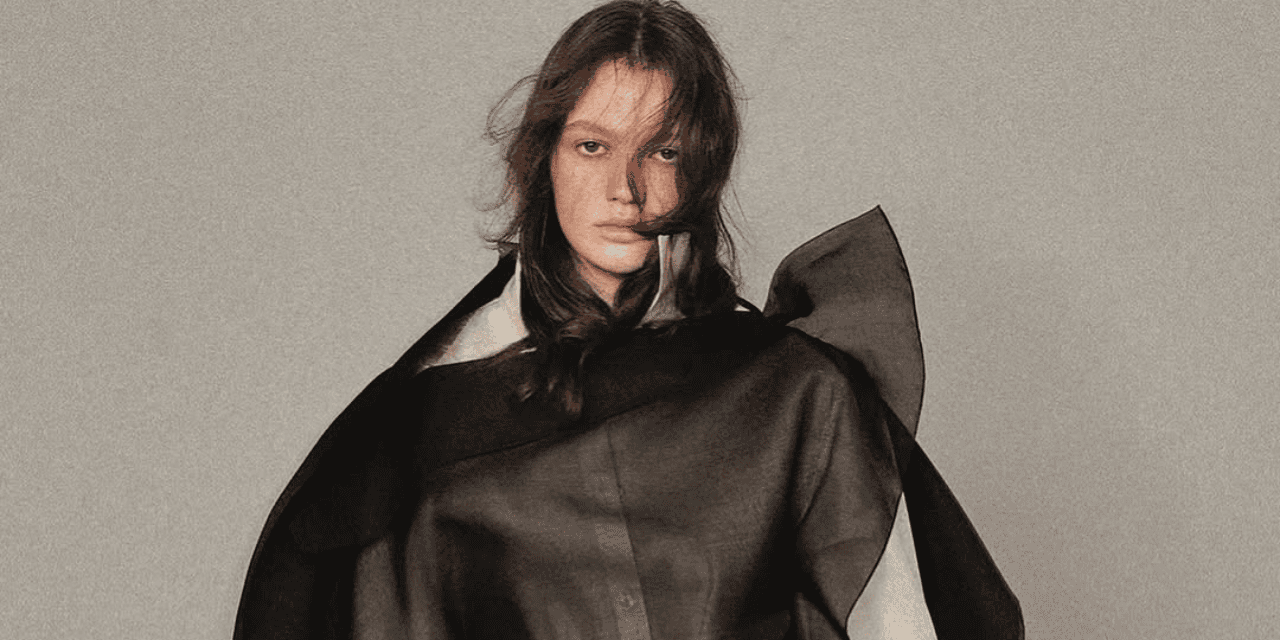
The fashion landscape in 2026 is moving beyond the dominance of established luxury houses and globally recognisable logos. A growing group of independent and contemporary labels is attracting attention through distinctive design, craftsmanship, responsible production and a strong focus on timeless wardrobes.
Rather than relying solely on mass visibility and short-lived trends, these emerging and niche brands are building loyal audiences with considered collections designed around longevity, versatility and individuality.
From Copenhagen and Stockholm to Dubai, Australia, Japan and the Middle East, these labels represent a broader shift towards fashion that feels personal, refined and less driven by conventional hype.
Abadia
Abadia draws inspiration from cultural heritage and craftsmanship, combining contemporary design with an emphasis on preserving artisanal traditions. Its approach centres on carefully selected materials, detailed construction and pieces intended to remain relevant beyond a single season.
Lié Studio
Founded in Copenhagen by twins Amalie and Cecilie Moosgaard, Lié Studio initially established itself through jewellery before expanding into categories including leather accessories and eyewear. Its aesthetic focuses on understated design, versatility and pieces intended to integrate easily into everyday wardrobes.
Tove
Danish label Tove has developed a signature language built around clean lines, feminine silhouettes and understated sophistication. Its collections explore contemporary wardrobe essentials while incorporating recycled materials and more responsible production approaches.
Posse
Australian label Posse has gained recognition for its relaxed linen separates, minimalist dresses and holiday-focused wardrobe pieces. Its limited-production approach has helped create a sense of exclusivity around its collections, particularly among consumers seeking effortless warm-weather dressing.
Auralee
Japanese label Auralee is known for its restrained aesthetic and strong emphasis on textile quality. The brand pays close attention to texture, fabric weight and colour, working with skilled manufacturers and craftsmen to create understated garments with a distinctive character.
Lemaire
Lemaire continues to demonstrate how everyday clothing can combine functionality with refined design. Its collections feature fluid silhouettes, distinctive materials and subtle construction details, creating adaptable garments designed to move naturally with the wearer.
Almada
Scandinavian label Almada focuses on refined wardrobe staples and contemporary femininity. Its offering spans knitwear, leather, shearling and silk, with an emphasis on versatility and enduring silhouettes suited to a modern capsule wardrobe.
Esse Studios
Australian label Esse Studios, founded by Charlotte Hicks, approaches ready-to-wear through a sustainability-led model. Its collections are designed around mindful consumption and longevity, with coordinated pieces intended to remain useful across multiple seasons.
Hala
Founded by Iraqi designer Hala Al Shammari, Hala explores fashion as a form of personal expression and liberation. The label takes a non-seasonal approach, using minimalist silhouettes and sensual yet relaxed designs to challenge conventional ideas surrounding femininity.
Arakii
Stockholm-based Arakii combines exaggerated proportions with minimalist wardrobe essentials. The atelier develops its designs in-house, balancing sculptural silhouettes and distinctive detailing with pieces intended for everyday wear.
Jude
Footwear label Jude has quickly attracted international attention with its sleek, contemporary designs. The brand combines modern proportions with distinctive details and premium Italian and French leathers, creating footwear positioned between minimalist sophistication and statement design.
Maison Maestoso
Maison Maestoso brings together influences from fashion, architecture and modern art. Its accessories and handbags use Italian leather and recycled precious materials, while its sustainability initiative linking purchases with tree planting adds an environmental dimension to its luxury proposition.
Gia Studios
Vietnamese label Gia Studios explores the relationship between traditional design and contemporary luxury. Its collections emphasise refined tailoring, natural materials and subtle detailing, while maintaining a strong connection to cultural identity and craftsmanship.
Ilái Sarái
Dubai-based Ilái Sarái, launched in 2025 by Saina Babaee and Shahryar Sheibani, is emerging as a contemporary ready-to-wear and jewellery label. Its designs are intended for the pace of modern city life, offering pieces that can transition between casual, professional and evening settings.
A Broader Shift in Contemporary Fashion
The rise of these niche labels reflects changing consumer attitudes towards fashion. Instead of relying exclusively on logos, seasonal trends or widespread availability, a growing segment of consumers is seeking individuality, quality and a stronger connection with the story behind a product.
Quiet luxury, responsible materials, artisanal craftsmanship and versatile wardrobes are influencing the direction of contemporary fashion, while independent labels are increasingly able to reach global audiences through digital platforms and social media.
For fashion retailers and buyers, these emerging names also signal opportunities beyond traditional luxury portfolios. As consumers become more selective about what they purchase and how long they expect products to remain relevant, brands offering distinctive design, quality and a clear identity could continue to gain momentum.
The growing visibility of labels such as Abadia, Lié Studio, Tove, Posse, Auralee, Lemaire, Almada, Esse Studios, Hala, Arakii, Jude, Maison Maestoso, Gia Studios and Ilái Sarái highlights a fashion market where being recognisable is no longer the only measure of influence. For many style-conscious consumers, discovering the next important label before it becomes mainstream is becoming part of the appeal.