Rising demand for eco-friendly and biodegradable fabrics drives growth in lotus fiber textiles
The global sustainable lotus fiber textile market was valued at USD 184.2 million in 2024 and is projected to reach USD 541.7 million by 2033, growing at a CAGR of 13.9% from 2025 to 2033, according to the latest research by Growth Market Reports.
The report highlights increasing consumer awareness around sustainable materials, rising demand for biodegradable textiles and the adoption of ethical manufacturing practices as key growth drivers for the market.
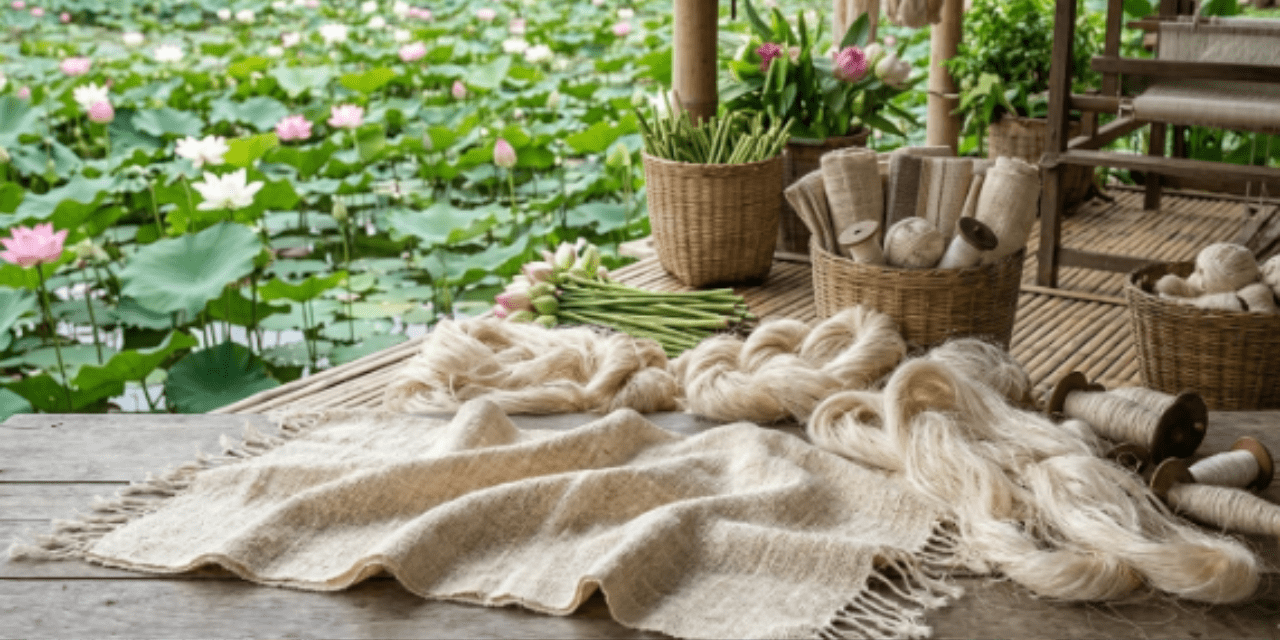
Lotus fiber, extracted from lotus plant stems, is considered one of the rare natural fibers used in sustainable textile production. Traditionally associated with Southeast Asian textile craftsmanship, the material is gaining attention among luxury and sustainable fashion brands.
According to the report, growing concerns regarding the environmental impact of synthetic fibers such as polyester and nylon are encouraging demand for natural textile alternatives. Lotus fiber requires minimal chemical processing and largely relies on manual extraction techniques, contributing to lower industrial pollution and reduced carbon emissions.
The study noted that sustainability-focused fashion brands are increasingly incorporating materials such as lotus fiber, hemp, bamboo and organic cotton into product collections as demand for environmentally responsible textiles grows globally.
Despite increasing interest, the market continues to face production and scalability challenges. The fiber extraction process is labour-intensive, requires skilled craftsmanship and depends on large quantities of lotus stems to produce limited amounts of fiber, resulting in higher production costs.
Limited lotus cultivation areas also affect raw material availability, restricting large-scale production capacity. The report stated that improvements in cultivation practices and fiber extraction technologies will be important for future market expansion.
The report further noted that rising global demand for sustainable fashion presents opportunities for brands using lotus fiber textiles. The rarity and natural characteristics of lotus fiber fabrics are also contributing to premium product positioning and branding opportunities.
Companies mentioned in the competitive landscape include Samatoa Lotus Textiles, Looms of Burma, Lotus Silk, Aurea Lotus, Khmer Artisanry, Siam Lotus Textile, Ohnmar Lotus Weaving, Green Nettle Textile, EcoTextile Lotus, Myanmar Lotus Weaving and Lotus Paradise.
The report stated that future investments in sustainable farming methods and fiber extraction technologies could help reduce costs and support wider adoption of lotus fiber textiles across fashion, home textiles and specialty fabric applications.