Sustainability-focused programmes highlight environmental conservation, circular economy and responsible resource management
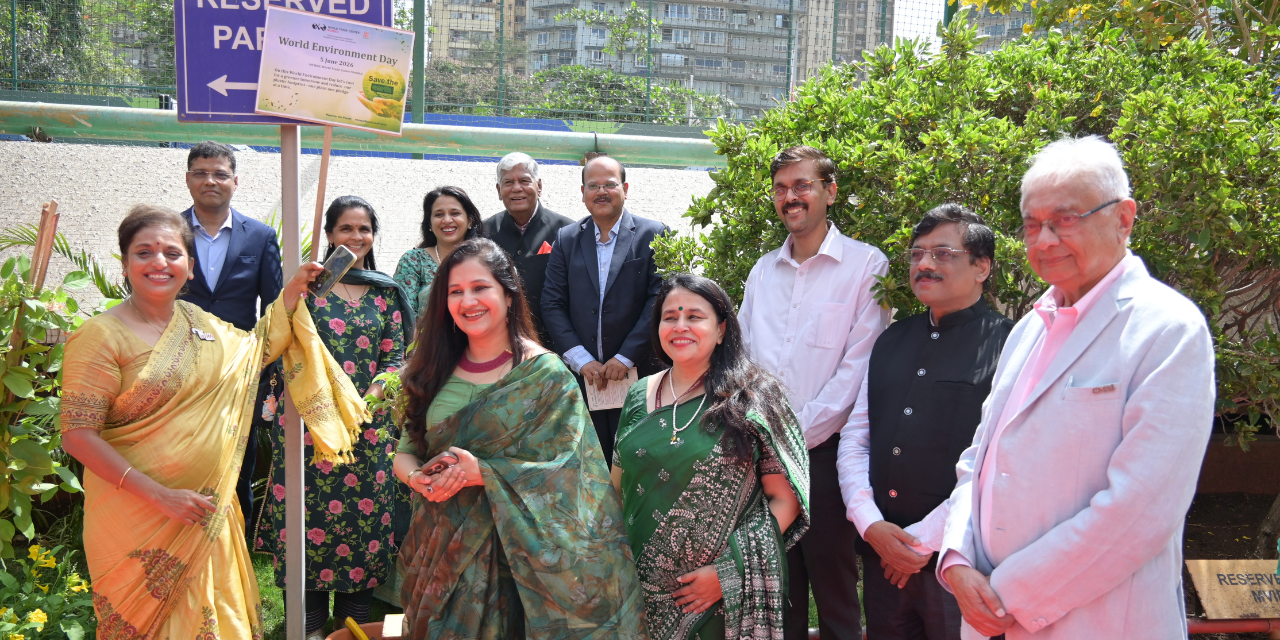
MVIRDC World Trade Center Mumbai marked World Environment Day by organizing a Tree Plantation Drive and hosting the launch of Mumbai’s Mega Post-Consumer Textile Waste Collection and Upcycling Initiative. The programmes highlighted the importance of environmental stewardship, circular economy practices and collaborative action towards sustainability.
The Tree Plantation Drive was conducted as part of efforts to promote a greener and more sustainable environment. The programme was attended by Ms. Vrunda Desai, Textile Commissioner, Government of Maharashtra; Smt. Roop Rashi, Chief Executive Officer, Khadi and Village Industries Commission (KVIC), Ministry of MSME, Government of India; Dr. Vijay Kalantri, Chairman, World Trade Center Mumbai and President, All India Association of Industries (AIAI); Dr. Megha Phansalkar, Founder, Tisser; Ms. Sangeeta Jain, Senior Director, All India Association of Industries; Ms. Priya Pansare, Director, Trade Promotion & Investment, World Trade Center Mumbai; and Mr. Santosh Kotre, Director, Finance and Accounts, World Trade Center Mumbai.
The event also served as the venue for the launch of Mumbai’s Mega Post-Consumer Textile Waste Collection and Upcycling Initiative. The ‘Mega Used Clothes Upcyclon’ was introduced through a collaboration between the Clothing Manufacturers Association of India (CMAI), United Nations Industrial Development Organization (UNIDO), ReFiber, Oterri, Tisser, World Trade Center Mumbai and Lions International.
The initiative aims to promote circularity in the textile sector by encouraging collaboration among industry stakeholders, government agencies, sustainability experts and civil society organizations to address textile waste management challenges.
The programme featured a special video message from Shri Sanjay Savkare, Hon’ble Minister of Textiles, Government of Maharashtra, who emphasized the importance of collaborative efforts in addressing environmental challenges while supporting sustainable livelihood creation.
Speaking at the event, Ms. Vrunda Desai, Textile Commissioner, Government of Maharashtra, said, “India generates nearly 70 lakh tonnes of textile waste annually, with more than 70 percent being recovered and recycled. We need to create a model where ecological, social and economic benefits are achieved together through responsible waste management, innovation and value creation.”
Mr. Santosh Kataria, Chairman, Sustainability Committee, Clothing Manufacturers Association of India (CMAI), highlighted the need for transitioning towards circular economic models and noted that the impact of such initiatives should also be measured through livelihood creation and community empowerment.
Dr. Vijay Kalantri, Chairman, World Trade Center Mumbai and President, All India Association of Industries, pointed out that approximately 92 million tonnes of textile waste are generated globally each year and stressed the need to transform waste into value through innovation, recycling technologies and multi-stakeholder collaboration.
Dr. Pankaj Kumar, National Project Coordinator, UNIDO, spoke about the growing importance of circular economy principles in economic development strategies, highlighting the role of green jobs, renewable energy, responsible production and inclusive growth.
Mr. Manoj Wanvari, COO, ReFiber and OterRi, described the initiative as a step towards a circular future and emphasized the importance of resource efficiency and responsible consumption in the textile industry.
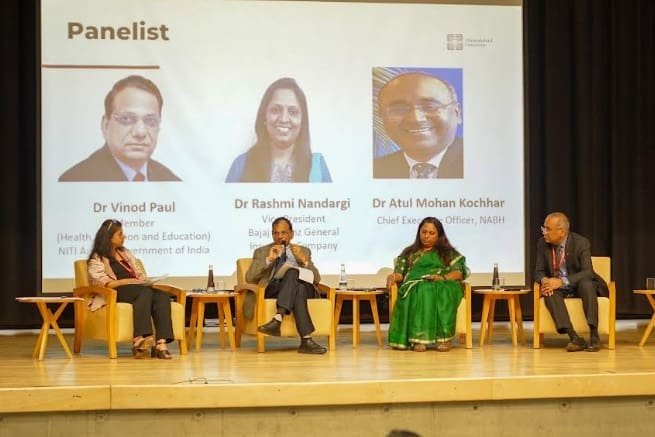
The event also featured panel discussions focusing on textile recycling, upcycling, circular fibres, MSME-led sustainability models, traceability and consumer awareness. Participants explored strategies to integrate waste into value chains, encourage product reuse and repair, improve recyclability and leverage emerging technologies to reduce waste generation.
The programme concluded with a call for greater collaboration among government, industry and communities to accelerate India’s transition towards a circular textile economy. Through these initiatives, WTC Mumbai reaffirmed its commitment to sustainability, environmental responsibility and the promotion of green livelihoods.