Report highlights opportunities in collection, sorting and recycling to strengthen India’s circular textile economy.
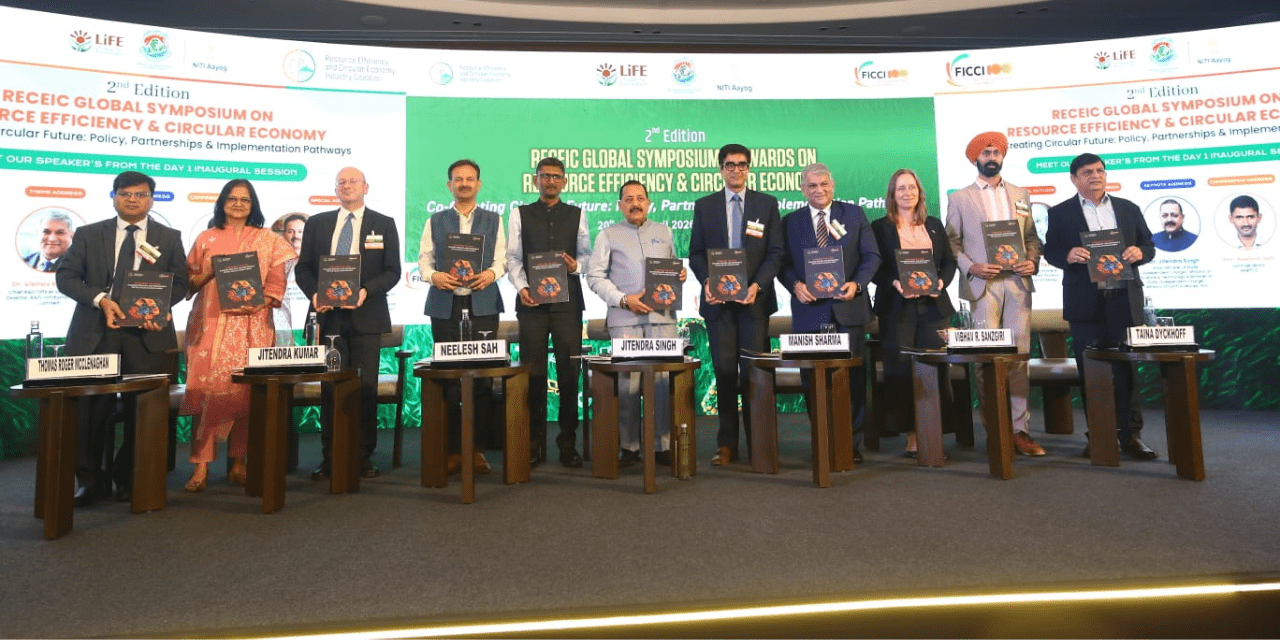
India has the potential to unlock nearly $9.4 billion (approximately ₹78,500 crore) annually from textile waste by strengthening its collection, sorting and recycling ecosystem, according to a joint report released by the Federation of Indian Chambers of Commerce and Industry (FICCI) and the Resource Efficiency and Circular Economy Industry Coalition (RECEIC).
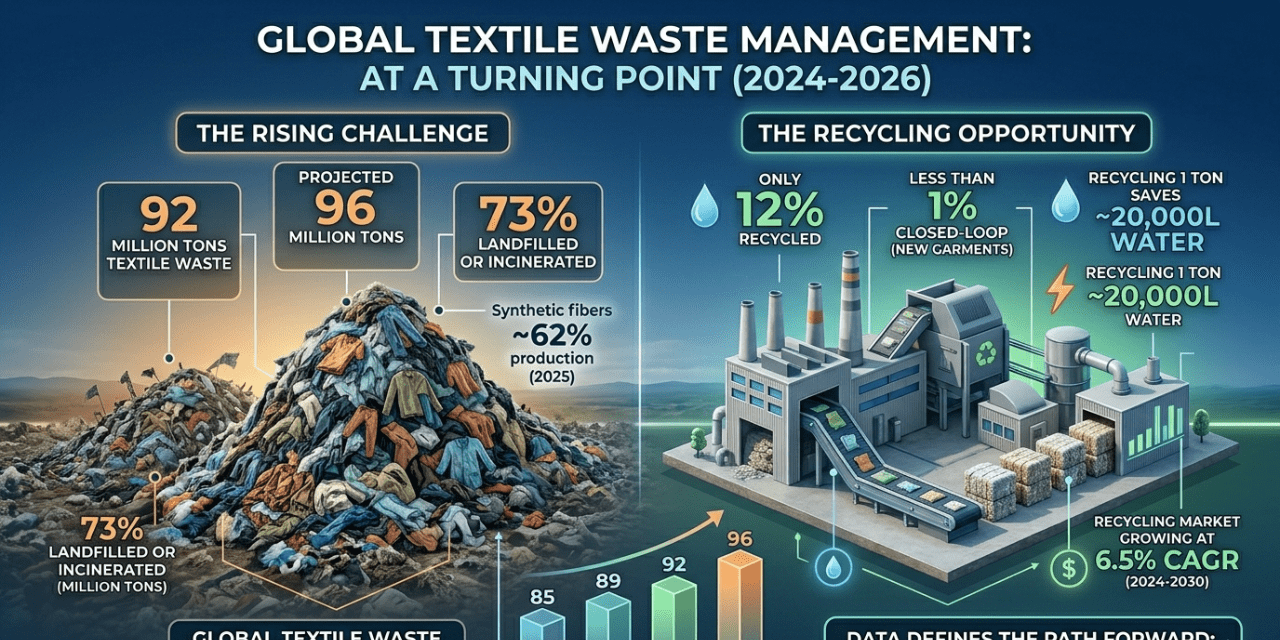
The report estimates that India generates around 7.25 million tonnes of textile waste every year, but a substantial portion remains underutilised due to fragmented collection systems, inadequate sorting infrastructure and limited recycling capacity.
Large economic opportunity remains untapped
According to the report, nearly $9.4 billion (₹78,500 crore) worth of value is currently unrealised because of inefficiencies across the textile waste value chain. It also notes that around 85% of this potential value lies in reuse pathways, which remain largely underdeveloped.
The study further reveals that nearly 45% of post-consumer textile waste fails to enter formal recovery channels and is instead sent to landfills or incinerated.
Sorting identified as the biggest bottleneck
The report identifies sorting as the “value gate” of the textile waste ecosystem, but points out that more than 95% of textile sorting in India is still carried out manually.
Limited adoption of technology and the absence of a standardised grading framework continue to restrict efficient recovery and recycling of textile materials.
Policy and infrastructure gaps remain
The report highlights several challenges slowing the growth of India’s circular textile economy, including:
- Absence of a dedicated Extended Producer Responsibility (EPR) framework for textiles
- Weak source segregation practices
- Limited traceability mechanisms
- Fragmented collection infrastructure
It also notes that India’s recycling industry is largely dependent on mechanical recycling, while chemical recycling capacity remains limited, restricting the recycling of blended fabrics.
Key recommendations
To improve textile circularity and recover greater value from textile waste, the FICCI–RECEIC report recommends:
- Establishing a national Extended Producer Responsibility (EPR) framework for textiles
- Investing in collection and sorting infrastructure
- Introducing standardised grading and traceability systems
- Integrating informal sector workers into the formal value chain
- Expanding recycling capacity, including advanced recycling technologies
The report concludes that circular materials can improve supply chain resilience while reducing dependence on virgin resources. However, achieving these outcomes will require coordinated efforts across government, industry and infrastructure development.