Heating Bags Market to Reach US$362.1 Million by 2033, Driven by Home Wellness Demand
The global Heating Bags Market is projected to grow steadily over the coming years, supported by increasing demand for portable, reusable and energy-efficient heating solutions used for pain relief, home healthcare, outdoor activities and personal wellness.
According to Persistence Market Research, the market is expected to be valued at US$271.5 million in 2026 and reach US$362.1 million by 2033, registering a CAGR of 4.2% during the forecast period.
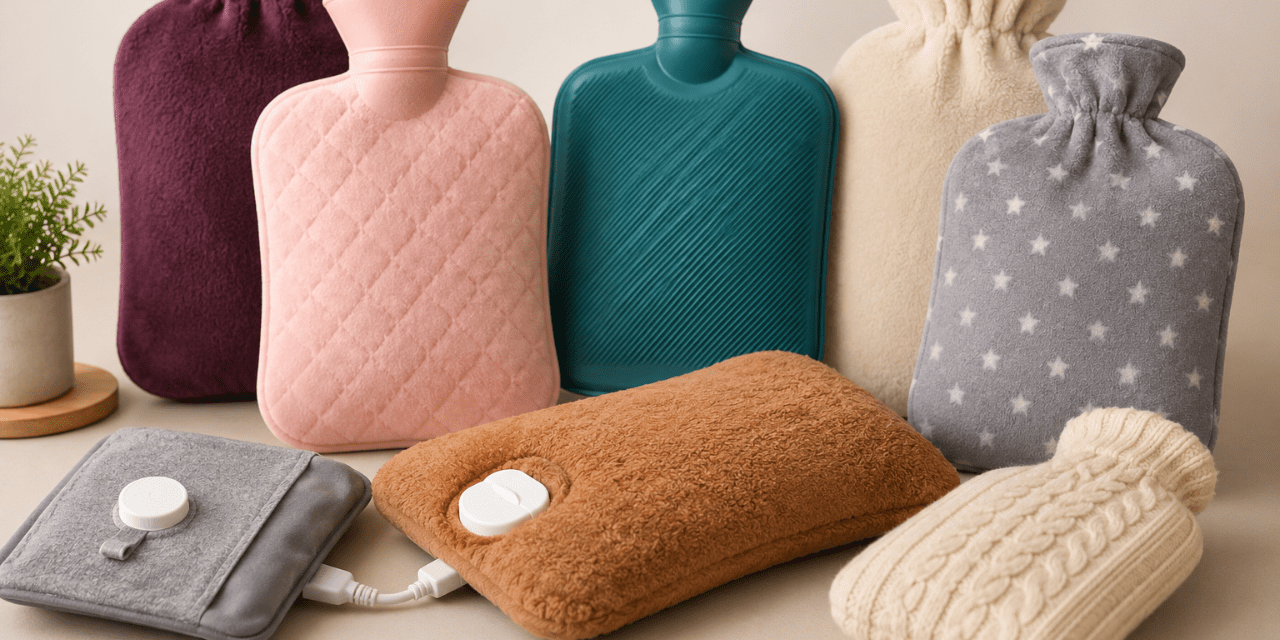
Heating bags have evolved beyond traditional hot water bags to include gel-based, microwave-compatible and electric heating products with ergonomic designs. Growing awareness of non-invasive pain management and the rising adoption of home healthcare products continue to support market growth.
Demand is increasing as consumers seek drug-free solutions for conditions such as muscle pain, arthritis, sports injuries, menstrual discomfort and chronic back pain. Heat therapy is widely used to improve blood circulation, relax muscles and reduce stiffness, making heating bags a common household wellness product. An ageing population is also contributing to higher demand due to the increasing prevalence of joint and mobility-related conditions.
Manufacturers are introducing new products featuring improved heat retention, adjustable temperature controls, leak-proof construction, skin-friendly materials and lightweight designs. Microwave heating bags containing natural grains, herbal ingredients and reusable gel packs have gained popularity alongside electric heating bags that provide consistent warmth.
The expansion of home-based healthcare continues to create opportunities for the market, with healthcare professionals recommending heat therapy for rehabilitation, muscle stiffness and post-exercise recovery. Reusable heating bags are increasingly being used as part of physiotherapy and home treatment programmes.
Growing consumer interest in wellness and self-care is also supporting product adoption. Heating bags are widely used for relaxation, stress relief and improving comfort after long working hours or physical activity. Digital health platforms and wellness-focused social media content are further increasing awareness of heat therapy products.
Hospitals, physiotherapy centres, rehabilitation clinics and sports medicine facilities remain key end users, with demand supported by the growing number of rehabilitation services and musculoskeletal treatment programmes.
Sustainability trends are encouraging consumers to choose reusable healthcare products over disposable alternatives. Manufacturers are responding with eco-friendly materials, recyclable packaging and longer-lasting designs, while natural fillings and biodegradable fabrics are becoming important product differentiators.
E-commerce continues to improve market accessibility by allowing consumers to compare products, features and prices through online platforms. Direct-to-consumer sales channels and digital marketing initiatives are helping manufacturers expand their customer base worldwide.
Regionally, North America remains a major market due to high awareness of home healthcare and wellness products. Europe continues to benefit from an ageing population and expanding physiotherapy services, while Asia Pacific is expected to witness healthy growth driven by improving healthcare infrastructure, rising disposable incomes and increasing awareness of personal wellness. Latin America and the Middle East & Africa are also emerging as growth markets as healthcare accessibility expands.
Market participants continue to focus on product innovation, safety improvements, sustainable manufacturing and expanded distribution networks while strengthening partnerships with healthcare providers, pharmacies, wellness retailers and online marketplaces.