
India Strengthens Circular Economy Across Textile Sector
India is accelerating the adoption of circular economy practices across its textile and apparel industry as part of a broader strategy to improve resource efficiency, reduce waste and enhance the sector’s global competitiveness.
According to a recent Press Information Bureau (PIB) backgrounder, the government is integrating circular production models into textile manufacturing, recycling and market regulation to support sustainable growth. The textile sector contributes approximately 2% of India’s GDP, accounts for around 11% of manufacturing gross value added, and provides direct employment to more than 45 million people.
The initiative aligns with wider industrial modernisation efforts focused on digital infrastructure, quality manufacturing and sustainable production. The Ministry of Textiles said circular practices are increasingly being adopted to strengthen recycling, material recovery and supply chain traceability across the textile value chain.
Textile Recycling Networks Support Circular Manufacturing
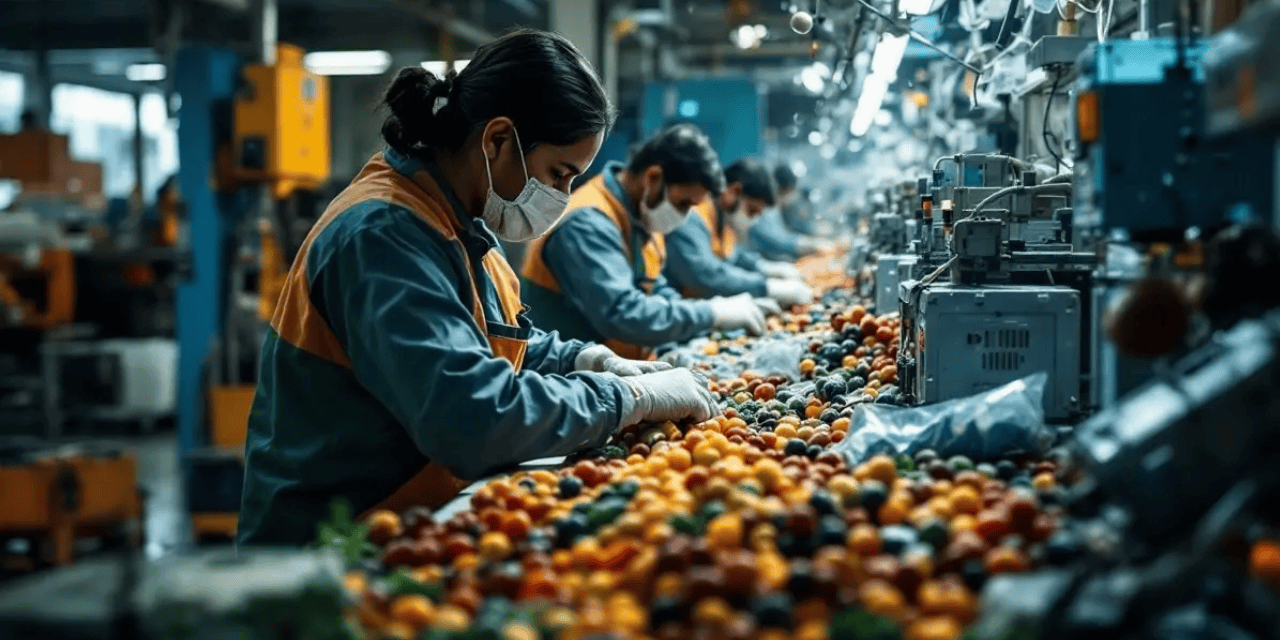
India currently generates an estimated 7.8 million tonnes of textile waste annually, with more than 70% being recovered through reuse, recycling or upcycling. The government noted that approximately 95% of pre-consumer textile waste generated by factories is already collected and reprocessed through established recycling networks.
Several regional initiatives demonstrate the growing adoption of circular practices. In Navi Mumbai, a municipal textile recovery facility combines textile collection, sorting, upcycling and livelihood generation. The centre has processed more than 41,000 textile items, created over 400 upcycled product samples, and supported women artisans through exhibitions and market access programmes.
Meanwhile, Panipat in Haryana continues to serve as one of India’s largest textile recycling hubs, processing an estimated 3,500–5,250 tonnes of textile waste every day. Informal recycling networks in Delhi’s Mangolpuri area also contribute by sorting textile waste according to colour before supplying materials to recycling facilities.
Sustainable Fibres and Cleaner Production
The government is promoting greater use of sustainable raw materials and environmentally responsible manufacturing practices.
The National Programme for Organic Production supports certified organic cotton and other organic fibre products, while the Jute-ICARE programme encourages improved cultivation methods and better-quality jute production across multiple states.
Under the New Age Fibre Mission, authorities are also promoting alternative natural fibres including ramie, sisal and flax, with the objective of reducing dependence on synthetic materials while encouraging climate-friendly agriculture.
To improve environmental performance, India has prohibited the use of benzidine-based dyes and restricted numerous azo dyes used in textile processing. Pilot programmes covering around 400 factories aim to reduce hazardous chemical consumption by approximately 10,530 tonnes while lowering emissions by 147,000 tonnes of CO₂ equivalent.
PM MITRA Parks and MSME Support
The PM MITRA initiative is creating integrated textile manufacturing parks equipped with common infrastructure, wastewater treatment facilities and recycling systems. Seven parks have been approved across states including Tamil Nadu, Telangana and Gujarat, with an approved investment of ₹4,445 crore through 2027–28.
Recognising the importance of micro, small and medium enterprises (MSMEs), the government has introduced support measures under the Raising and Accelerating MSME Performance (RAMP) programme. These include capital subsidies, interest support and incentives for adopting cleaner production technologies, energy-efficient equipment and circular manufacturing systems.
The textile sector has also been incorporated into India’s carbon market framework, requiring eligible companies to report Scope 1 and Scope 2 greenhouse gas emissions. Organisations that exceed emission reduction targets may receive tradable carbon credit certificates under the Carbon Credit Trading Scheme.
Strengthening Export Competitiveness Through Standards
India is also expanding sustainability standards and traceability systems to strengthen confidence among international buyers.
The Eco-Mark certification scheme now covers textile products, assessing environmental performance based on resource efficiency, emissions, biodiversity protection and the use of hazardous substances.
In addition, traceability initiatives for cotton and silk products are being expanded to improve supply chain transparency, while recycled textile products are being promoted through public procurement initiatives involving the Textile Committee and the Government e-Marketplace (GeM) platform.
According to government estimates, India’s textile recycling market could grow to approximately US$3.5 billion by 2030, while creating around 100,000 green jobs over the next five years, supporting the country’s transition towards a more sustainable and competitive textile industry.