
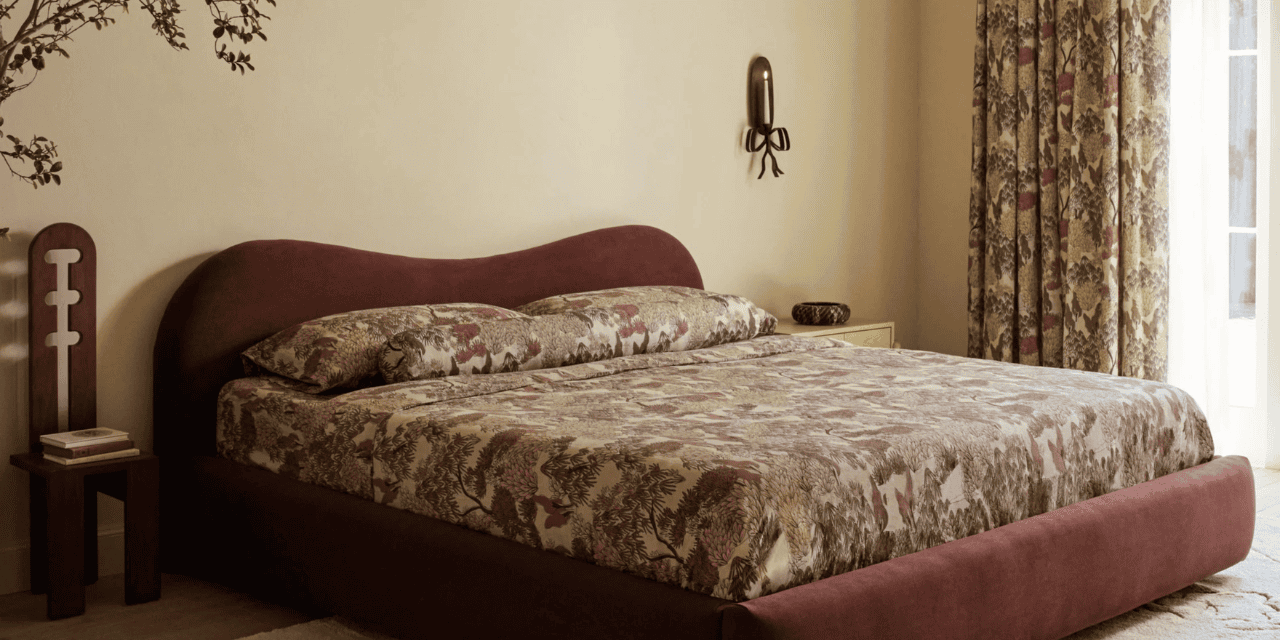
A centuries-old decorative tradition is finding a fresh place in contemporary bedrooms as tapestry-inspired bedding emerges as one of the season’s notable luxury home décor trends.
The tapestry aesthetic, long associated with elaborate wall hangings and historic European interiors, is moving beyond traditional décor and onto bedsheets, duvet covers and other bedroom textiles. The latest interpretation combines pastoral imagery, botanical motifs and woodland scenes with modern colour palettes and softer, more contemporary styling.
The trend builds on the renewed interest in verdure-inspired tapestry designs, particularly motifs depicting forests, foliage, animals and romantic landscapes. While traditional tapestries were designed as decorative wall pieces, today’s bedding collections are translating the same visual language into functional home textiles.
From Wall Décor to Bedding
The shift reflects a wider movement toward expressive bedroom interiors, where bedding is becoming an important design statement rather than simply a neutral foundation.
Floral and botanical prints are central to the trend, with designs ranging from delicate garden compositions to richly detailed woodland scenes. Some collections use muted blush, beige and earthy shades, while others introduce stronger tones such as cobalt blue and deep greens.
The result is a style that can give bedrooms a layered, artistic appearance without requiring a large decorative tapestry on the wall.
Historic Inspiration Meets Contemporary Design
Tapestry has a long design history, with elaborate European examples dating back centuries. Verdure tapestries, in particular, became known for their detailed representations of landscapes, trees and natural environments.
Modern bedding designers are reinterpreting these references through digitally printed fabrics and contemporary colour combinations. This makes the look more accessible for consumers seeking statement home textiles while retaining the visual richness associated with traditional tapestry.
The approach also fits into the broader movement toward maximalist and heritage-inspired interiors, as homeowners increasingly combine historical references with modern furniture and understated accessories.
Major Home Brands Embrace the Look
Recent collections demonstrate how widely the aesthetic is being interpreted across the home textile market.
Anthropologie has introduced pastoral-inspired bedding featuring botanical and decorative motifs, while Lulu and Georgia has presented Sarah Sherman Samuel’s Garden Walk print in tonal colour options including cobalt and blush.
Pottery Barn’s Fantastical Forest collection takes the concept toward a more whimsical seasonal direction, incorporating woodland imagery, peacocks and foxes among richly coloured trees.
These interpretations show that tapestry-inspired bedding does not have to follow one particular design language. It can range from refined botanical prints to dramatic, illustrated landscapes.
A Strong Opportunity for Home Textile Design
For the home textile industry, the trend highlights growing consumer interest in bedding that combines functionality with visual storytelling.
Instead of relying exclusively on plain or minimal designs, brands can use bedding as a canvas for historical references, nature-inspired imagery and artistic prints. The trend also creates opportunities for manufacturers to explore premium cottons, sateen finishes, linen blends and digitally printed fabrics.
As consumers increasingly look for bedrooms with personality, tapestry-inspired bedding could offer a distinctive alternative to conventional floral, geometric and solid-colour collections.
The revival also demonstrates how historical design influences can be adapted for contemporary lifestyles. What once belonged primarily on the wall is now becoming part of the sleeping environment, giving an old decorative tradition a distinctly modern role in home fashion.