Every generation has its own approach to home decor. From classic furniture to bold colours, design choices often reflect the times.
Home decor often reflects our memories, culture and lifestyle. The way we decorate can also show the trends we grew up with.
Each generation has its own design influences. Baby Boomers, Gen X, Millennials and Gen Z all have different approaches to interiors.
Interior designers Melissa Oholendt, Kerry Vasquez and Amy Vroom shared their views on these changing styles.
Baby Boomers: Classic and Traditional Decor
Baby Boomers were born between 1946 and 1964. Their home style often focuses on classic furniture and traditional details.
Matching furniture sets were common in many homes. Bedroom sets often used dark wood, heavy hardware and detailed finishes.
These furniture pieces were built to last. They also offered plenty of space for decorative items.
Knickknacks and traditional artwork were popular choices. Large furniture sets were also common in department store showrooms.
Shabby Chic Was Also Popular
Shabby chic became another popular look among Baby Boomers. The style used distressed wood and farmhouse-inspired details.
The result was relaxed but still elegant. This look became especially popular during the 1990s.
Gen X: Bold, Dark and Eclectic
Generation X was born between 1965 and 1980. Its design style often has strong links to the 1970s.
Lava lamps and shag rugs are classic examples. Vinyl records also became popular decorative pieces.
Gen X also embraced industrial interiors. Raw steel, dark colours and simple finishes became key elements.
Mixing Styles Was Important
Gen X homeowners often avoided matching everything. They preferred to mix different furniture and decorative pieces.
This created a more personal look. The result could feel bold, relaxed and unconventional.
Millennials: Simple and Comfortable
Millennials were born between 1981 and 1996. They were the last generation to grow up before smartphones became common.
Their design choices often focus on comfort and simplicity. Sustainable living also became more important for this generation.
The idea of “less is more” influenced many Millennial homes. Clean spaces and useful furniture became popular choices.
Millennial Pink Became a Design Icon
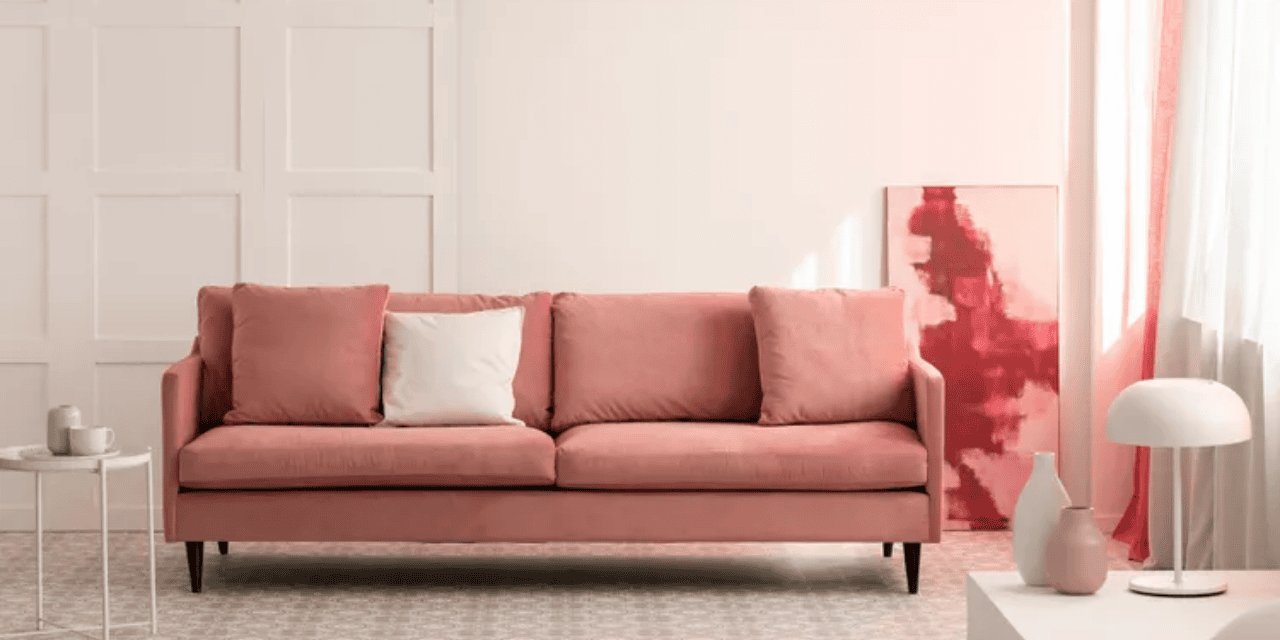
One colour remains closely linked with Millennials: pink.
The soft shade became known as “Millennial pink.” It appeared in furniture, walls, accessories and lifestyle products.
The colour also became popular during the rise of social media. It was closely linked with the lifestyle trends of the 2010s.
Casual Elegance
Millennial interiors can be hard to define. The internet brought many new design ideas to this generation.
One popular look was casual elegance. Coastal California style became a strong influence.
These interiors combined comfort with a polished appearance. Soft colours and relaxed furniture helped create the look.
Gen Z: Colourful and Personal
Generation Z includes people born from 1997 through the early 2010s. Their interior style is still evolving.
Many Gen Z homeowners want spaces that feel different. They often move away from styles linked to older generations.
Bright colours are one part of this trend. Neon shades and candy colours can create a playful look.
Bubble-shaped furniture is another popular choice. Its rounded form gives rooms a fun and youthful feel.
Vintage and Thrifted Pieces
Sustainability also plays an important role in Gen Z design.
Vintage and thrifted furniture can give a room more character. These pieces can also help reduce the need for new products.
Gen Z often mixes old and new items. This creates interiors that feel personal and less predictable.
Moody Academia
Gen Z design can also take a darker direction. Moody academia is one example.
This style uses dark walls, books and warm lighting. It creates a quiet and comfortable atmosphere.
Many young homeowners also prefer lamps to bright overhead lights. The goal is often a softer and more relaxing room.
Design Trends Cross Generations
Generational design trends are useful, but they are not strict rules.
People often combine ideas from different periods. A Gen Z homeowner may love vintage furniture, while a Millennial may prefer bold colours.
Older styles can also return in new ways. Victorian patterns, Bauhaus colours and vintage furniture continue to influence modern homes.
Nostalgia is another strong force in interior design. Familiar colours, furniture and patterns can bring back memories.
Personal Style Matters Most
Home design continues to change with every generation. New trends often take inspiration from older styles.
Baby Boomers may prefer classic furniture. Gen X often leans towards eclectic and industrial looks.
Millennials helped popularise simple and sustainable interiors. Gen Z is bringing more colour, vintage pieces and personal expression.
However, there is no single style for any generation. The best home decor is the style that feels right for the people living there.