
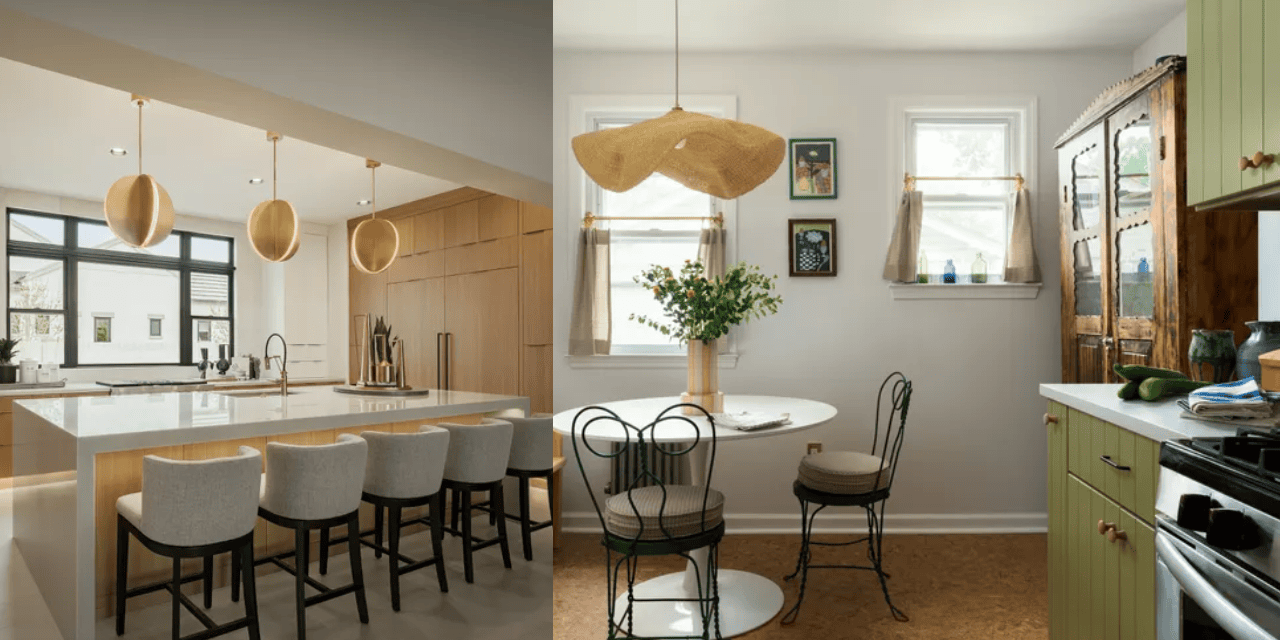
Two-toned kitchens continue to gain popularity as homeowners look for ways to add character, depth, and flexibility to their spaces. The design approach combines two cabinet colors, finishes, or materials to create visual contrast without making the kitchen feel disconnected.
Interior designers say the trend remains versatile enough to work across a wide range of kitchen styles. It can also help define different areas, highlight architectural features, and create the impression of a more spacious room.
What Is a Two-Toned Kitchen?
A two-toned kitchen typically uses two different colors or finishes for its cabinetry. A common approach is to use one shade on the island and another across the perimeter cabinets.
According to interior designer Laura Williams of ATX Interior Design, the approach can introduce warmth or an additional color into the kitchen. It also gives homeowners more freedom when choosing between painted cabinetry, exposed wood, or contrasting materials.
For homeowners who cannot decide between a neutral kitchen and a bold color scheme, two-toned cabinetry offers a practical middle ground.
The concept can also suit traditional, contemporary, transitional, and modern kitchen interiors.
How to Create a Balanced Two-Toned Kitchen
There are few strict rules when designing a two-toned kitchen. However, choosing colors that work well together is important.
Williams recommends using a neutral shade as one of the two colors. This can help prevent the overall palette from becoming too overwhelming.
For homeowners who prefer richer colors, earthy shades can create a warm and balanced look. Greens, terracotta tones, and browns can bring depth while maintaining a connection with natural materials.
Another simple approach is to stay within the same color family. A lighter shade on upper cabinets can be paired with a darker tone on lower cabinets.
This arrangement can make the upper section feel lighter. The darker lower cabinets can then visually anchor the kitchen.
Use Color to Highlight Key Areas
Two-toned cabinetry can also help define specific areas within a kitchen.
A contrasting island can become a natural focal point. Similarly, a built-in nook or architectural feature can stand out through a different cabinet color.
Homeowners can also extend one cabinet color onto an adjacent wall. This can create a more connected appearance while allowing another cabinet shade to provide contrast.
The result is a kitchen that feels coordinated rather than overly matched.
Green Remains a Versatile Choice
Green continues to be a popular option for two-toned kitchen schemes. Its connection with nature makes it relatively easy to introduce into a neutral interior.
For light-colored kitchens, a soft green with gray undertones can work well on upper cabinets. A deeper earthy sage can then add contrast to lower cabinetry.
This combination provides color without creating an overly dramatic effect. It can also create a timeless appearance that works with wood, stone, and other natural finishes.
Refresh an Existing Kitchen With Two Colors
Two-toned design does not always require a complete kitchen renovation.
An existing kitchen can become a starting point for the trend. Homeowners with predominantly white surfaces can introduce a second cabinet color to create a fresh focal point.
The same approach can work when an existing kitchen has a color that feels too strong. Adding a complementary second shade may help balance the overall look.
This makes two-toned cabinetry a useful option for homeowners who want a visible design update without replacing every element.
A Flexible Approach to Modern Kitchens
The continued popularity of two-toned kitchens reflects a broader interest in personalized interiors. Homeowners are increasingly using color, materials, and finishes to create spaces that feel individual.
Two-toned cabinetry provides an easy way to experiment with color while maintaining structure. From soft neutrals and natural wood to earthy greens and deeper shades, the possibilities are broad.
With the right balance, two cabinet colors can add dimension, highlight important areas, and give a kitchen a more considered appearance.