
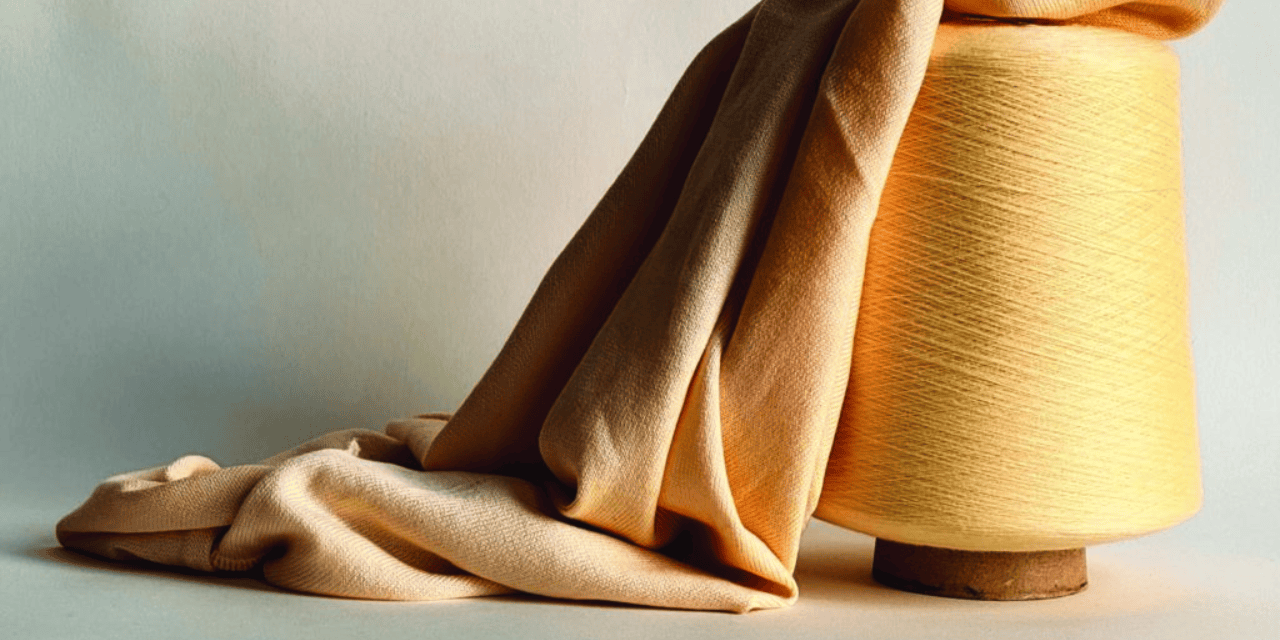
The textile industry is seeing strong interest in sustainable bio-based fabrics. Brands are looking for better material choices. Consumers also want products with less impact on the environment. This demand is helping new plant-based and animal-free materials enter the market. These materials are finding uses in fashion, footwear, interiors and automotive products.
BIOFUR Offers Animal-Free Fabrics
BIOFUR makes animal-free bio-based fabrics for different uses. Its range includes BIOSherpa®, MOUTON BIO™, BIO PLUSH and BIOBunny. The fabrics are 98% bio-based and contain no petrochemicals. They use polymers made from non-GMO corn. The materials are also designed for industrial composting. MOUTON BIO™ has a look similar to shearling. BIOSherpa® offers a soft sherpa-like feel. The fabrics can be used for fashion, children’s clothing and home furnishings.
Rheom Develops a Leather Alternative
Rheom Materials has developed Shorai™, a bio-based alternative to leather. The material uses fermented products, biomass and plant-based inputs. It contains between 78% and 91% bio-based content. Shorai™ is available in several textures and can be cut and sewn like traditional leather. This makes it easier for manufacturers to use their current production methods. Rheom is working with fashion and accessory brands. The company is also exploring footwear and automotive applications. A new version offers water and abrasion resistance.
Modern Meadow Introduces INNOVERA™
Modern Meadow has developed INNOVERA™, an animal-free leather alternative. The material contains more than 80% renewable carbon content. It uses plant-based proteins, biopolymers and recycled rubber. INNOVERA™ is designed to be light, strong and tear resistant. It is currently aimed at footwear and automotive products. The material could also be used in furniture, interiors and fashion accessories. Its roll-based production can offer better consistency than natural hides.
KD Knit Creates Plant-Based Cashmere
KD Knit has developed Vegetable Cashmere®, a plant-based alternative to traditional cashmere. The material combines soy protein fiber with lyocell and cotton. It is designed to offer the look and feel of cashmere. It also provides good strength and durability. The material is machine washable and moth resistant. Vegetable Cashmere® is available as yarn and knitted panels. This gives manufacturers more options for creating fabrics and finished products.
Uncaged Innovations Develops ELEVATE
Uncaged Innovations has created ELEVATE, an animal-free and petroleum-free leather alternative. The material uses a layered design. It combines plant-based fabric, grain-based proteins and a bio-based elastomer. Each layer has a specific role. The structure helps provide strength, water resistance and surface protection. ELEVATE is being used in fashion and accessories. The company also sees opportunities in automotive products, furniture and interiors.
The market for bio-based fabrics is changing.
Consumers want more information about the products they buy. Brands also face growing pressure to reduce their impact.
Performance is still important. So are cost, quality and ease of production.
New bio-based materials are addressing these needs.
Many of them can work with existing machines and supply chains. This can make adoption easier for manufacturers.
The trend also goes beyond simple fabric replacement.
Companies are now creating new materials for specific uses. These include leather alternatives, soft fabrics and plant-based fibers.
As research improves, bio-based fabrics could become more common across the textile industry.
For brands and fabric makers, these materials offer new ways to meet demand for more responsible products.