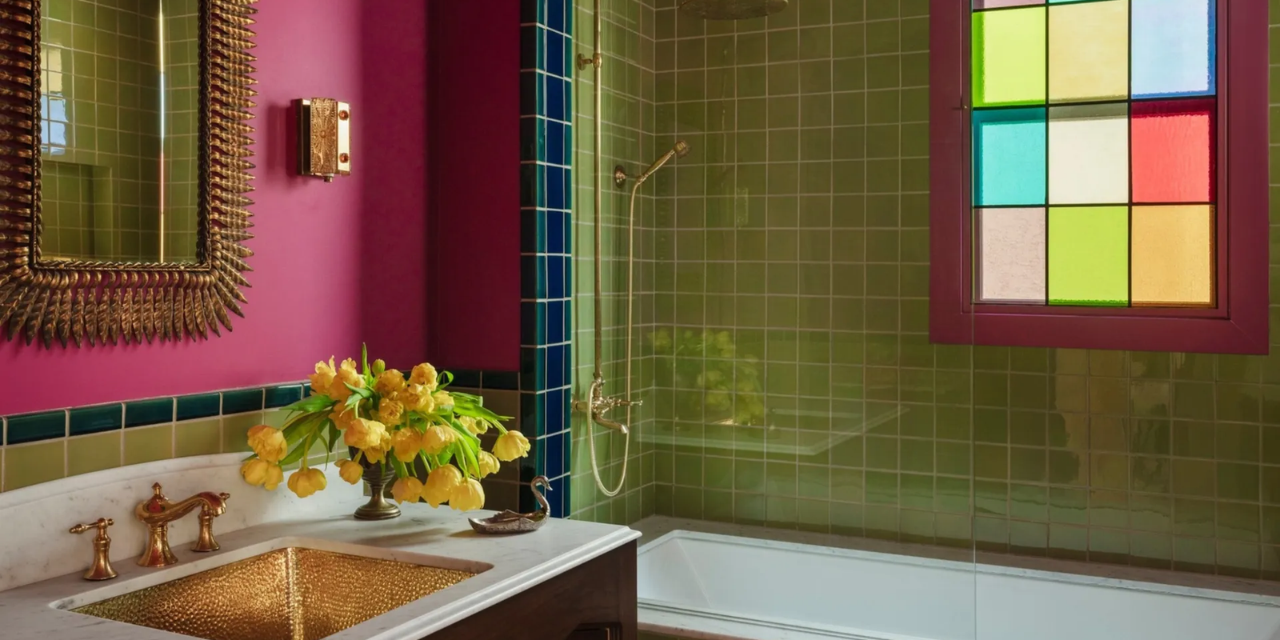
Interior design for 2027 is embracing bold colour contrasts, sculptural furniture, sharp shapes and unusual textures to create spaces that challenge conventional ideas of comfort.
Interior design is moving beyond the understated appeal of quiet luxury. For 2027, designers are exploring a more expressive approach known as “discomfort in design.” The trend introduces unexpected details that create visual tension while maintaining a sense of balance.
Rather than making rooms genuinely uncomfortable, this approach encourages individuality and experimentation. According to designers featured in Livingetc’s Style Pulse SS27 trend report, carefully chosen contrasts can make interiors more distinctive and engaging.
Acid Colours Bring Unexpected Contrast
One of the key elements of this trend is the use of vivid, acidic colours. Chartreuse, deep purple and other unexpected combinations are creating striking visual contrasts.
Interior designer Sophie Rowell, founder of Côte de Folk, explains that these combinations can still feel calming. In one bedroom project, chartreuse and deep purple create a rich, enveloping atmosphere rather than a chaotic effect.
The key is to balance colour intensity, proportions and surrounding finishes. As a result, even bold palettes can create spaces that feel cohesive and inviting.
Sharp Shapes Challenge Soft Curves
Another defining feature is the shift from rounded silhouettes towards sharper, more angular forms. Spikes, zigzag edges and pointed shapes are appearing in lighting, furniture and decorative objects.
Design duo 2LG Studio has explored this direction through its BRIAR lighting collection with North South AD. Inspired by rose bushes, the sculptural lights reinterpret natural forms through sharp, thorn-like details.
This approach contrasts with the soft curves and organic shapes that have influenced recent interior trends. However, natural inspiration remains central to both styles.
Tactile Materials Add Visual Tension
Texture is also playing an important role in discomfort-led interiors. Designers are experimenting with porous stone, contrasting gloss levels and materials that challenge expectations.
For example, silicone vases that resemble glass create an unexpected tactile experience. Similarly, unfinished travertine and contrasting surface finishes introduce depth and visual interest.
These details encourage people to engage with materials in new ways. Consequently, decorative objects become more than simple finishing touches.
Sculptural Furniture Prioritises Form
Furniture is also moving beyond conventional ideas of comfort. Sculptural chairs and statement pieces can serve as visual focal points, even when they are less suited to lounging.
Designer Nicholas Kaiko highlights the role of the Tom Dixon S-Chair in a living room. While a sofa provides comfort, a sculptural chair adds form and keeps the eye moving around the space.
This approach allows different furniture pieces to serve distinct purposes. Therefore, a room can combine comfortable seating with expressive designs without losing its functionality.
Balancing Discomfort with Comfort
Despite its name, discomfort in design does not mean sacrificing everyday comfort. Instead, the trend relies on deliberate contrasts between colours, textures, shapes and furniture styles.
Designer Leah Ring of ANOTHER HUMAN uses differences in colour, pattern, furniture eras and finishes to create distinctive interiors. Careful attention to proportion and visual harmony helps bring these elements together.
For homeowners, the trend offers an opportunity to move beyond predictable interiors. A bold accent colour, an angular light fixture or an unusual decorative object can introduce visual tension without overwhelming a room.
Ultimately, discomfort in design reflects a growing interest in personal expression. For 2027, interiors are making space for experimentation, unexpected combinations and designs that encourage people to look beyond familiar choices.