
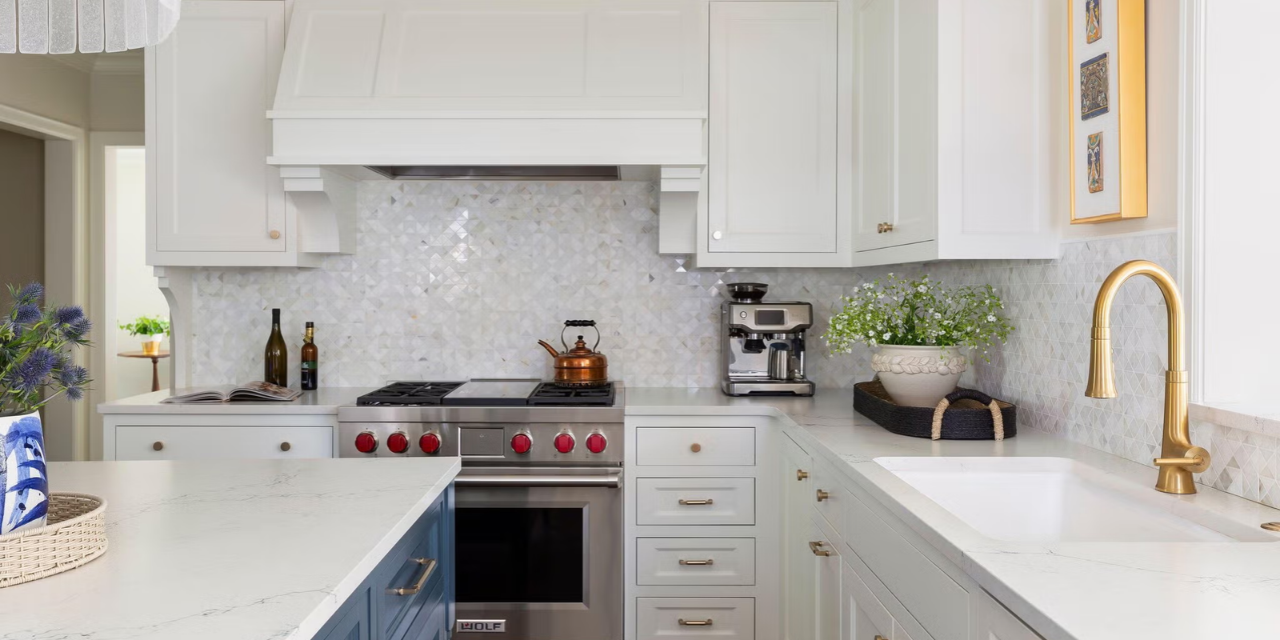
California’s proposed ban on engineered quartz countertops could increase costs for interior design projects as manufacturers and designers explore alternative materials. The expected regulatory change is prompting discussions about material availability, fabrication costs and the future of kitchen and bathroom surfaces.
According to a report by The New York Times published on 29 October 2026, California is expected to ban the production and installation of engineered quartz later this year. The move follows growing concerns about silicosis, a serious lung disease linked to exposure to crystalline silica dust during stone cutting and processing.
Engineered quartz has remained a popular countertop material because of its affordability and wide range of colours and finishes. However, the material contains more than 90% crystalline silica, raising concerns about worker safety during fabrication.
Interior Designers Expect Higher Material Costs
Interior designers expect the proposed ban to affect the prices of alternative countertop materials. As demand shifts towards natural stone and other surfaces, material costs could increase.
Fabrication and installation costs may also rise. Workers and manufacturers will need time to adjust to alternative materials and production methods.
Alexandra Azat, owner of Los Angeles-based interior design firm Plaster and Patina, said the ban could affect the prices of other materials and related services.
Manufacturers Explore Alternative Countertop Materials
Manufacturers and distributors have maintained that engineered stone can be used safely when appropriate workplace safety procedures are followed. Meanwhile, some companies are developing alternatives with little or no crystalline silica.
These alternatives include recycled-glass surfaces. Caesarstone, which introduced engineered quartz countertops in 1987, has also developed a new product line made with recycled glass.
The proposed California restrictions could therefore influence material choices across the interior design and countertop industries. Designers, manufacturers and fabricators will need to assess the cost, availability and performance of alternative surfaces as the industry responds to the possible regulatory change.


