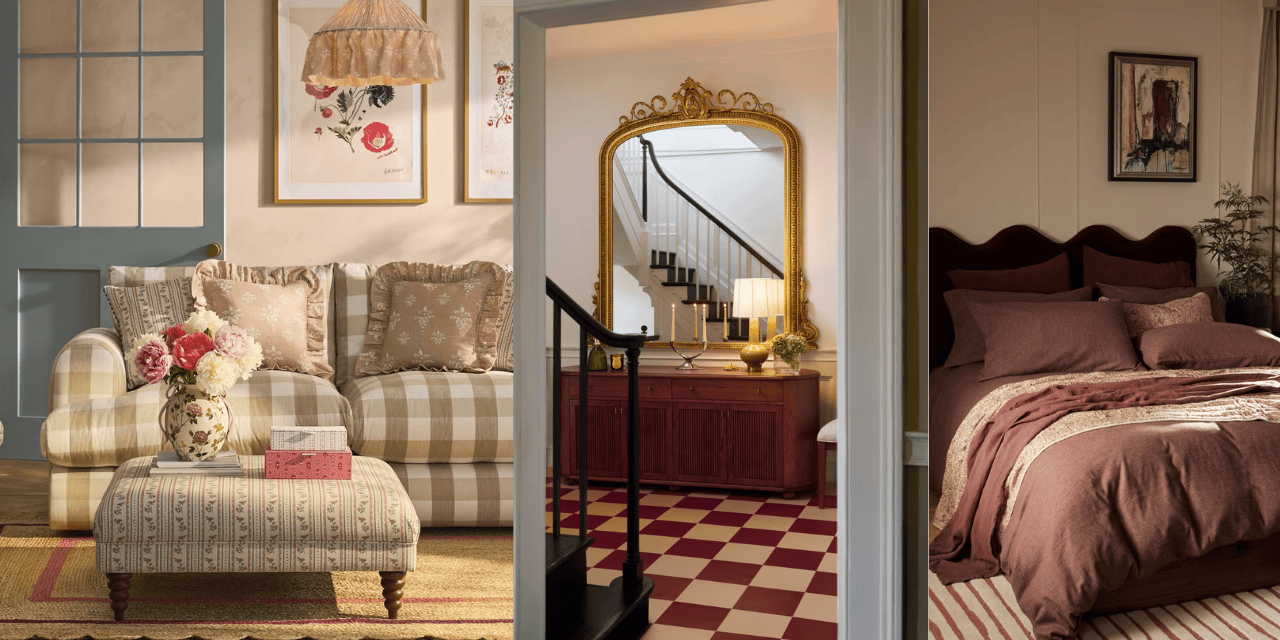
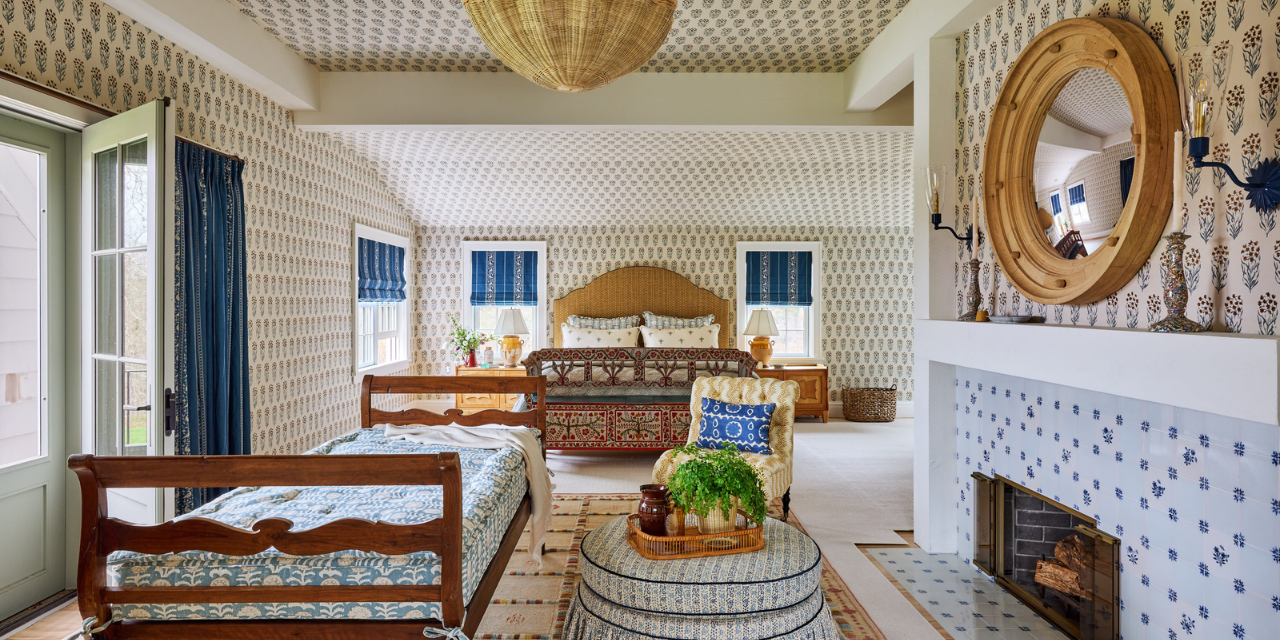
The skirted furniture trend is returning to modern interiors, bringing a softer look to sofas, chairs, sinks and bedroom furniture. Once associated with 1980s and 1990s decorating styles, this traditional detail is gaining attention again.
According to House Beautiful, interior designers are incorporating fabric skirts into contemporary and traditional spaces. The trend also reflects growing interest in classic design, decorative textiles and comfortable interiors.
Designers Claire Staszak of Centered by Design, Bridget Tiek of TIEK BYDAY and Heather French of French & French Interiors highlight how fabric detailing can transform existing furniture and architectural features.
Choose the Right Fabric and Texture
Fabric selection plays an important role in skirted furniture design. Pleated, gathered, straight and ruffled styles can create different interior effects.
A straight skirt works well in contemporary settings, while ruffled designs complement French country and traditional interiors. Box pleats can also introduce a structured appearance.
Designers recommend considering fabric colours, patterns and finishes before choosing a style. The material should complement the room’s existing furniture and decorative elements.
Use Furniture Skirts with Restraint
Skirted furniture can introduce softness without overwhelming a room. Designers suggest using one skirted furniture piece per room, particularly when choosing bold patterns.
This approach allows the fabric detail to become a focal point. It also helps maintain balance across the overall interior scheme.
Skirted sinks, dining chairs, sofas and breakfast banquettes offer different ways to introduce the trend.
Explore Classic Patterns and Prints
Traditional patterns such as gingham, florals and tartan are popular choices for furniture skirts. Smaller repeating patterns work particularly well with gathered fabrics.
These designs can add colour, texture and visual interest to kitchens, laundry rooms and dining areas. They also offer an alternative way to showcase decorative fabrics beyond curtains and upholstery.
Focus on Tailoring and Finishing
Good tailoring helps skirted furniture achieve a polished appearance. Clean seams, accurate measurements and carefully finished edges make the design look intentional.
Designers also recommend professional installation when adding skirts to existing furniture or architectural features. Poorly finished DIY details can affect the overall appearance.
The return of skirted furniture highlights the growing interest in decorative textiles and traditional design details. With thoughtful fabric choices and balanced styling, this trend can bring warmth, texture and personality to contemporary homes.