
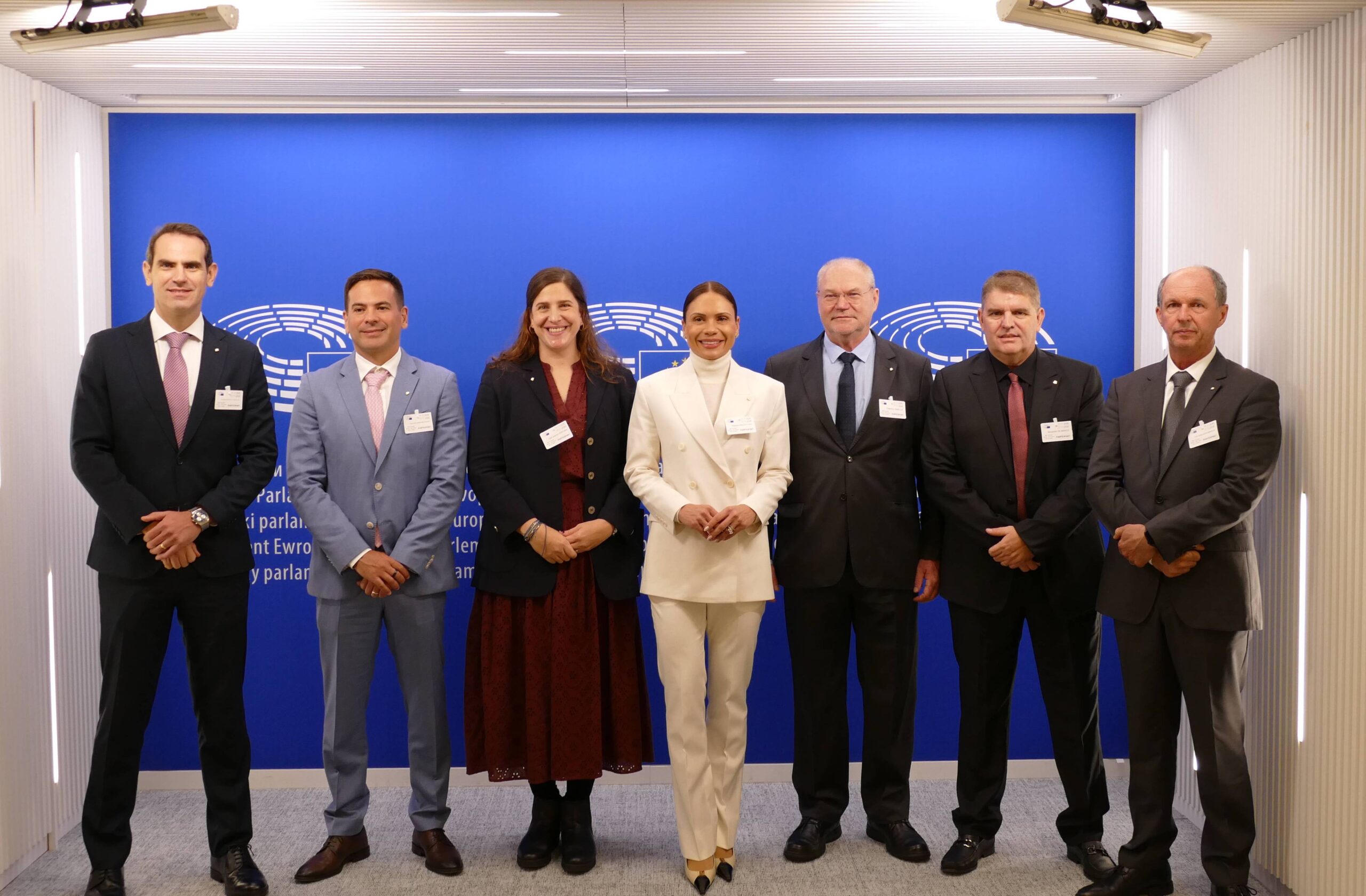
Cotton Brazil has called for balanced textile sustainability regulations that recognise the contribution of natural fibres. The appeal came during a series of meetings with European policymakers and cotton-producing countries in Brussels, Belgium.
The delegation concluded its strategic agenda this week. The discussions focused on sustainable textile production, environmental regulations and international cooperation.
A key highlight was the roundtable titled “The Critical Role of Cotton in Europe’s Sustainable Ambitions”, held at the European Parliament on November 17. Member of the European Parliament (MEP) Hélder Sousa Silva hosted the event with support from Cotton Brazil.
The meeting highlighted the need for stronger engagement with European policymakers. It also stressed the importance of recognising natural fibres in textile sustainability regulations.
Lisa Ventura, Head of International Partnerships at the Brazilian Cotton Growers Association (Abrapa), highlighted the importance of continued advocacy at the European Union level.
She said that policymakers need a better understanding of natural fibres and their contributions to livelihoods, communities and sustainability goals.
Cotton’s Role in European Sustainability Policies
The discussions explored how cotton and other natural fibres can support the European Union’s sustainability ambitions. These efforts also include tackling microplastic pollution.
Ventura called for fair and balanced textile sustainability regulations. She also pointed to gaps in environmental assessment methods, including the Product Environmental Footprint (PEF).
According to her, these methods must reflect the specific characteristics and environmental impacts of different fibres.
The discussion also connected with Brazil’s #MicroplásticoÉoFimdaLinha initiative, known as Hanging by a Thread. The campaign raises awareness about the environmental and health impacts of microplastics. It also encourages the textile industry to consider the role of natural fibres.
Brazilian Cotton Growers Share Farming Experiences
Brazilian cotton growers also participated directly in the European Parliament discussions. Their presence brought practical farming experiences into the policy debate.
The producers shared their views on regulatory expectations and the challenges faced by farmers. Their participation highlighted the need for policies that are effective, proportionate and practical.
Cotton producers from Greece also joined the discussions. Greece is Europe’s largest cotton-producing country.
The exchanges revealed common challenges and concerns among producers. They also highlighted opportunities for stronger cooperation between cotton-producing countries.
Cotton Brazil Strengthens International Cooperation
Beyond the roundtable, the delegation met representatives of European institutions and agricultural attachés.
The meetings highlighted the contribution of Brazilian cotton to climate resilience, rural livelihoods and sustainable supply chains. The delegation also presented responsible production practices in Brazil.
Cotton Brazil discussed opportunities to exchange knowledge and strengthen cooperation with other cotton-producing countries.
These meetings helped strengthen existing partnerships and build relationships with organisations involved in the global cotton and sustainable textiles sectors.
Next Steps for Cotton Brazil in Europe
The Brussels agenda reinforced the importance of regular engagement with European policymakers.
Cotton Brazil plans to continue sharing information about cotton production and its contribution to sustainability. The initiative also aims to strengthen partnerships and support evidence-based textile regulations.
“Our next step is to turn these discussions and connections into continued dialogue, strengthen partnerships and contribute actively to a more balanced, evidence-based regulatory framework,” said Lisa Ventura.