
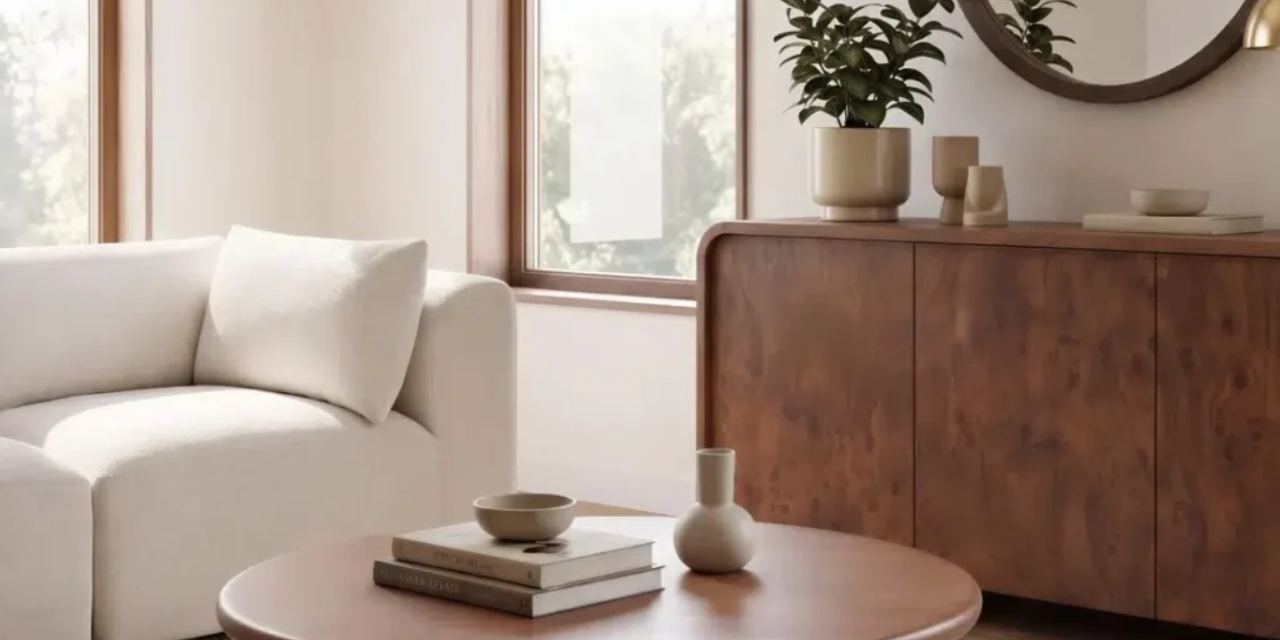
Interior design trends for 2027 are moving towards comfort, individuality and timeless materials. Homeowners are moving away from sterile minimalism and short-lived trends. Instead, they are choosing furniture and décor that reflect personal style and support everyday living.
The latest design direction focuses on nostalgic details, sculptural furniture, rich wood finishes and warm colour palettes. Multi-functional furniture is also gaining importance as homeowners look for practical ways to maximise their living spaces.
According to Laura Rich, interior designer and Creative Lead for Product at Furniturebox, character will define home interiors in 2027. Consumers increasingly want spaces that reflect their personalities rather than copying picture-perfect interiors seen on social media.
Rich also highlights the growing importance of comfort, craftsmanship and functionality. Furniture with hidden storage, adaptable designs and multiple uses will help make everyday living easier.
Here are seven interior design trends expected to shape homes in 2027.
1. Adaptive Furniture for Flexible Living
Multi-functional furniture will become increasingly important in 2027. Smaller homes, hybrid working and changing lifestyle needs are driving demand for furniture that serves more than one purpose.
Modular shelving, nesting side tables, storage coffee tables and desks integrated into wall units are among the expected popular choices.
Warm oak, walnut and teak finishes will add character to these practical designs. Rounded edges and occasional high-gloss colour details will also bring visual interest.
Floor-to-ceiling storage systems can help organise everyday essentials while displaying decorative objects. Nesting tables also provide extra surface space when needed and can be stored away afterwards.
2. Soft Architecture and Sculptural Furniture
Curved furniture will continue to influence interior design in 2027. However, the trend is moving towards larger and more sculptural shapes.
Chunky armchairs, pebble-shaped sofas, rounded coffee tables and curved sideboards will create softer interiors. Scalloped headboards and oversized cushions will also add character to bedrooms and living spaces.
Neutral shades such as oatmeal, cream, stone and mushroom will complement these forms. Layered linen, chunky knits and textured cushions will further enhance comfort.
3. Material Contrast Adds Visual Interest
Combining different materials will be another important design direction. Wood, marble, lacquer, brushed brass, glass and metal will appear together in furniture and decorative accents.
Examples include walnut cabinets with glass fronts, marble-topped side tables and coffee tables featuring stone details.
The aim is to create a balanced and layered appearance without overcrowding the space. Using two or three materials and repeating them across the room can help maintain visual consistency.
4. Retro Refresh Brings Nostalgic Designs Back
Retro-inspired furniture will continue its comeback in 2027, drawing inspiration from Mid-Century Modern and 1970s design.
Tapered legs, rounded cabinet corners, bentwood curves and tubular chrome details will feature across furniture collections.
Smaller furniture pieces, including coffee tables, side tables and statement sideboards, will offer an easy way to introduce this style.
Tan leather, rattan and vintage-inspired accessories will add warmth. Reading corners featuring lounge chairs, floor lamps and curved side tables will also complement the trend.
5. Rich Wood Finishes Become a Key Feature
Wood will be a leading material in 2027 interiors. Richer finishes such as walnut, dark oak and teak are gaining attention over pale Scandinavian-style wood.
Visible grains, hand-finished details and carved surfaces will highlight natural craftsmanship.
Fluted panels, reeded designs, arched details and sculpted cabinet fronts will add depth to furniture. Homeowners can also combine different wood tones while maintaining similar warm undertones.
A dark walnut sideboard or oak dining table can create a strong focal point against lighter flooring.
6. Heritage Fabrics Bring Pattern and Texture
Heritage-inspired patterns will bring renewed interest to soft furnishings in 2027. Stripes, checks and geometric designs will feature on cushions, upholstered chairs and headboards.
Materials such as bouclé, linen, wool, velvet and tweed will create layered and comfortable interiors.
Contrast piping will add detail to cushions, while combinations of stripes, checks and plain fabrics will create a coordinated look.
Curved upholstered headboards and patterned fabrics on retro-inspired chairs will also provide decorative focal points.
7. Grounded Colour Palettes Create Warm Interiors
Warm and earthy colours will shape interior palettes in 2027. Chocolate, mocha, tobacco, caramel and terracotta will create inviting backgrounds.
Soft neutrals such as oatmeal, stone, putty and warm cream will balance these deeper shades. Meanwhile, burgundy, oxblood, olive, ochre and dusty blue will introduce contrast and personality.
Colour-drenching will also gain attention, particularly in smaller rooms such as studies and reading spaces. Applying one shade across walls, ceilings and woodwork can create a cohesive, enclosed feel.
The 60-30-10 colour rule offers another approach: use 60% of a warm neutral, 30% of a mid-tone and 10% of an accent colour.
Character and Comfort Define Interior Design in 2027
The seven trends highlight a broader shift towards more personal and practical homes. Consumers are showing interest in furniture that combines craftsmanship, durability and flexibility.
Natural materials, nostalgic influences, sculptural forms and tactile fabrics will help create interiors with lasting appeal. At the same time, adaptable furniture and thoughtful storage will support changing lifestyle needs.
In 2027, the focus will be on creating homes that feel comfortable, functional and individual rather than simply following temporary design trends.


