
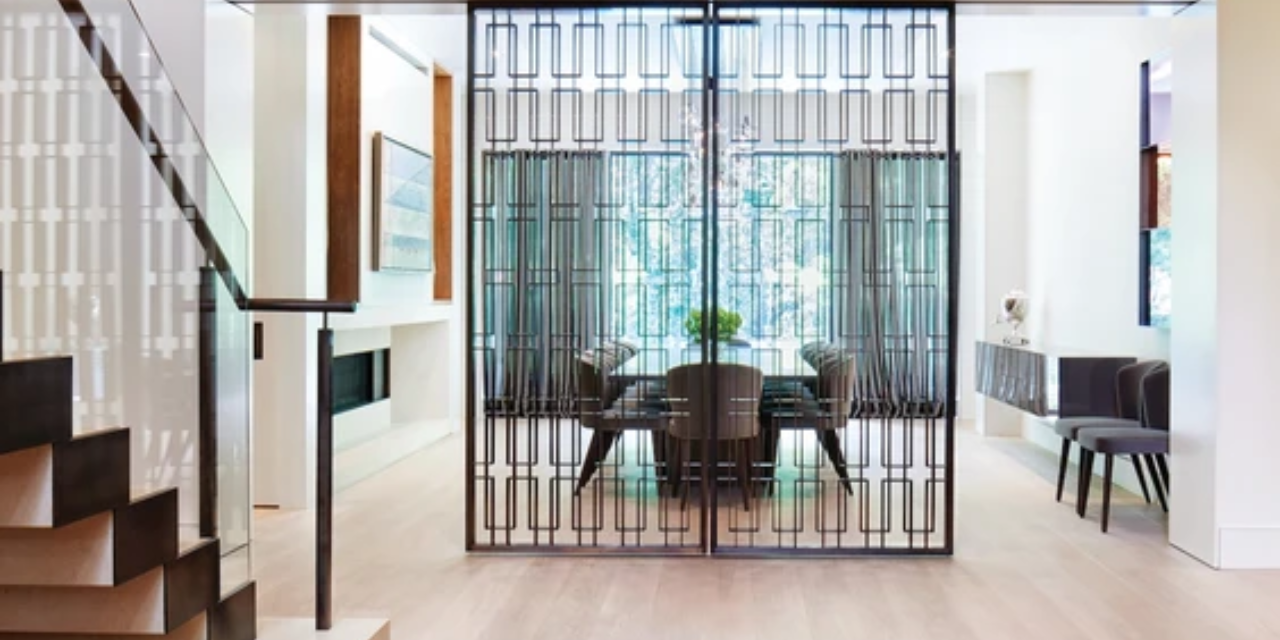
Adaptable layouts, durable materials and thoughtful architectural planning can help homes remain functional and relevant as lifestyles change.
Home design is increasingly focusing on long-term functionality, adaptability and durability. With roughly half of the country’s private homes built in 1980 or earlier, architects are highlighting the importance of creating homes that can evolve over several decades.
According to Michael Taylor of Toronto-based Michael Taylor Architecture + Design, timeless architecture does not mean avoiding bold design choices or using only neutral colours. Instead, it involves creating spaces that remain comfortable, functional and appealing over time.
What Makes a Home Timeless?
Taylor believes that good proportions, natural daylight and a strong connection with the surrounding landscape are essential elements of timeless architecture.
He explains that a home can reflect the design period in which it was built and still remain relevant decades later. Well-planned rooms, natural materials and thoughtful layouts help maintain its appeal beyond changing interior trends.
One example is a home completed by his team in 2001. Over the years, the owners’ needs and preferences changed, leading to updates in the primary bathroom and media room. The team also replaced a suspended dining room light fixture and removed a fireplace to create more space for artwork.
These changes worked within the original architectural structure rather than altering its overall identity.
Flexible Layouts Support Changing Lifestyles
Architectural decisions made during the planning stage can determine how easily a home adapts in the future.
Taylor highlights the importance of balancing open and enclosed spaces. Living areas can connect through open layouts, while sliding or pocket doors can provide privacy when required.
He also recommends including at least one flexible room without a fixed purpose. For example, a well-lit room near a bathroom can function as a home office, guest room or future bedroom.
This approach allows homeowners to adjust their living spaces as family needs and lifestyles change.
Accessibility and Future-Ready Planning
Accessibility is another important consideration in long-term home design. Wider doorways, spacious hallways and wheelchair-friendly circulation can make homes more comfortable as mobility requirements change.
Architects can also install wood blocking inside bathroom walls during construction. This allows grab bars to be added later without major structural work.
Taylor notes that these provisions are often affordable during construction but can become expensive when added during renovations.
Durable Materials Create Lasting Interiors
Material selection plays an important role in maintaining a home’s appearance over time.
Taylor recommends materials such as stone, bronze, leather, walnut and light oak. These finishes can develop a natural patina through regular use rather than simply showing signs of wear.
A restrained material palette also gives homeowners greater flexibility to introduce new furniture, artwork and decorative accessories without requiring major interior changes.