Homeowners are reconsidering popular interior design trends, with greige colour schemes, bouclé furniture, white interiors and oversized decorative details among the styles losing appeal.
Interior design preferences continue to evolve as homeowners seek more personalised and practical living spaces. Several popular design choices that dominated recent years are now facing criticism, according to a survey of readers by Australian publication Homes to Love.
The findings highlight changing attitudes towards materials, colours, furniture and functional layouts. While some styles remain popular, many homeowners are ready for more timeless and individual interior choices.
12 Interior Design Trends Losing Popularity
The publication identified 12 interior design trends that readers would prefer to leave behind in 2026.
1. Over-Styled Sofa Cushions
The traditional practice of sharply folding or shaping sofa cushions, often called karate chopping, is losing appeal. Homeowners increasingly prefer relaxed cushions that create a comfortable and natural appearance.
2. Kitchen Sinks on Island Benches
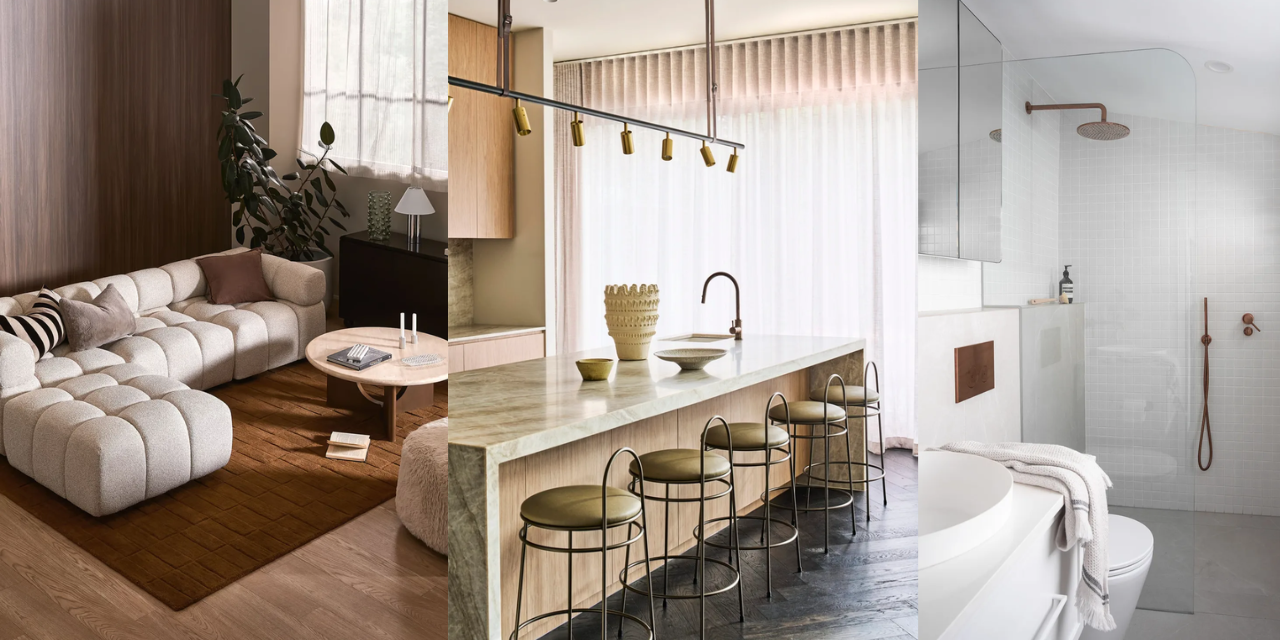
Kitchen islands with integrated sinks are also facing criticism. Water splashes can reduce the usable countertop area, particularly when taps are positioned too high. Some homeowners prefer keeping kitchen islands clear for food preparation and entertaining.
3. Taj Mahal Stone
Taj Mahal quartzite has become a popular choice for kitchen and bathroom surfaces. However, some homeowners feel that its widespread use has reduced its appeal. The neutral taupe tones may also become associated with a particular design period.
4. Boston Oak Finishes
Boston Oak has attracted attention for its warm tones and subtle woodgrain. However, its frequent combination with Taj Mahal stone has left some homeowners looking for alternative timber finishes and materials.
5. Bouclé Furniture
Bouclé fabric became popular for its textured surface and soft appearance. Curved bouclé sofas and upholstered furniture featured prominently in contemporary interiors. However, some homeowners now feel that the material has been overused.
6. Following Every Design Trend
Homeowners are also questioning the constant introduction of new interior trends. Instead, many prefer investing in furniture and accessories that offer lasting value. Personal preferences and practical needs are becoming more important than short-lived styles.
7. White-on-White Interiors
White interiors have long been associated with clean and minimal design. However, excessive use of white can make rooms appear sterile and lack visual warmth. Homeowners are increasingly exploring layered colours, textures and natural materials.
8. Excessive Fluted Finishes
Fluted furniture and decorative surfaces are also losing popularity among some homeowners. Although the textured finish adds visual interest, its grooves can collect dust and require additional cleaning. Interestingly, fluted glass remains a preferred design feature.
9. Open and Walk-In Showers
Door-free showers have become a popular feature in contemporary bathrooms. However, poorly planned layouts can allow water to spread across the bathroom floor. Proper glass partitioning and drainage remain important for functionality.
10. Greige Colour Schemes
The combination of grey and beige, commonly known as greige, was widely used in interiors during the 2010s. However, some homeowners now consider the neutral palette overused. More distinctive colour combinations are gaining attention.
11. Non-Integrated Bathroom Sinks
Vessel sinks and countertop basins can create attractive bathroom focal points. However, some homeowners find them difficult to clean because dirt and water can collect around their edges. Integrated basin designs offer a more streamlined alternative.
12. Repetitive Television-Inspired Interiors
Some homeowners are also moving away from interior styles associated with television renovation programmes, including The Block. The criticism reflects growing interest in individual design choices rather than repeatedly following popular renovation aesthetics.
Homeowners Shift Towards Personalised Interiors
The feedback highlights a broader change in home design preferences. Homeowners are placing greater importance on comfort, functionality and personal expression.
Rather than following every emerging trend, many are choosing materials, colours and furniture that suit their lifestyles. Timeless finishes and practical layouts are also gaining attention.
However, design preferences remain subjective. Trends that lose popularity today may return in new forms in the future. Ultimately, creating a comfortable home that reflects individual taste remains more important than following temporary design trends.