
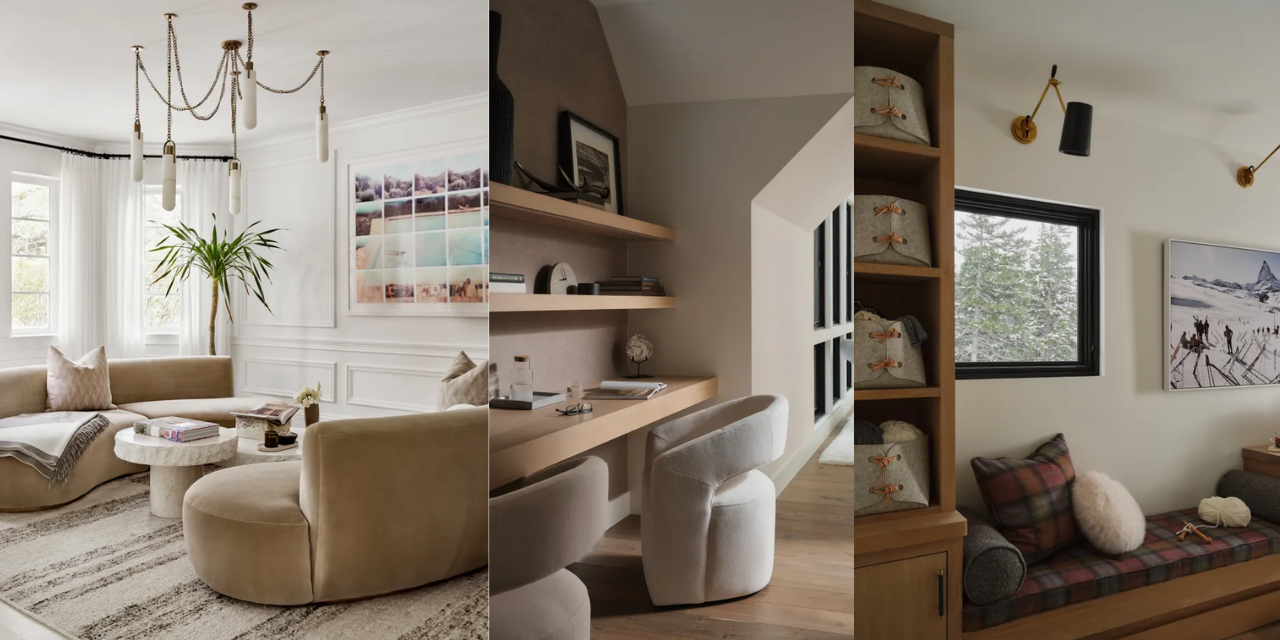
Antistimulation rooms are emerging as a home design trend focused on comfort, relaxation and reduced sensory distractions. As digital devices, notifications and everyday noise become part of daily life, homeowners are looking for quieter spaces within their homes.
The concept focuses on creating a calm environment where people can disconnect from screens, relax and recharge. According to interior designers Lynn Berney of LTA Interiors and Therese Kelleher of Villa Hygge, these spaces can support a more relaxed lifestyle through thoughtful furniture, lighting, colours and textiles.
What Are Antistimulation Rooms?
Antistimulation rooms are dedicated spaces designed to reduce sensory distractions. Unlike conventional relaxation areas, they focus on limiting digital devices, harsh lighting, background noise and excessive visual elements.
The concept does not require an entire room. A quiet corner with comfortable seating, soft lighting and minimal distractions can serve the same purpose.
These spaces also reflect growing interest in wellness-focused interiors. Homeowners are increasingly considering how interior design can support relaxation, personal time and everyday comfort.
How to Create an Antistimulation Space at Home
1. Choose a Soothing Colour Palette
Colour plays an important role in creating a relaxing atmosphere. Warm neutrals, muted earth tones, soft taupe, ivory, sage green and dusty blue can help establish a peaceful setting.
These shades bring visual balance without making interiors feel plain or overly decorative.
2. Use Warm and Layered Lighting
Harsh overhead lighting can make a space feel less comfortable. Instead, table lamps, wall sconces and concealed lighting offer softer illumination.
Dimmable lighting also allows homeowners to adjust brightness according to different activities and times of day.
3. Include Comfortable Seating Options
Comfortable furniture is essential for an antistimulation space. A combination of lounge chairs, cushioned seating and reclining options can support reading, resting or quiet activities.
Furniture should prioritise comfort, practical use and a relaxed appearance.
4. Reduce Digital Distractions
Keeping smartphones, televisions and other digital devices outside the space helps create a screen-free environment.
Traditional alternatives, including analogue clocks and record players, can also support a slower and less connected experience.
5. Layer Soft Home Textiles
Home textiles play an important role in creating a comfortable atmosphere. Linen, wool, cashmere and other natural materials introduce warmth and tactile appeal.
Rugs, thick curtains, cushions, throws and wall tapestries can also help soften interiors and reduce unwanted noise. These elements make the space feel more enclosed and comfortable.
6. Design the Space Around a Clear Purpose
Every antistimulation area should have a specific function. A reading corner may require a comfortable chair, reading lamp, small table and blanket.
Meanwhile, a space for board games or creative activities may need suitable tables and seating. Keeping the arrangement purposeful helps maintain a clutter-free environment.
Home Design Moves Towards Wellness and Comfort
The growing interest in antistimulation rooms reflects a wider shift towards wellness-focused home interiors. Rather than focusing only on aesthetics, homeowners are considering comfort, lighting, acoustics and sensory experiences.
For the home furnishing industry, this trend creates opportunities across soft furnishings, upholstery, curtains, rugs, cushions and decorative accessories. Natural fabrics, muted colours and comfortable furniture can help brands develop collections that support relaxing home environments.
Antistimulation spaces also show that creating a peaceful home does not require major renovations. Even a small, thoughtfully designed corner can offer a place to disconnect from everyday distractions.