Bangladesh’s apparel industry continues to expand its role in global garment sourcing. Strong buyer-supplier partnerships are becoming increasingly important for market growth, supply chain efficiency and long-term competitiveness.
Bangladesh’s ready-made garment (RMG) exports reached $3.89 billion in August 2026, up 13.92% year on year. RMG accounted for around 88.01% of the country’s total merchandise export earnings during the month.
Global Buyers Support Bangladesh RMG Exports
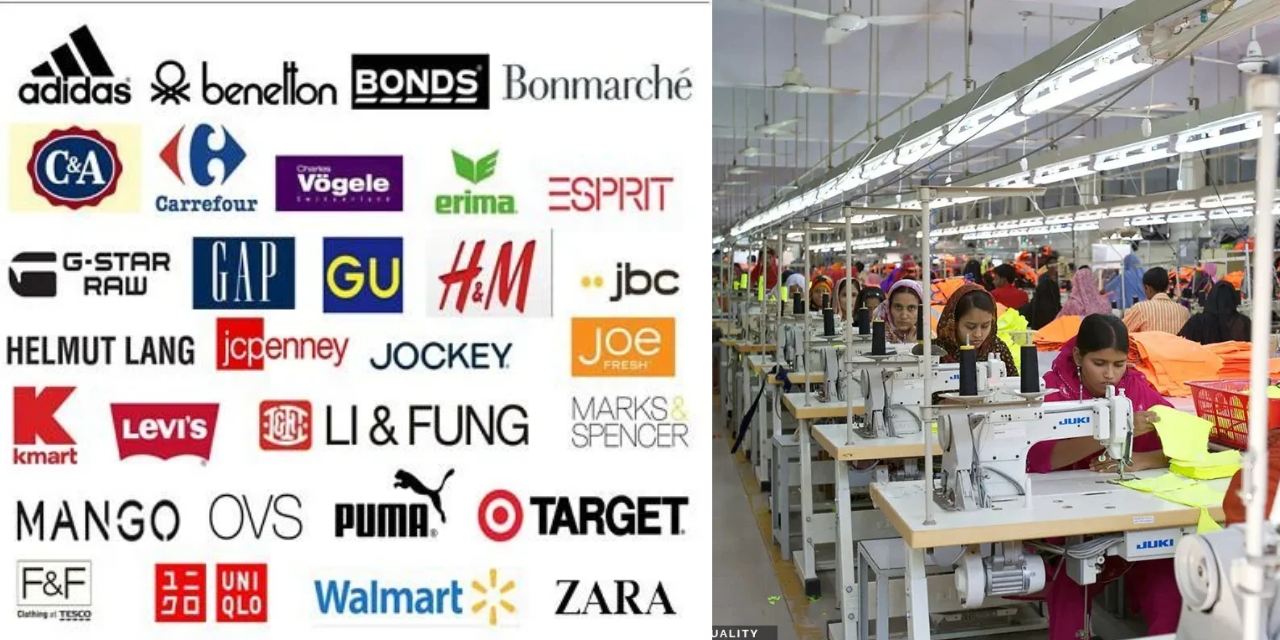
Major international brands and retailers source apparel from Bangladesh. These include H&M, Walmart, Inditex (Zara), Primark, Adidas, Mango, Levi Strauss & Co., Nike, GAP/Old Navy, Marks & Spencer, C&A, Uniqlo, Li & Fung, Lidl, Aldi, Kmart, Target and American Eagle.
The wide buyer base supports Bangladesh’s position as a major global apparel sourcing destination. It also creates opportunities for manufacturers to develop long-term business relationships.
Stronger Buyer-Supplier Partnerships
Government agencies, suppliers and international buyers have an important role in strengthening Bangladesh’s RMG sector. A full value-chain approach can help improve supply chain efficiency and transparency.
For example, suppliers and buyers can expand the use of lean operations and electronic data exchange. Buyers can also develop closer and longer-term relationships with manufacturers.
Pricing discussions are another important area. Leading suppliers are becoming more selective when choosing customers. Therefore, buyers may need to review their sourcing and pricing practices.
Buyers can also improve operational execution. Faster responses and simpler internal processes can help reduce delays. Fewer last-minute changes can further improve production planning.
Bangladesh Remains Dependent on Imports
Bangladesh has developed a sizeable textile and spinning sector. However, the RMG industry still depends heavily on imported inputs.
Cotton remains a major imported raw material for yarn production. The sector also imports many dyeing and printing chemicals and packaging materials.
Garment factories also rely on imported machinery. Local production of garment machinery and used equipment is growing. However, domestic supply remains insufficient for the industry’s requirements.
Key Strengths of Bangladesh’s Apparel Sector
Bangladesh offers several advantages to international apparel buyers. These include a large workforce, competitive labour costs and an established manufacturing base.
The country has also developed industrial infrastructure and specialized manufacturing facilities. Its skilled and semi-skilled workforce supports large-scale garment production.
In addition, Bangladesh has expanded workplace safety and compliance practices. Manufacturers are also increasing their focus on sustainable production.
Sustainability has become an important part of global apparel sourcing. Bangladesh garment manufacturers are adopting practices linked to energy efficiency, responsible resource use and environmental management. Sustainability reporting is also becoming more common across the industry.
Major Export Markets
Bangladesh’s major apparel export destinations include the United States, European Union, United Kingdom, Canada, Germany, France, Italy, Spain, Japan and Australia.
The United States and European markets remain important destinations for Bangladeshi apparel products. Continued buyer engagement can help manufacturers strengthen their position in these markets.
Sustainability Remains a Key Challenge
Bangladesh’s apparel industry has significant potential for further growth. At the same time, environmental challenges remain important.
The sector faces issues linked to global warming, groundwater depletion and river pollution. Therefore, manufacturers and policymakers need to balance production growth with environmental responsibility.
International brands are also increasing their sustainability commitments. As a result, Bangladeshi manufacturers are under greater pressure to improve environmental performance and maintain international compliance standards.
Stronger cooperation between buyers, suppliers and the government can support this transition. Better supply chain practices, responsible sourcing and sustainability measures can help Bangladesh strengthen its position in global apparel trade.