
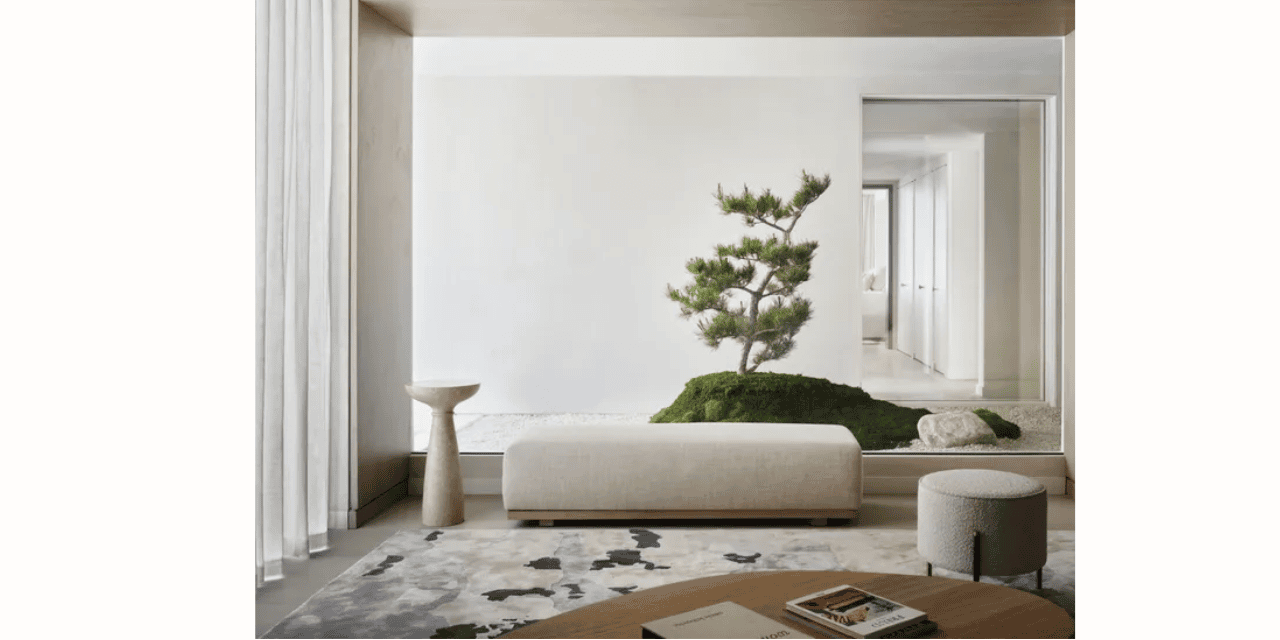
Bringing greenery indoors is becoming a popular way to create calmer and more inviting homes. Houseplants can add colour, texture and a natural character to almost any interior.
This approach is closely linked to biophilic design, which focuses on creating stronger connections between people and nature. From large leafy plants to sculptural varieties, the right greenery can transform a room while creating a more relaxing atmosphere.
Why Houseplants Matter in Biophilic Design
Modern homes can often feel disconnected from the natural world. Biophilic design offers a simple way to bring elements of nature back into everyday spaces.
Houseplants are one of the easiest ways to achieve this look. They introduce natural forms, organic textures and different shades of green. They can also soften hard surfaces and make interiors feel more welcoming.
“As our lives become increasingly fast-paced and overstimulating, people are looking to their homes as places to unplug, recharge, and reconnect with nature,” says Giovanni Medina Marenco, Miami-based design director at 1508 London.
Designers are therefore using plants to create spaces that feel peaceful and sensory. The trend is also moving beyond simply placing one plant beside a window. Today, greenery is being used as an important part of the overall interior scheme.
Create a Layered Green Look
A successful biophilic interior does not need to look like a jungle. Instead, plants can be introduced at different heights and locations.
Use a tall floor plant to create a strong focal point. Add smaller plants to shelves, side tables and window ledges. Hanging plants can add another layer while making use of vertical space.
This layered approach creates a more natural visual flow. It can also help connect different areas of an open-plan home.
Natural materials can strengthen the effect. Woven baskets, wooden furniture, stone surfaces and earthy textiles work particularly well with greenery.
Choose Plants With Sculptural Appeal
The shape of a plant can be just as important as its colour. Sculptural plants bring structure and visual interest to contemporary interiors.
Jade plants, for example, have rounded leaves and strong stems. Their compact form works well in living rooms, bedrooms and home offices.
Large-leaf plants can create a stronger sense of immersion. Their broad foliage can become a statement feature in a neutral room.
Choose plants based on the amount of natural light available. This will help them remain healthy while keeping the interior looking fresh.
Bring Greenery Into Small Spaces
Biophilic design can work in homes of almost any size. A lack of floor space does not mean you have to miss out on greenery.
Try placing small plants on floating shelves or narrow consoles. Hanging varieties can also add greenery without taking up valuable floor space.
A single tall plant can make a compact room feel more connected to nature. Choose a simple planter and allow the foliage to become the main visual feature.
Use Natural Planters and Materials
The planter is an important part of the overall look. Natural materials can make the connection with nature feel stronger.
Woven baskets, terracotta pots, ceramic planters and wooden containers can complement leafy plants. Neutral finishes also allow green foliage to stand out.
For a more contemporary interior, pair sculptural plants with simple pots. For warmer spaces, textured baskets can create a softer and more relaxed appearance.
Make Plants Part of the Interior Scheme
Houseplants should not always be treated as separate decorative accessories. They can become part of the room’s overall design.
Place plants beside furniture, near windows or around architectural features. This can create a natural transition between different parts of a room.
Greenery also works well with earthy colour palettes. Pair plants with beige, brown, cream, terracotta and muted natural tones for a calming interior.
Biophilic Design Is More Than a Trend
The growing interest in biophilic interiors reflects a wider desire for homes that support wellbeing. People are increasingly looking for spaces that feel comfortable, restorative and connected to the natural world.
Houseplants offer an accessible way to achieve this feeling. They can work in large houses, apartments, bedrooms, kitchens and home offices.
The key is to choose plants that suit the space and use them thoughtfully. With the right combination of foliage, planters and natural materials, even a simple room can feel more connected to nature.
The Future of Green Interiors
As homeowners continue to focus on wellbeing and meaningful interiors, biophilic design is likely to remain influential.
Plants offer one of the simplest ways to embrace this approach. They bring organic shapes, natural colour and a sense of freshness into the home.
Rather than following a strict decorating formula, create layers of greenery that work with your lifestyle. A few carefully selected plants can make a strong difference while keeping the interior stylish and functional.