India’s handloom sector is seeing increased efforts to balance traditional weaving practices with changing market requirements. As part of this transition, Birla Cellulose is supporting handloom clusters in incorporating sustainable cellulosic fibres such as Livaeco™ Viscose, Livaeco™ Modal and Livaeco™ Lyocell into their product ranges.
The fibres can be blended with traditional yarns or used as standalone materials to develop fabrics that retain the characteristics of handloom textiles while offering softness, drape, comfort and sustainability.
Supporting Alternatives to Traditional Yarn Inputs
Handloom weaving in India has traditionally depended on cotton and silk yarns. Fluctuations in price and supply, along with changing consumer buying patterns, have increased the need for consistent access to high-quality input materials.
Birla Cellulose is supporting handloom clusters with the use of MMCF fibres, including viscose, modal and lyocell. These materials can be combined with traditional fibres to create new fabric constructions while maintaining the artisanal characteristics associated with handloom products.
The programme also extends beyond fibre adoption. Birla Cellulose has undertaken yarn seeding programmes, provided technical assistance for dyeing and product development, supported product testing and established supply mechanisms for smaller quantities of yarn.
Additional interventions, including cone-to-hank conversion facilities, have also been introduced to simplify fibre and yarn adoption at the weaver level.
Programme Expands Across Handloom Clusters
Assam was the first pilot hub for the initiative, providing a framework that is now being replicated across other parts of India.
The programme has expanded to Odisha, West Bengal, Gujarat, Madhya Pradesh and Uttar Pradesh, working with organisations including ARTFED, KHAMIR, the Kutch Weavers Association and various state-supported handloom societies.
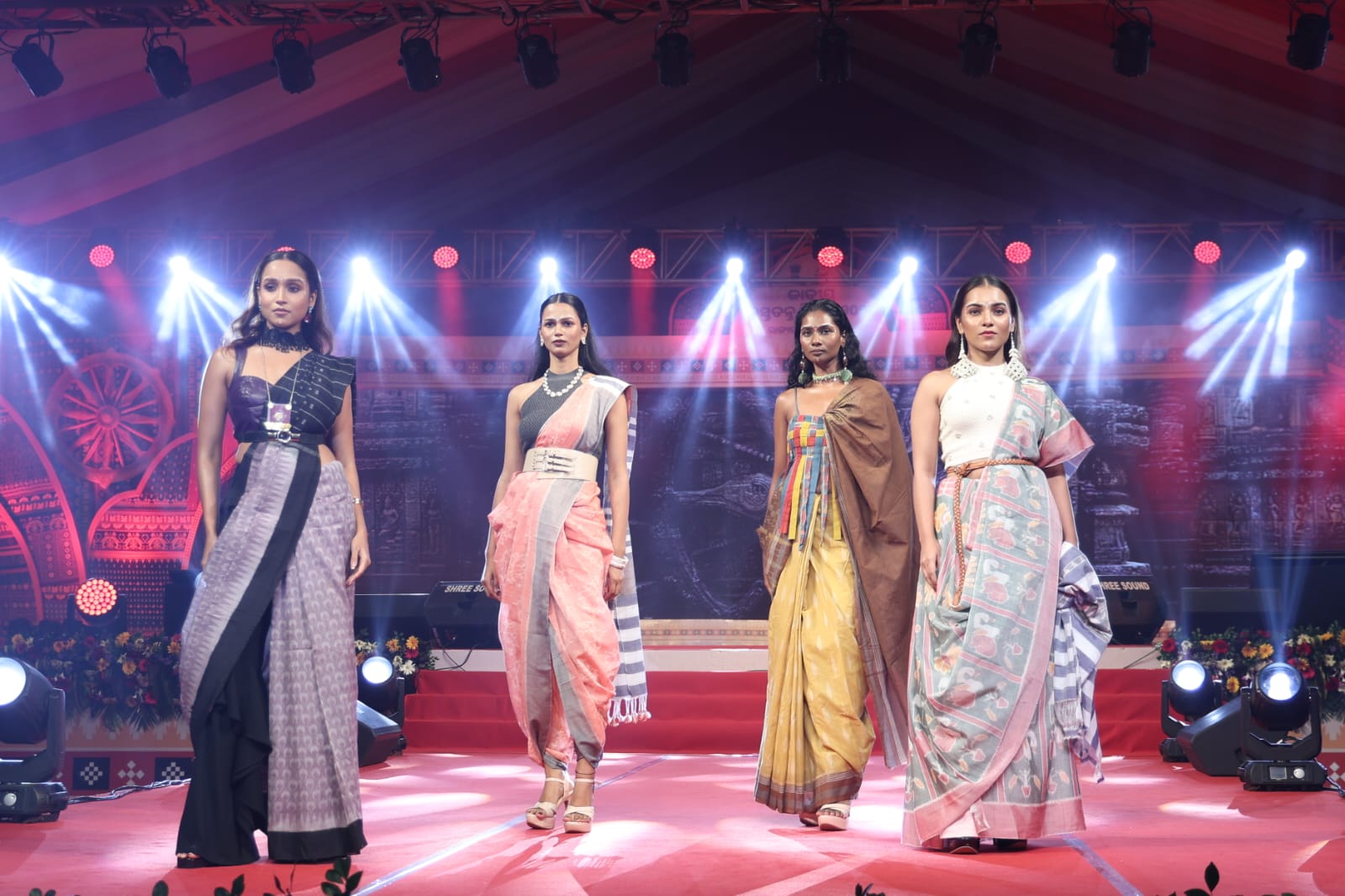
The initiative has also supported product development based on regional weaving traditions. Examples include Silk x Livaeco™ Modal Chanderi fabrics in Madhya Pradesh and Banarasi blends with Livaeco™ Modal & Livaeco™ Lyocell in Varanasi.
Odisha Partnership Focuses on Livaeco™ Lyocell
Birla Cellulose has entered into a strategic collaboration with the State Agency for Development of Handloom Cluster (SADHAC), Odisha, through a Memorandum of Understanding (MoU) focused on developing innovative handloom fabrics using Livaeco™ Lyocell.
The partnership aims to develop premium handloom textiles by combining Lyocell fibre with traditional handloom yarns. The initiative is intended to allow artisans in Odisha and beyond to retain the authenticity and aesthetics of regional weaving traditions while introducing enhanced comfort, versatility and sustainability.
The collaboration also seeks to create new design, product development and market opportunities for handloom clusters across Odisha while strengthening the value proposition of handcrafted textiles.
The MoU was formalised in the presence of Guha Poonam Tapas Kumar, IAS, Commissioner-cum-Secretary to Government, Handlooms, Textiles & Handicrafts Department, Government of Odisha.
The partnership focuses on the integration of sustainable fibre technology with Odisha’s existing handloom traditions and aims to support environmentally responsible fabrics for consumers seeking products that combine cultural heritage with contemporary lifestyles.
Birla Cellulose Commentary
Reflecting on the initiative, Manmohan Singh, Chief Marketing Officer, Birla Cellulose, says:
“Our partnerships represent a sustainable & high growth opportunity for small scale enterprises. By combining traditional weaving excellence with fibre innovation, weavers are able to harness the innovate faster, diversify offerings & are able to cater to the changing consumer preferences with greater agility.”
Programme Reaches 7,000 Weavers
Over the past year, the initiative has conducted more than 150 micro-meets and hub engagements across Assam, Meghalaya, Mizoram, Gujarat, Odisha, Tamil Nadu and Uttar Pradesh.
The programme has added over 80 partners and trained approximately 7,000 weavers. Its operations now extend across multiple weaving districts and production centres.
Through these efforts, nearly 3,500 tonnes of fibre and yarn are being consumed annually within the handloom ecosystem.
Focus on Handloom Value Chains
The initiative is aimed at supporting India’s handloom ecosystem by creating opportunities for artisans and introducing fibres aligned with evolving market requirements.
Birla Cellulose is working to bring together fibre innovation and traditional weaving practices, with the stated objective of supporting domestic textile value chains while retaining India’s regional weaving heritage and textile traditions.