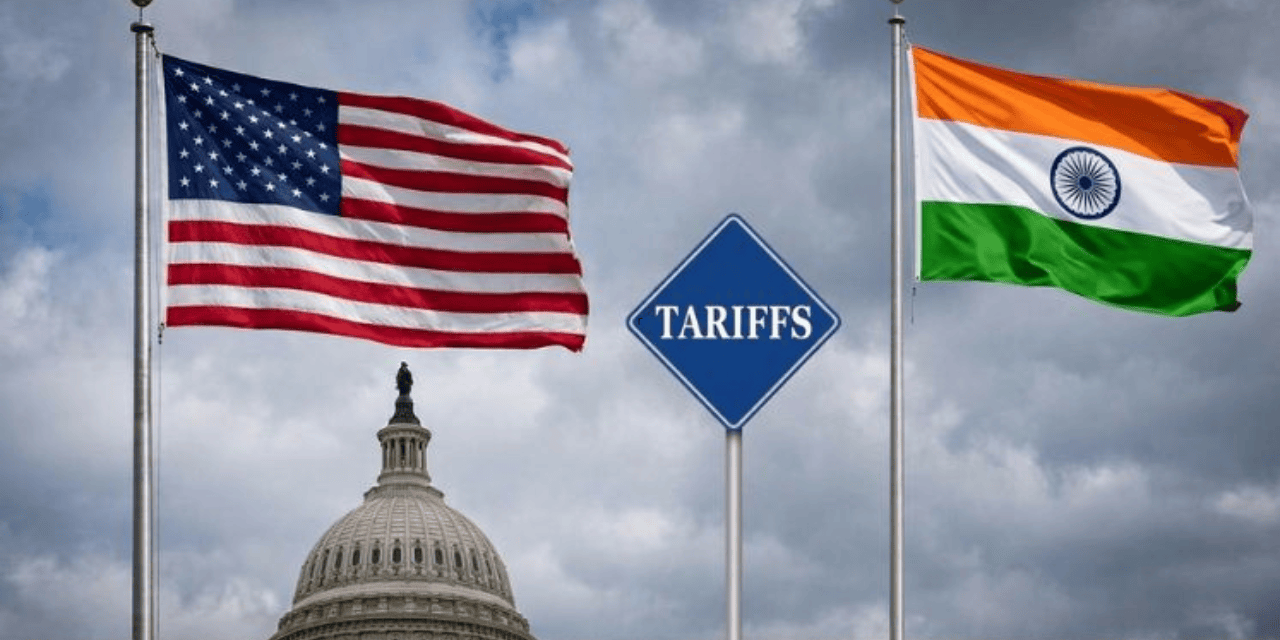
The Confederation of Indian Textile Industry (CITI) has expressed concern over the United States’ decision to impose a 10% tariff on Indian goods following investigations conducted under Section 301 by the Office of the US Trade Representative (USTR) regarding the enforcement of prohibitions on imports of goods produced with forced labour.
CITI Chairman Ashwin Chandran said the tariff is particularly significant because it has no specified expiry date, creating uncertainty for exporters and raising potential reputational concerns for India’s textile and apparel industry.
He urged the Government of India to engage with the US authorities, stating that the measure could adversely affect India’s textile and apparel exports to one of its largest overseas markets.
Concerns Over Competitive Disadvantage
According to Chandran, while several competing textile-exporting countries are also subject to the Section 301 tariff, the United States has introduced a mechanism that could allow exports from some of these countries to avoid the additional duty under specific conditions.
As outlined in the US Federal Register notice, Bangladesh, Cambodia, Indonesia and Malaysia will qualify for Tariff-Rate Quotas (TRQs) for an initial period of three years. These quotas are intended to encourage the use of US textile inputs and permit a specified volume of textile and apparel products from these countries to enter the US market without the additional Section 301 tariff.
CITI believes this differential treatment could shift sourcing decisions away from India towards competing exporting nations that benefit from the TRQ mechanism.
Impact on Textile Supply Chains
Chandran also cautioned that the tariff may affect India’s exports of intermediate textile products supplied to manufacturers in other countries.
The United States remains India’s largest export destination for textiles and apparel, with annual exports typically valued at around US$11 billion, making the sector particularly sensitive to changes in US trade policy.
Industry Highlights Compliance Measures
Reaffirming the industry’s commitment to ethical manufacturing, Chandran said India’s textile and apparel sector operates within a robust legal and institutional framework that prohibits forced labour and follows a zero-tolerance approach supported by established compliance and enforcement mechanisms.
He also highlighted recent policy initiatives by the Government of India, including the Directorate General of Foreign Trade’s (DGFT) notification issued on July 13, which introduced provisions under the Foreign Trade Policy (FTP) relating to the prohibition of imports produced using forced labour.
In addition, he noted that India has implemented four Labour Codes aimed at strengthening labour protections and improving workers’ rights across industries.
CITI has called for continued dialogue between the Indian and US governments to address the issue and help safeguard the competitiveness of India’s textile and apparel exports in the global marketplace.