
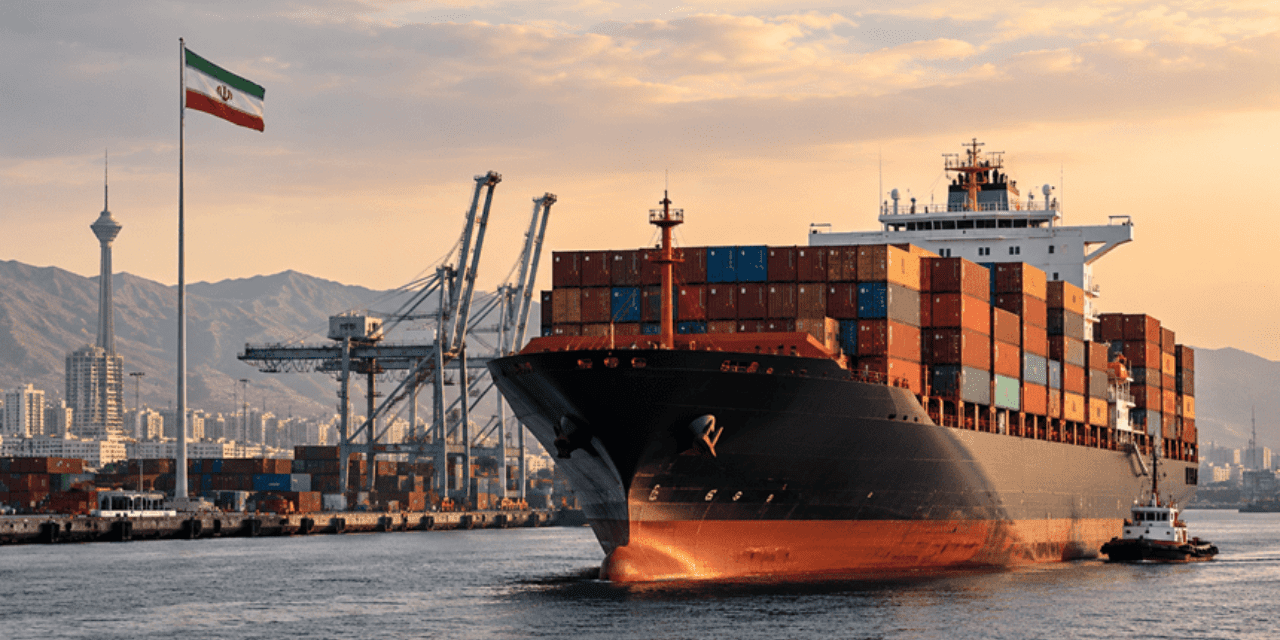
Freight markets remain firm despite hopes of easing Middle East shipping disruptions
Global container spot freight rates continued their upward trajectory this week, extending a rally that began in early May as shipping lines benefited from an early peak season and ongoing disruptions linked to tensions in the Middle East.
According to the latest assessment from supply chain analytics firm Drewry, its World Container Index increased by 3% to $3,549 per 40-foot container, marking the sixth consecutive week of gains. While the pace of increases has slowed compared to earlier weeks, freight rates remain elevated across key trade routes.
The latest rise was primarily driven by higher pricing on trans-Pacific routes, where carriers have maintained tight capacity management and implemented multiple general rate increases. Stronger-than-anticipated cargo demand and an early start to the peak shipping season have continued to support market conditions.
Rates from Shanghai to New York and Shanghai to Los Angeles recorded additional gains during the week, while Asia-Europe routes also remained at elevated levels. Shipping lines have continued to apply Freight All Kinds (FAK) rates, emergency fuel surcharges and peak-season charges introduced after hostilities escalated in the Middle East.
Diplomatic Progress Sparks Market Attention
Industry attention has increasingly shifted toward developments surrounding the Strait of Hormuz, a strategic maritime route that handles approximately one-fifth of the world’s oil supply.
Reports indicate that negotiators from the United States and Iran are working toward a memorandum of understanding that could facilitate the reopening of the strait and establish a broader ceasefire framework. Proposed measures reportedly include sanctions relief, energy export provisions and maritime access arrangements.
While discussions appear to be progressing, officials have emphasized that a final agreement has not yet been reached, and several critical details remain under negotiation.
The prospect of improved regional stability has already impacted energy markets. Brent crude oil prices have retreated significantly from earlier highs as traders anticipate the possible resumption of normal shipping and energy flows through the region.
Shipping Industry Remains Cautious
Despite growing optimism, container carriers remain cautious about the near-term outlook.
Shipping companies continue to face elevated operating expenses, including higher fuel costs, insurance premiums and network disruptions. Many carriers have retained war-related surcharges while awaiting greater clarity regarding security conditions and navigation protocols in Gulf waters.
Industry analysts note that even if a formal agreement is reached, a full normalization of shipping operations is unlikely to happen immediately. Vessel traffic through the Strait of Hormuz remains below pre-conflict levels, and carriers are expected to seek evidence of sustained stability before restoring services and removing emergency surcharges.
Demand and Geopolitics Continue to Shape Freight Markets
For importers and exporters, freight market dynamics remain influenced by a combination of strong seasonal demand and geopolitical developments. Carrier capacity discipline and robust cargo volumes continue to support elevated freight rates, while the possibility of a Hormuz reopening could eventually lower fuel expenses and reduce some of the supply chain pressures that have contributed to higher transportation costs in recent months.
As global trade participants monitor both demand trends and diplomatic negotiations, freight markets are expected to remain sensitive to developments in the Middle East and broader economic conditions in the months ahead.