Kitchen design is moving toward a calmer, more flexible look for Fall 2026. Designers are focusing on spaces that can adapt to everyday life while still making a strong visual statement.
The latest ideas emerging from EuroCucina in Milan point to four key directions: disappearing kitchens, reflective surfaces, organic textures and split-level islands.
1. Disappearing Kitchens
Open-plan kitchens are becoming easier to hide. Designers are using pocket doors, sliding panels and bespoke cabinetry to conceal appliances, sinks and worktops when they are not needed.
This approach creates a cleaner appearance without sacrificing functionality. Timber doors, painted cabinetry and integrated storage can make a working kitchen almost disappear into the surrounding architecture.
For smaller homes, the trend is particularly useful. Concealed kitchens can make compact spaces feel more organised and spacious.
2. Reflective Surfaces
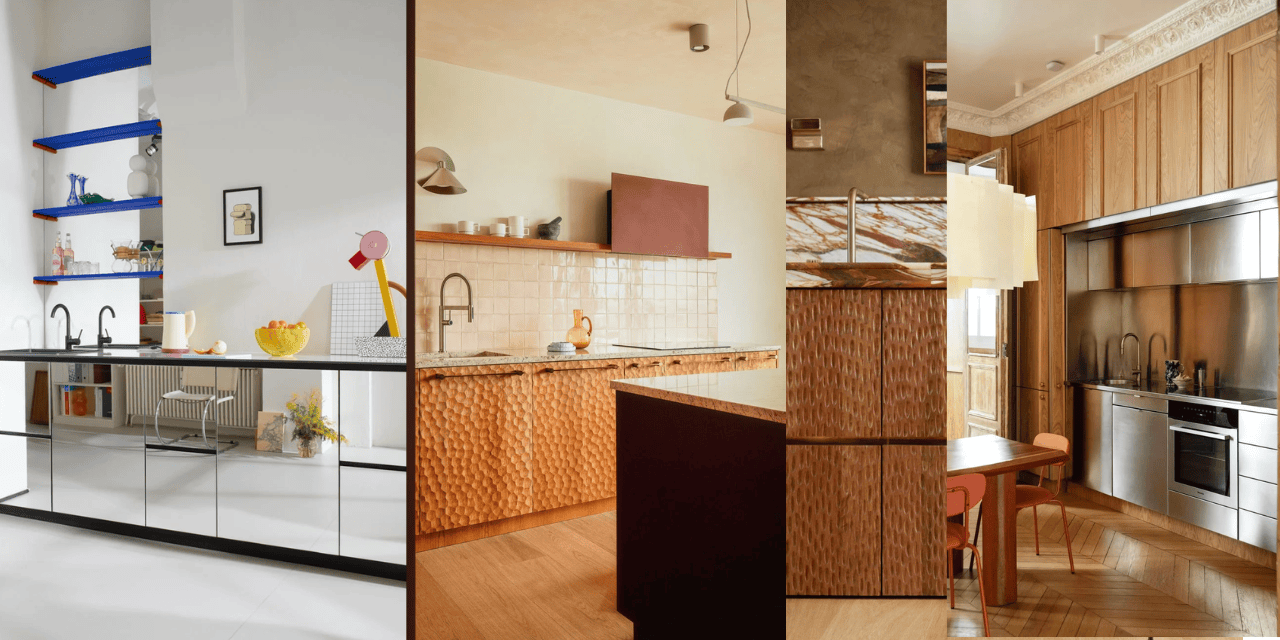
Reflective materials are also gaining attention. Mirrored cabinetry, polished stainless steel and glossy finishes can bounce light around a room and create the impression of greater space.
Designers are using these surfaces on islands, cabinet fronts and splashbacks. The result can feel both contemporary and visually lighter.
For homeowners who want a statement kitchen, reflective finishes offer a way to introduce drama without relying on excessive decoration.
3. Organic Texture
Texture is becoming an important part of modern kitchen design. Instead of relying solely on colour, designers are introducing tactile materials that add depth and character.
Hammered timber, hand-carved wood, textured laminates, natural stone and Venetian plaster are being combined to create richer interiors.
The key is balance. A heavily textured cabinet can work well alongside smoother stone, ceramic or metal surfaces. This contrast keeps the kitchen interesting without making it feel overwhelming.
4. Split-Level Islands
Kitchen islands are becoming more multifunctional. Split-level designs combine preparation areas with dining or seating zones, helping families and guests spend more time together.
A raised or lowered section can create a clear distinction between cooking and socialising. It can also make better use of large open-plan rooms.
Designers are pairing different materials and colours across these levels to give the island a sculptural quality.
What These Trends Mean for Homeowners
The biggest shift for Fall 2026 is toward kitchens that work harder while looking calmer. Concealed storage keeps clutter under control, reflective surfaces enhance light, tactile materials add warmth, and split-level islands encourage social interaction.
Together, these ideas suggest that the modern kitchen is no longer just a place for cooking. It is becoming a flexible part of the home that can change with the way people live.
For anyone planning a renovation, these trends offer practical inspiration as well as strong visual appeal.