
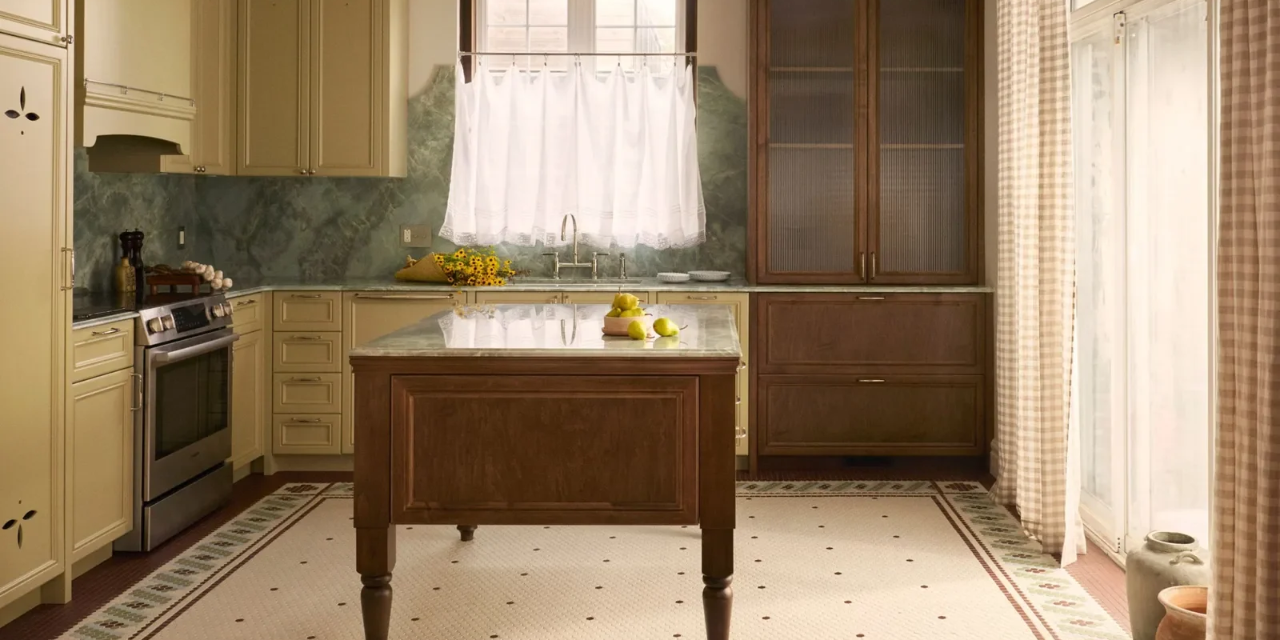
Furniture-style kitchen islands with decorative wooden legs are emerging as a distinctive interior design trend. Inspired by antique furniture and traditional woodworking, the design brings warmth, craftsmanship and character to modern kitchens while creating a lighter visual appearance.
As homeowners move beyond ultra-modern kitchen designs, traditional details are gaining renewed attention. Decorative timber legs, natural materials and handcrafted finishes are helping kitchens feel more personal and welcoming.
Unlike bulky kitchen islands with solid cabinetry, this design features turned wooden legs, tapered profiles and detailed mouldings. These elements give the island the appearance of a freestanding furniture piece rather than a conventional kitchen unit.
Why Furniture-Style Kitchen Islands Are Trending
Designers appreciate this style for its nostalgic appeal and ability to introduce character into contemporary interiors.
Annie Burrows of Blakes London used decorative timber legs in a kitchen designed to create a welcoming family space. The design drew inspiration from traditional dining furniture and the role of the kitchen as a central gathering place.
Similarly, designer Chloe Goldberg of Studio No. 33 highlights the importance of originality. Furniture-inspired details help distinguish kitchens from repetitive modern designs while creating a more personalised atmosphere.
Designer Sabrina Barazin also explored this approach while renovating a 1932 Arts and Crafts home. She designed the island as a freestanding piece with deep drawer fronts and four turned-oak legs. The design helped restore the traditional character of the property.
Benefits of Decorative Wooden Legs in Kitchen Islands
Furniture-style legs offer several practical and visual advantages.
A lighter appearance: Unlike solid cabinetry, decorative legs allow light and flooring to remain visible underneath the island. This creates a more open appearance, particularly in smaller kitchens.
More character: Turned timber, tapered legs and reeded detailing introduce craftsmanship and decorative interest.
A furniture-inspired look: Freestanding islands create a relaxed atmosphere and make kitchens feel more connected to living and dining spaces.
Greater design flexibility: Homeowners can combine different furniture styles, materials and finishes to create distinctive interiors.
How to Style Furniture-Style Kitchen Islands
Furniture-style kitchen islands can complement several interior styles, including traditional, Shaker, mid-century and transitional kitchens.
The choice of leg design plays an important role. Simple tapered legs create a subtle appearance, while turned timber, reeding and decorative mouldings introduce a more traditional character.
Material selection also influences the overall look. Natural wood, marble and stone create a balanced combination of warmth and texture. Painted finishes and metal details can also provide contemporary alternatives.
Designers recommend choosing complementary colours and finishes rather than allowing individual materials to compete for attention. Distinctive flooring, including patterned tiles and mosaic designs, can further enhance the furniture-inspired appearance.
A Timeless Approach to Modern Kitchen Design
Furniture-style kitchen islands also work well in open-plan homes. Their freestanding appearance creates a visual connection between kitchens, dining areas and living spaces.
By combining traditional woodworking details with contemporary functionality, this design offers an alternative to conventional fitted kitchen islands. It also reflects growing interest in craftsmanship, natural materials and interiors that feel collected over time.
As homeowners seek more individual and welcoming spaces, decorative wooden legs offer a thoughtful way to bring heritage-inspired design into modern kitchens.