GHCL Textiles Accelerates Value Chain Expansion with Fabrics, Sustainability and Growth Investments
Company strengthens forward integration strategy with investments in fabric manufacturing, renewable energy and value-added textile solutions
GHCL Textiles Limited is accelerating its transformation from a leading yarn manufacturer into an integrated textile solutions provider through significant investments in fabric manufacturing, processing, renewable energy and value-added products. Following its demerger as an independent listed company in 2023, the company is pursuing a long-term strategy focused on forward integration, operational excellence and sustainable growth.
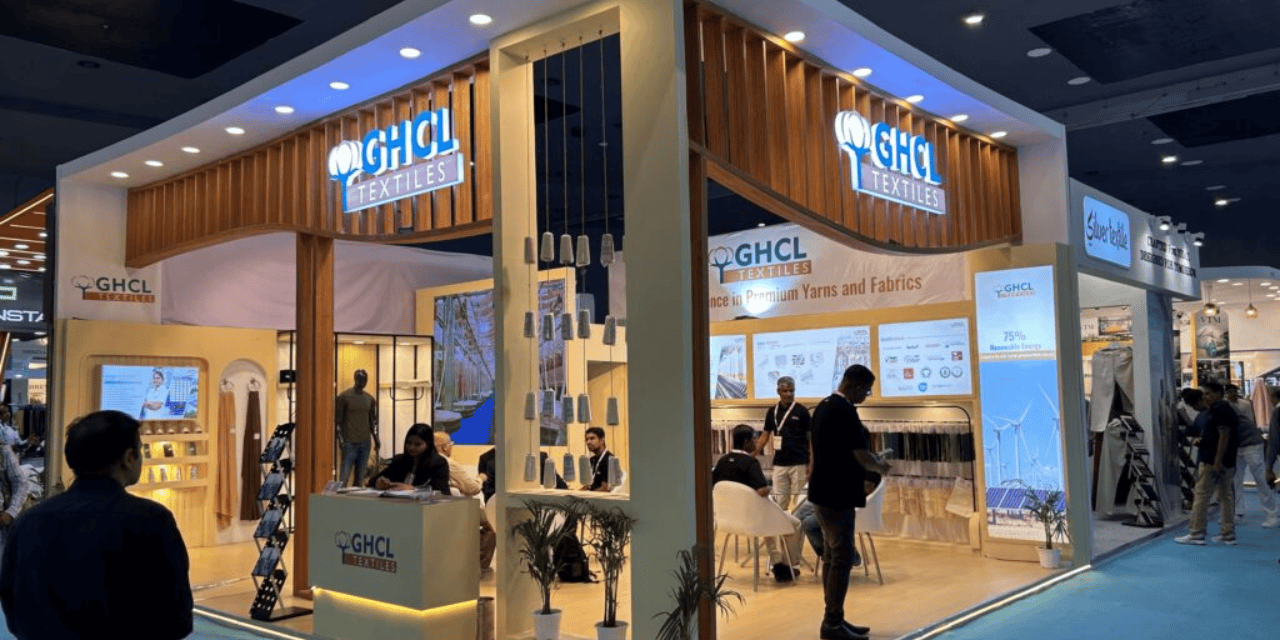
Speaking to The Textile Magazine during Bharat Tex 2026, Mr. Marshal Sonavane, Chief Executive Officer, GHCL Textiles Limited, outlined the company’s roadmap to strengthen its presence across the textile value chain by expanding beyond spinning into knitted and woven fabrics, processing and ready-to-cut fabric solutions for global apparel brands.
Expanding Beyond Spinning
GHCL Textiles has built its reputation as one of India’s leading yarn manufacturers with a diversified portfolio serving domestic and international markets. The company’s strategic focus is now shifting toward becoming a comprehensive fabric solutions provider.
“Our objective is to become a preferred ready-to-cut fabric supplier for global brands,” Mr. Sonavane said, noting that fabrics have become a key pillar of the company’s future growth strategy.
This transition reflects changing sourcing preferences among global buyers, who increasingly seek integrated manufacturing partners capable of delivering quality, consistency, innovation and sustainability under one roof.
Building Scale Across Manufacturing
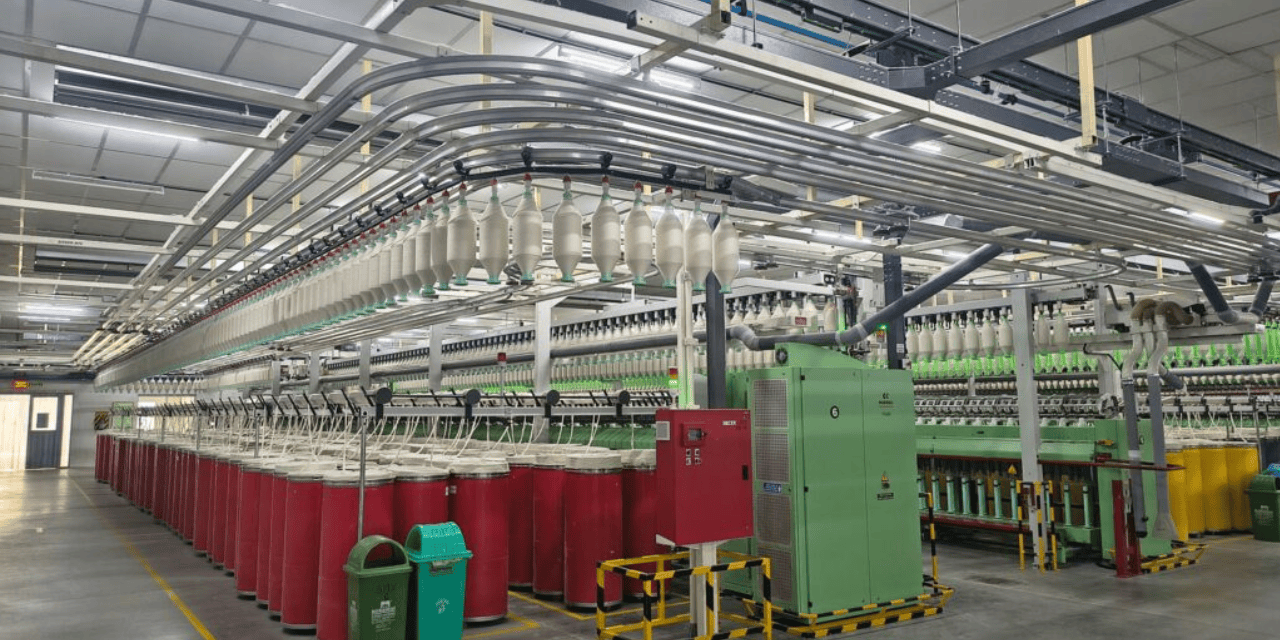
The company currently operates approximately 2.25 lakh spindles, supported by 3,320 rotors, 5,760 TFO spindles, Airjet spinning technology and expanding knitting infrastructure.
Its spinning portfolio covers cotton counts ranging from 20s to 140s, processing a wide range of premium fibres including Indian, Australian, Egyptian, Pima, Brazilian and West African cotton, along with blends incorporating polyester, TENCEL™, modal, viscose and other specialty fibres.
GHCL manufactures ring-spun, open-end, TFO and Airjet yarns while steadily increasing its woven and knitted fabric production.
The company’s woven fabric division currently produces nearly 20 lakh metres per month, while knitting has emerged as one of its fastest-growing business segments.
Forward Integration Drives Growth
GHCL entered the knitting segment three years ago through a job-work model before investing in its own manufacturing infrastructure.
The company now produces approximately 300 tonnes of knitted fabrics every month and has installed 40 advanced knitting machines sourced from European and Japanese manufacturers.
Once fully operational, the in-house knitting facility is expected to achieve a production capacity of 450–500 tonnes per month.
The next phase of expansion includes a ₹350 crore investment programme aimed at strengthening fabric manufacturing and establishing comprehensive processing facilities capable of delivering fully processed, ready-to-cut fabrics.
According to Mr. Sonavane, processing will represent the next major milestone in GHCL’s transformation into a vertically integrated textile manufacturer.
₹1,000 Crore Investment Programme
The company’s transformation is supported by investments exceeding ₹1,000 crore, with approximately ₹600 crore already deployed across capacity expansion, modernisation and value-added manufacturing.
Recent investments include:
- Commissioning 25,000 additional spindles
- Installation of 15 knitting machines
- Expansion of renewable energy infrastructure
- Modernisation of manufacturing facilities
- Capacity enhancement across business operations
According to the company’s latest annual report, fabrics now contribute 11.7% of total revenue, reflecting the progress of its forward integration strategy.
Sustainability at the Core
Sustainability remains central to GHCL’s long-term growth strategy.
The company currently operates approximately 76 MW of renewable energy, enabling nearly 75% of its electricity requirements to be met through green energy sources. GHCL aims to further increase renewable energy utilisation to between 75% and 80% of total power consumption.
Beyond renewable energy, the company continues to strengthen productivity, waste reduction, worker safety, hygiene and supply chain reliability as part of its broader operational excellence initiatives.
Mr. Sonavane also highlighted the contribution of GHCL’s predominantly women-driven workforce, noting that it supports operational discipline, lower absenteeism and consistent product quality.
Customer-Centric Value Creation
Rather than competing solely on pricing, GHCL has positioned itself as a long-term solutions partner focused on reliability and quality.
Its expanding portfolio now includes specialty yarns such as GIZA, SUPIMA, Australian cotton, TENCEL™, viscose and recycled PET yarns alongside woven and knitted fabrics tailored to customer-specific requirements.
The company continues to build long-term relationships with customers across domestic and export markets by focusing on dependable supply, sustainable manufacturing and product consistency.
Positive Outlook for Indian Textiles
GHCL remains optimistic about the outlook for India’s textile sector, citing improving global demand, expanding Free Trade Agreements (FTAs), the development of PM MITRA Parks and continued government support for manufacturing.
According to Mr. Sonavane, the industry has emerged stronger after several challenging years by continuing to invest in technology, modernisation and innovation.
With ongoing investments in manufacturing, renewable energy, processing and value-added textile solutions, GHCL believes it is well positioned to capitalise on the next phase of growth in both domestic and international markets.
The company’s strategy reflects a broader industry trend toward integrated, sustainable and innovation-led manufacturing as global buyers increasingly seek partners capable of delivering complete textile solutions across the value chain.