IInvenTiv 2026 Opens at IIT (ISM) Dhanbad to Accelerate India’s Deep-Tech Innovation Ecosystem
IInvenTiv 2026 commenced at the Indian Institute of Technology (Indian School of Mines) Dhanbad, positioning itself as a key national platform supporting Bharat Innovates 2026. The two-day research and development fair aims to connect academia, industry, startups, investors, and policymakers to accelerate the commercialization of Indian technologies and strengthen the country’s deep-tech innovation ecosystem.
Aligned with the national initiatives Atmanirbhar Bharat and Make in India, the event focuses on transforming research into scalable, market-ready technologies while creating opportunities for global partnerships, investment, and international market access.
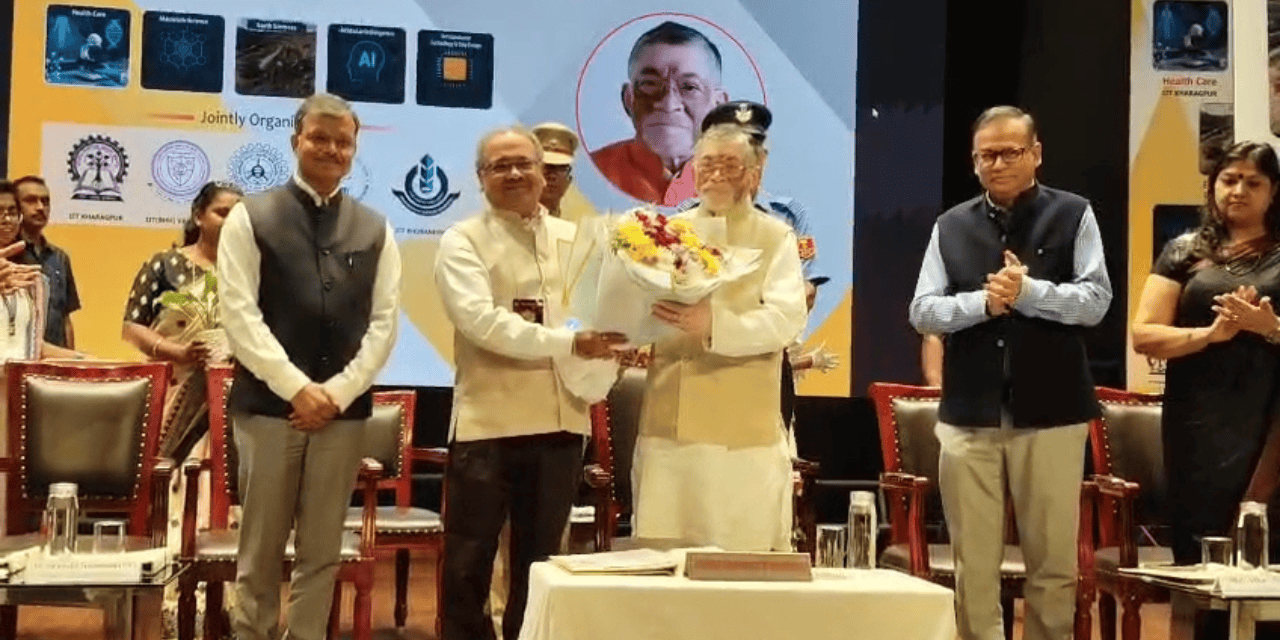
The inaugural ceremony was led by Shri Santosh Kumar Gangwar, Hon’ble Governor of Jharkhand, as Chief Guest. Guests of Honour included Shri Athar Shahab, Managing Director of Zuari Industries Limited; Ms. Vaishali Nigam Sinha, Co-Founder of ReNew; Shri Sandeep Kumar, Vice President of Tata Steel; and Dr. Sunil K. Barnwal (IAS), CEO of the National Health Authority.
Research and Industry Leaders Discuss Commercialisation
A high-level Roundtable on Research, Development and Innovation (RDI) brought together directors from IITs, NITs, premier academic institutions, venture capitalists, and industry leaders. Discussions centred on strengthening innovation pipelines, expanding industry-academia collaboration, and accelerating the transition of research into commercially deployable technologies.
Welcoming delegates, Prof. Sukumar Mishra, Director of IIT (ISM) Dhanbad, said the event demonstrates the institute’s commitment to converting research into practical solutions by creating a collaborative platform for academia, industry, startups, and investors.
Addressing the gathering, Governor Santosh Kumar Gangwar described IInvenTiv 2026 as an important platform supporting India’s innovation-driven future. He highlighted the country’s progress in sectors including artificial intelligence, healthcare, semiconductors, and advanced materials while encouraging researchers and students to develop technologies that contribute to the vision of a developed India by 2047.
Focus on Sustainability and Industrial Innovation
Ms. Vaishali Nigam Sinha, Co-Founder of ReNew, highlighted the growing importance of innovation in supporting climate action and India’s clean energy transition. She noted that the ReNew Centre of Excellence will contribute to skill development and promote inclusive growth, particularly in regions dependent on coal-based industries.
Shri Sandeep Kumar, Vice President of Tata Steel, emphasised the importance of curiosity-driven research and stronger collaboration between academia and industry to develop scalable industrial solutions.
Dr. Shirshendu Mukherjee, Managing Director of the Wadhwani Innovation Network, underlined the need to convert scientific research into practical societal impact through integrated innovation and entrepreneurship.
Shri Athar Shahab, Managing Director of Zuari Industries Limited, stressed the importance of strengthening indigenous manufacturing capabilities and reducing dependence on imported industrial technologies.
Meanwhile, Dr. Sunil K. Barnwal, CEO of the National Health Authority, highlighted India’s expanding digital healthcare ecosystem under Ayushman Bharat and the Ayushman Digital Mission, noting the growing role of artificial intelligence in predictive and preventive healthcare.
Two Centres of Excellence Inaugurated
A major highlight of the event was the inauguration of two new Centres of Excellence.
The ReNew Centre of Excellence has been established to support India’s transition from coal-based economies towards sustainable and green development by providing skill development and livelihood opportunities.
The Wadhwani Innovation Network Centre of Excellence on Critical Minerals will focus on research, innovation, and capacity building across the critical minerals value chain, supporting India’s ambitions in clean energy, advanced manufacturing, and strategic resource development.
Technology Showcase Features Over 150 Innovations
The event also introduced dedicated Technology Demonstration Zones featuring more than 150 innovations across multiple sectors, including:
- Artificial Intelligence
- Healthcare Technologies
- Semiconductor Technology
- Material Sciences
- Earth Sciences
The exhibition highlights India’s growing capabilities in deep-tech innovation and commercialization.
Five Plenary Sessions Explore Emerging Technologies
The opening day featured five technical plenary sessions covering major strategic sectors.
The Semiconductor Technology and Chip Design session examined India’s efforts to build domestic semiconductor capabilities through policy support, talent development, and supply chain integration.
The Artificial Intelligence session discussed AI applications across infrastructure, energy, and digital systems while addressing responsible AI deployment and investment opportunities.
The Material Sciences session explored advanced materials, sustainable manufacturing, and global collaboration to accelerate commercialization.
The Healthcare Innovations session focused on biotechnology, digital health ecosystems, and scalable healthcare delivery supported by public digital infrastructure.
The final session on Earth Sciences examined sustainable mining, advanced exploration technologies, and resource management strategies balancing economic development with environmental sustainability.
The first day concluded with a fireside discussion involving venture capitalists, offering insights into startup investment trends and global market expansion.
Day Two to Focus on Startup Investment and Industry Partnerships
The second day will feature Academia-to-Business (A2B) matchmaking, startup pitching sessions, discussions on innovation ecosystems, and digital public infrastructure, concluding with a roadmap for advancing India’s innovation ecosystem.
As a precursor to Bharat Innovates 2026, IInvenTiv 2026 aims to identify promising technologies with commercial potential and strengthen India’s position as a global hub for deep-tech innovation, entrepreneurship, and industry collaboration.