

India’s apparel industry is at a pivotal stage as global brands diversify sourcing strategies and increasingly seek reliable, competitive and sustainable manufacturing partners. With strong textile capabilities, a large workforce, cost competitiveness and growing government support, India has the opportunity to strengthen its position as a leading global apparel sourcing destination.
However, unlocking this potential will require the industry to move beyond its existing strengths and develop a more integrated, innovation-driven manufacturing ecosystem.
India Has Strong Foundations for Apparel Manufacturing
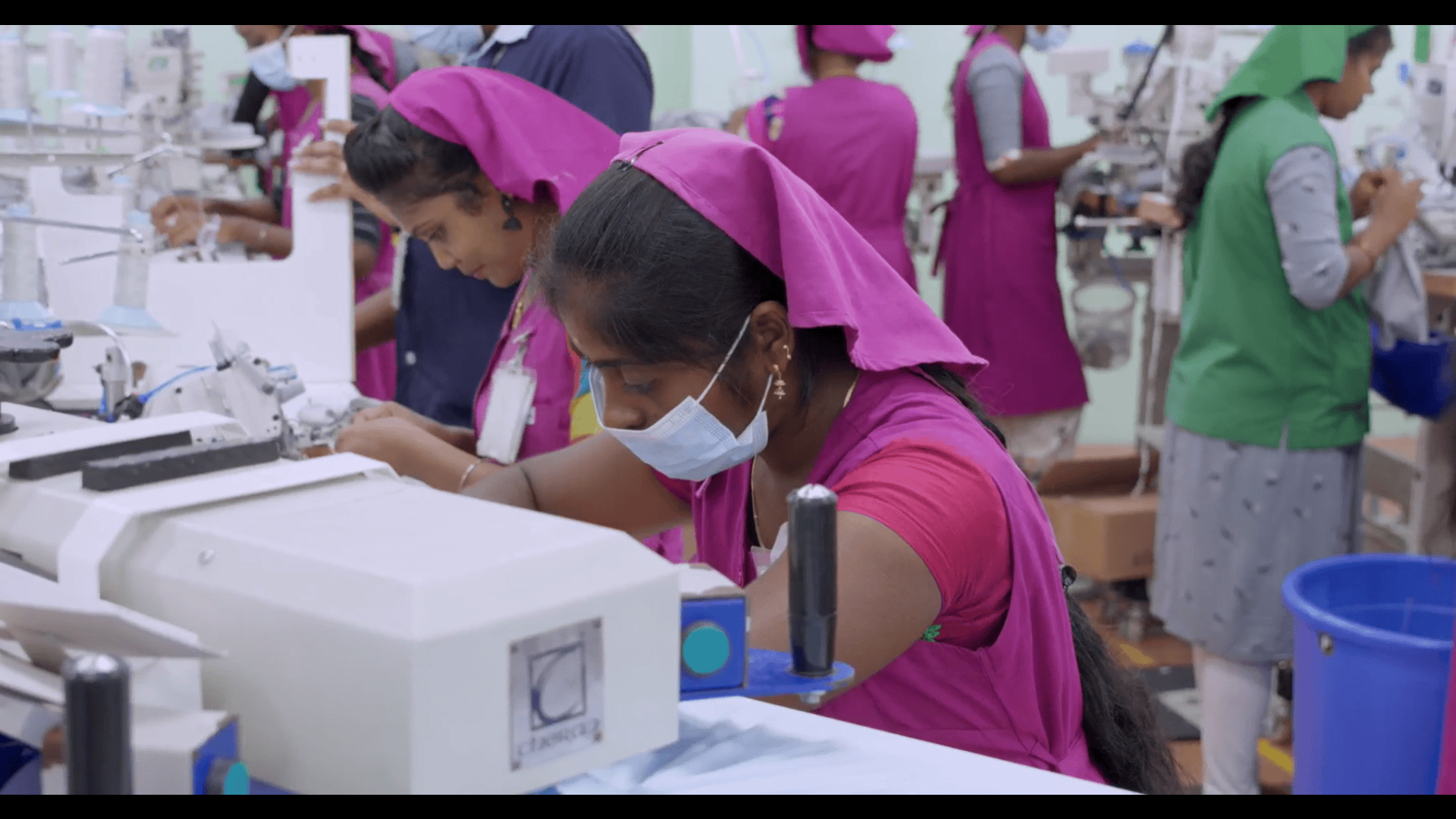
India has established itself as a competitive apparel manufacturing hub with capabilities spanning knits, wovens, high-end synthetic activewear and sportswear. A strong fibre and fabric manufacturing base, particularly in hubs such as Gujarat, provides an important foundation for further sector expansion.
The availability of skilled and abundant labour, competitive manufacturing costs and government-backed apparel parks further strengthen India’s position in the global textile and apparel landscape.
Yet, global sourcing requirements are changing rapidly. Brands are increasingly looking for manufacturing partners capable of offering faster speed-to-market, continuous product innovation, transparent supply chains and strong sustainability and compliance standards.
Greater vertical integration within India is therefore becoming increasingly important.
Integrated Manufacturing Ecosystems Can Improve Competitiveness
According to Kam Raghavan, India needs to accelerate the development of integrated manufacturing ecosystems to compete more effectively with established apparel manufacturing powerhouses such as China, Vietnam and Bangladesh.
An incubator-style manufacturing ecosystem, where fabrics, trims, packaging, logistics, machinery servicing and other supporting services are located close to manufacturing facilities, could significantly improve operational efficiency.
Such clusters can reduce lead times, streamline supply chains and lower logistics costs while enabling manufacturers to respond more quickly to changing market requirements.
Greater integration would also help create an environment where manufacturers, suppliers and technology providers can collaborate on product development and innovation.
Synthetic Fabric Supply Remains a Key Challenge
One of the immediate areas requiring attention is domestic synthetic fabric production. India currently faces gaps in its synthetic fabric supply chain and continues to rely on imports for certain materials.
Import dependence can increase production lead times and add duties and inbound logistics expenses, affecting the competitiveness of Indian apparel manufacturers.
Targeted investments in domestic synthetic fabric capabilities could therefore help strengthen supply chain resilience, reduce dependence on imports and support the expansion of India’s activewear, sportswear and performance apparel segments.
Technology and Innovation Must Become Core Priorities
Technology adoption is another critical factor that will determine India’s ability to compete globally.
Advanced manufacturing technologies, modern production processes and continuous product innovation can help manufacturers improve productivity, quality, flexibility and speed-to-market. However, many companies continue to operate with legacy processes that can restrict efficiency and innovation.
For manufacturers operating on thin margins, technology investments can often be difficult to prioritise. Nevertheless, innovation and technology adoption are increasingly becoming strategic necessities rather than optional investments.
Building technology into long-term manufacturing strategies will be essential for Indian companies seeking to compete in an increasingly demanding global marketplace.
Winning in India Can Strengthen Global Competitiveness
For MAS Holdings in India, global competitiveness is closely linked to the ability to succeed in the domestic market.
India’s expanding consumer market presents a significant opportunity for apparel manufacturers. Rising income levels are creating increasingly aspirational consumers who are willing to spend more on quality products.
At the same time, consumer interest in products carrying the “Made in India” label is strengthening. These trends can provide manufacturers with a strong domestic foundation while helping them develop products, processes and manufacturing models that can subsequently be scaled for international markets.
Innovation and technology that enable efficient and cost-effective manufacturing for the Indian market can potentially be leveraged for export markets, where manufacturers can access additional growth opportunities.
Government-Industry Collaboration Will Be Critical
Building a globally competitive apparel ecosystem will also require close collaboration between industry and government.
Coordinated efforts across infrastructure development, innovation, sustainability, workforce development, trade facilitation and ease of doing business will be essential for the industry’s next phase of growth.
India’s progress on multiple Free Trade Agreements (FTAs), along with initiatives such as the PM MITRA Parks, can play an important role in developing integrated manufacturing ecosystems and improving India’s position in global apparel sourcing.
India’s Global Apparel Opportunity
India has many of the fundamental ingredients required to emerge as one of the world’s most competitive apparel manufacturing destinations. However, the next stage of growth will depend on how effectively the country addresses supply chain gaps and embraces technology, innovation and vertical integration.
Strengthening domestic synthetic capabilities, creating collaborative manufacturing clusters, investing in advanced technologies and leveraging both domestic demand and international opportunities can help India build a more resilient and globally competitive apparel industry.
As global brands continue to diversify sourcing and prioritise supply chain resilience, India has a significant opportunity to establish itself as a preferred long-term sourcing and manufacturing hub.
By Kam Raghavan, Chief Commercial Officer, MAS Holdings India


