
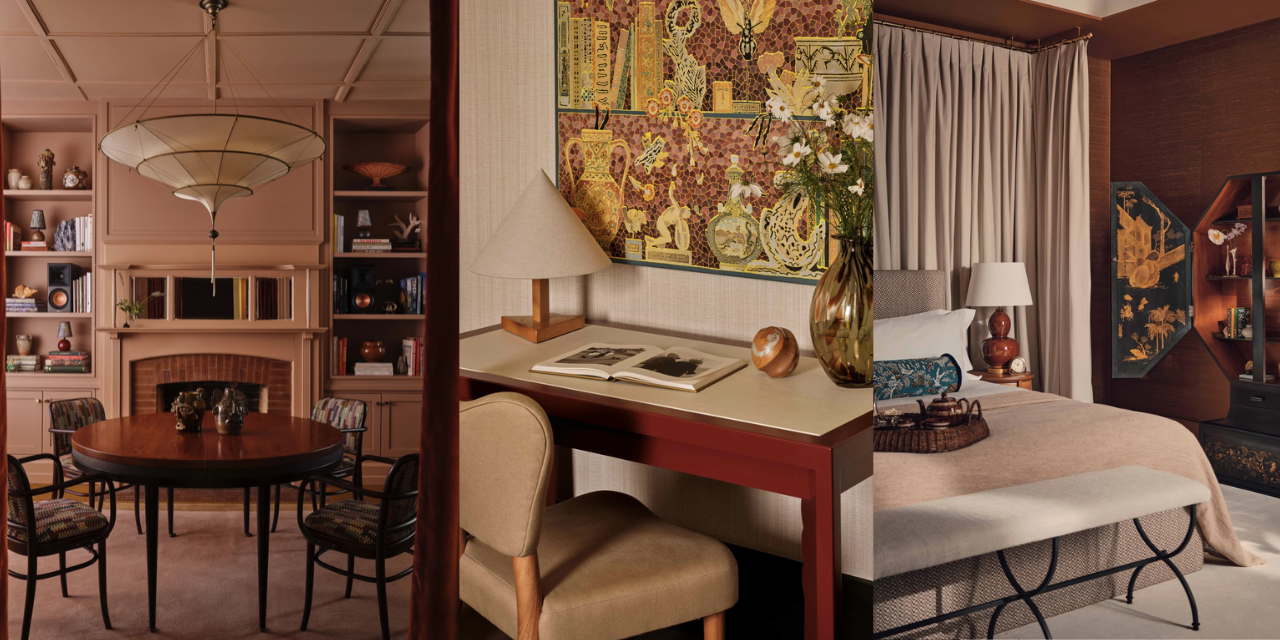
Interior Design Trends 2027 are shifting towards personalised spaces, expressive colours and distinctive materials. Leading interior designers expect homeowners to move beyond standard neutral interiors and embrace designs that reflect individual tastes, lifestyles and experiences.
According to designers featured by Elite Traveler, the coming year will bring renewed interest in antiques, decorative arts, bespoke furniture and craftsmanship. Rather than starting from scratch, homeowners are increasingly looking to combine existing pieces with contemporary designs.
Personalised Interiors and Vintage Furniture
Individuality is expected to become a major influence on residential interiors in 2027. Designers anticipate greater demand for antiques, collectible furniture and decorative accessories.
Katharine Pooley expects clients to favour curated rooms that combine different design periods. Similarly, Charu Gandhi, founder of Elicyon, highlights the growing connection between interior design, art and collectible pieces.
Combining vintage furniture with contemporary designs can create distinctive spaces. This approach also encourages homeowners to invest in unique pieces rather than follow standard luxury trends.
Warmer Colours and Layered Palettes
Colour trends are moving beyond cool neutrals towards richer and more expressive combinations. Designers expect tobacco brown, aubergine, oxblood, terracotta, dusty lilac and muddy green to gain attention.
Warm ochres, yellows and earthy reds are also expected to influence residential colour schemes. Meanwhile, softer blues and lavenders will complement these deeper shades.
Katharine Pooley also anticipates increased use of red, terracotta and rust across entire rooms. These shades are expected to create warmer and more inviting interiors.
Maximalism is another emerging direction. Layered patterns, stripes, textured fabrics and collected decorative pieces will bring more personality to living spaces.
Natural Materials and Decorative Finishes
Material selection will play an important role in Interior Design Trends 2027. Richly grained wood, decorative veneers, silk, mohair, coloured glass and natural stone are expected to feature prominently.
Designers are also exploring ceramics, aged metals, terrazzo and plaster finishes. These materials offer distinctive textures and develop character over time.
Decorative details such as marquetry, high-gloss lacquer and intricate metalwork are also gaining attention. Moroccan zellige tiles, particularly in glossy green and earthy shades, are expected to add visual interest.
Polished chrome, nickel and silver finishes may also become more popular. These metals will offer an alternative to the warmer metallic finishes used in recent interiors.
Minimalism Returns with a Personal Touch
While maximalism is gaining popularity, some designers expect renewed interest in minimal interiors.
Glenn Pushelberg, co-founder of Yabu Pushelberg, predicts a return to less-is-more design, describing it as “less with soul”. This approach focuses on cleaner spaces with meaningful details and atmospheric elements.
The direction suggests that both minimalism and maximalism will remain relevant. However, designers are placing greater importance on individuality rather than following a single visual style.
Wellness and Sensory Interior Design
Interior design is increasingly focusing on how people experience their homes. Lighting, textures, acoustics and indoor environments are becoming important design considerations.
Bedrooms are evolving into personal spaces for reading, listening to music and spending time with family. Bathrooms, meanwhile, are increasingly being designed as wellness-focused spaces.
Designers also expect greater attention to circadian lighting and improved indoor air quality. These features can support everyday comfort, wellbeing and concentration.
Sustainability and Material Reuse
Material longevity and reuse will also influence residential design in 2027. Designers are highlighting the importance of repurposing existing materials instead of replacing them unnecessarily.
Glenn Pushelberg points to the potential of giving materials such as basalt a new purpose in different environments. This approach encourages more thoughtful material selection and longer product lifecycles.
Overall, Interior Design Trends 2027 point towards more individual, expressive and experience-led homes. From vintage furniture and warm colour palettes to wellness-focused spaces and sustainable materials, the emphasis is shifting towards interiors that reflect the people living in them.