The global modern fabric market is projected to grow from US$588.0 billion in 2025 to US$1,104.5 billion by 2033, registering a CAGR of 8.2% between 2026 and 2033, according to a new market report. The market was valued at US$16.6 billion in 2024.
Growth is being supported by rising demand for high-performance textiles, expanding use of technical textiles, increasing adoption of sustainable fabrics, and broader applications across the apparel, automotive, healthcare and industrial sectors.
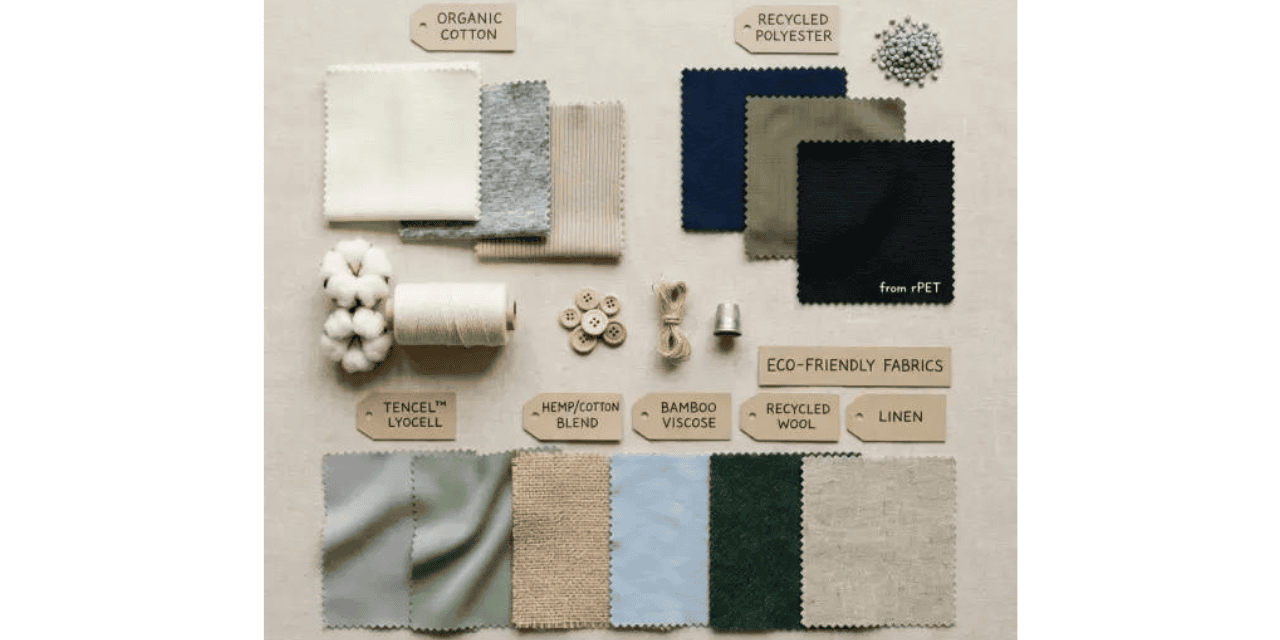
The report highlights growing demand for advanced textile solutions used in apparel, industrial textiles, automotive and transportation, healthcare, home décor and performance fabrics. Technologies such as recycled fibres, smart textiles, antimicrobial fabrics, flame-retardant materials, UV-resistant fabrics, water-resistant textiles and lightweight composite materials continue to expand product capabilities and application areas.
Increasing investments in recycled fibre technologies, bio-based materials, smart fabrics and advanced coating solutions are also supporting market growth, alongside rising demand for electric vehicle interiors, protective clothing, medical textiles and performance sportswear.
Asia-Pacific Leads Global Market
Asia-Pacific accounted for the largest share of the market, supported by its extensive textile manufacturing base and investments in advanced textile technologies across China, India, Japan and South Korea.
North America is expected to record the fastest growth, driven by increasing adoption of technical textiles, sustainable fabric solutions and demand from the healthcare, automotive, aerospace and industrial sectors.
Competitive Landscape
Key companies operating in the global modern fabric market include:
- Toray Industries
- Mitsubishi Chemical Group
- Lenzing AG
- Hyosung Corporation
- DuPont
- Teijin Limited
- Indorama Ventures
- Milliken & Company
- Asahi Kasei Corporation
- Kolon Industries
Competition is increasingly centred on material innovation, sustainability, advanced fibre technologies, production efficiency and application-specific performance.
Recent Industry Developments
Recent developments highlighted in the report include:
- June 2025: Rising demand across North America for sustainable and performance fabrics in sportswear, outdoor apparel and smart textiles.
- May 2025: Increased adoption of moisture-wicking, temperature-regulating and antimicrobial fabrics across healthcare, defence and industrial applications in the United States.
- Early 2026: Growing investments in recycled polyester, bio-based fibres and smart textile technologies across Europe and Asia-Pacific.
- July 2025: Expansion of advanced fabric manufacturing capacity to meet demand for technical textiles and sustainable fabrics.
Technology and Product Innovation
The report identifies several emerging technology trends, including:
- Smart and sensor-integrated fabrics for wearable technology.
- Bio-based and biodegradable textile materials.
- Nanotechnology-enhanced fabrics with improved durability and protection.
- Advanced recycling technologies supporting circular textiles.
- High-performance fabrics offering moisture management, heat resistance and antimicrobial properties.
Major manufacturers continue expanding their product portfolios through investments in technical textiles, sustainable fibres and functional fabric solutions.
Market Segmentation
The report segments the global modern fabric market by:
- Material: Synthetic fibres, natural fibres, recycled fibres and others.
- Production Process: Woven, non-woven, coated and others.
- Function: Water-resistant, UV-protection, antimicrobial, flame-retardant and others.
- Application: Apparel, industrial textiles, automotive & transportation, healthcare, home & décor and others.
Regional Share
- Asia-Pacific: 34%
- North America: 32%
- Europe: 27%
The report notes that increasing demand for sustainable textiles, technical fabrics and smart textile solutions is expected to continue driving market expansion over the forecast period.