
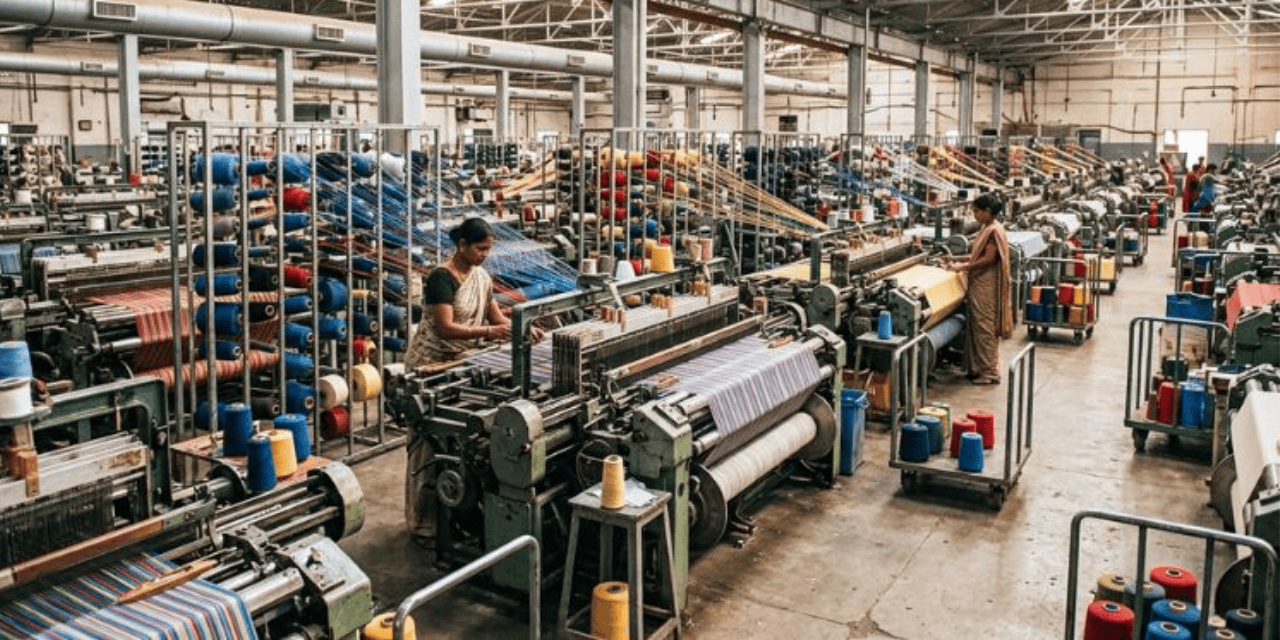
Namakkal Warns Powerloom Units Against Producing Handloom-Reserved Textiles
District administration stresses compliance with the Handlooms Reservation Act to protect traditional weavers and preserve the handloom sector.
The Namakkal district administration in Tamil Nadu has issued a strong warning to powerloom owners and weavers against manufacturing textile products reserved exclusively for the handloom sector under the Handlooms (Reservation of Articles for Production) Act, 1985.
District Collector L. Madhubalan stated that producing any of the 11 categories of textiles reserved for handloom production using powerlooms constitutes a violation of the law.
The reserved products include silk and cotton sarees with zari borders, dhotis with zari borders, towels and angavastrams, lungis, blankets, bedspreads, furnishing fabrics, jamakkalams, dress materials, woollen blankets, shawls, woollen tweed and chaddars.
Legal Action for Violations
The Collector warned that violations of the Act would invite legal action, with offenders liable to prosecution through the police.
Under the provisions of the Act, courts may impose:
- A fine ranging from ₹10,000 to ₹25,000 for each powerloom involved.
- Imprisonment for up to three months, or
- Both fine and imprisonment.
Protecting the Handloom Sector
According to the district administration, the legislation was introduced by the Union Government to safeguard the handloom industry and protect the livelihoods of traditional handloom weavers.
To ensure compliance, an Enforcement Wing has been functioning under the office of the Assistant Enforcement Officer in Tiruchengode since 1998, monitoring production activities and enforcing the provisions of the Act.
The Collector urged all powerloom operators and weavers to familiarise themselves with the provisions of the Handlooms (Reservation of Articles for Production) Act, 1985, and strictly adhere to the regulations while undertaking textile production.