
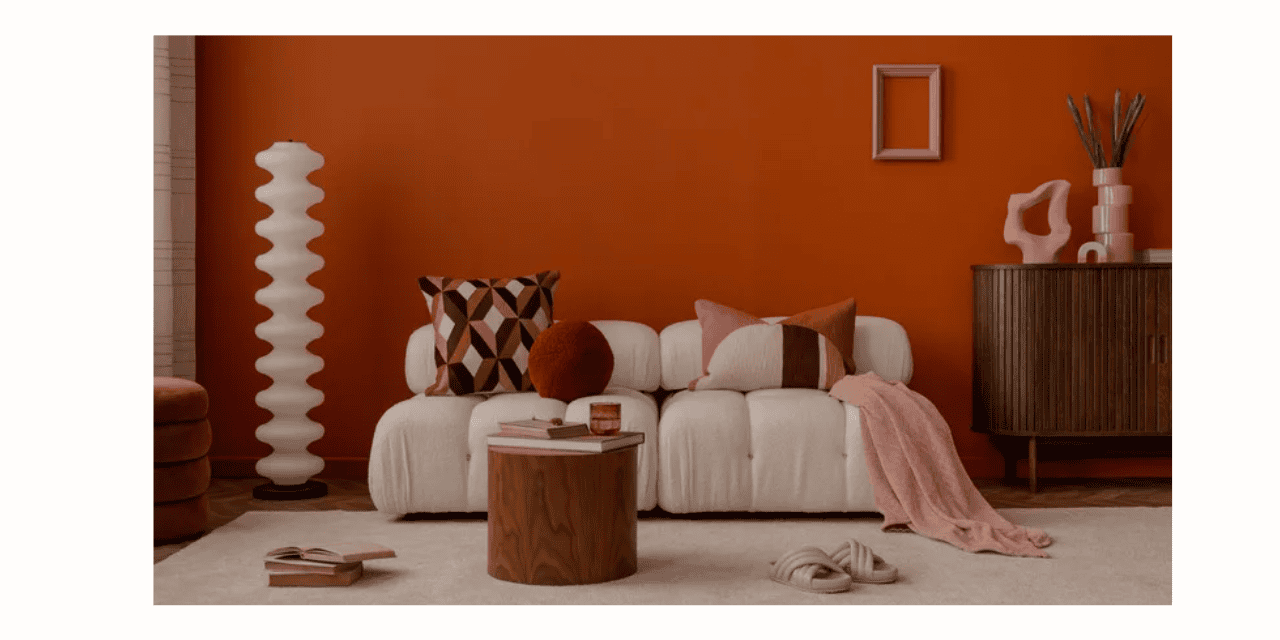
For years, minimalist interiors and mid-century modern design have dominated home décor, with neutral palettes, clean lines and understated furnishings shaping contemporary living spaces. However, homeowners are increasingly looking for ways to bring greater personality, color and visual interest into their interiors.
One design movement making a strong comeback is postmodernism, an eclectic style known for its bold colors, playful forms and unexpected design combinations.
According to professional interior designer Erika Dale of Erika Dale Design, incorporating postmodern elements can be an effective way to introduce colorful and distinctive details into a mid-century modern home.
Postmodern design emerged during the 1970s and became particularly influential during the 1980s. Unlike minimalist interiors focused primarily on functionality and muted tones, postmodernism embraces experimentation, expressive forms and vibrant colors.
“This era in decor is all about playing with daring silhouettes and colors, pushing the envelope to create memorable spaces,” Dale told House Digest.
Colorful Seating Can Transform a Mid-Century Interior
One of the easiest ways to introduce postmodern character into an existing mid-century modern interior is through furniture, particularly accent seating.
Dale recommends using vibrant seating in distinctive and unexpected shapes. Side chairs and occasional chairs can provide an effective way to introduce a strong color or sculptural element without overwhelming the entire room.
“One of the quintessential ways to showcase the hallmark pops of color that postmodern interior design is known for is to bring in vibrant seating, specifically in unique and unexpected shapes,” Dale said. “Side or occasional chairs is a fantastic way to do this in a balanced way.”
Beyond seating, homeowners can experiment with colorful side tables, statement lighting, artwork, gallery walls and textiles. Curtains, cushions and other soft furnishings can also introduce vibrant accents while maintaining flexibility within the overall design.
Avocado Green, Mustard and Burnt Orange Make a Statement

Postmodern interiors are often associated with distinctive colors that immediately create a playful and nostalgic atmosphere.
Popular shades include avocado green, mustard yellow, burnt orange and turquoise. These hues can be incorporated through smaller accessories or used more dramatically across larger furniture pieces and walls.
“I also love to feature pops of color on small side tables, light fixtures, art pieces, gallery walls, and textiles or drapery,” Dale explained.
For homeowners seeking a stronger transformation, bold wall colors or large upholstered furniture can create a more dramatic focal point. An accent wall can also add depth and energy while allowing the rest of the room to retain its mid-century simplicity.
Balance Is Key When Adding Bold Colors
Although postmodernism encourages experimentation, incorporating too many colors at once can make an interior feel visually overwhelming.
Dale advises homeowners to use bold shades strategically rather than turning the entire room into a multicolored space.
“The goal is to experiment with unique color palettes and combinations for the edgy effect, while still avoiding all-out technicolor,” she said.
Accent furniture, artwork, lighting and decorative accessories therefore offer a practical starting point for homeowners who want to experiment with the trend without committing to a complete redesign.
Vintage Finds Offer an Affordable Way to Try the Trend
Postmodern-inspired interiors do not necessarily require expensive designer furniture. Vintage and second-hand shopping can provide accessible ways to introduce distinctive pieces into a home.
Thrift stores and online marketplaces such as eBay, Etsy and Facebook Marketplace can be useful sources for vintage furniture and decorative accessories. Reproduction furniture and colorful accent pieces can also be found through retailers including Wayfair, Article, CB2, West Elm and World Market.
For mid-century modern homeowners, the return of postmodernism offers an opportunity to move beyond strictly neutral interiors while preserving the clean architectural foundation of their existing spaces.
By combining bold colors, unusual silhouettes and carefully selected accent pieces, homeowners can create interiors that feel more expressive, energetic and personal without abandoning the timeless appeal of mid-century modern design.