
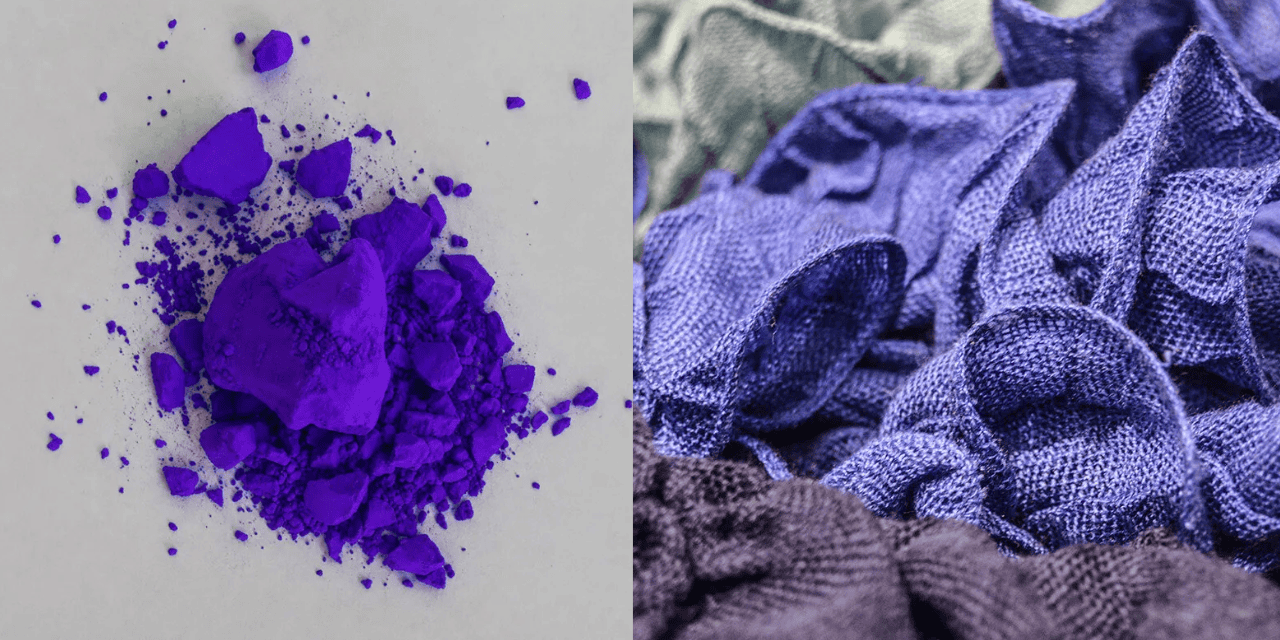
Cooling textiles are often designed in light colours, especially white. The new material aims to show that colourful fabrics can also provide strong cooling performance.
The electrospun fibres reflect 87.6% of solar radiation. They also emit 96.4% of mid-infrared radiation. This allows heat to move away from the fabric more effectively.
The result is a lightweight textile that combines a strong purple colour with advanced thermal performance.
Outdoor tests show strong cooling results
Researchers tested the fabric in outdoor conditions. The purple material stayed 4.2°C cooler than white cotton. It was also 6.2°C cooler than conventional purple cotton under direct sunlight.
Tests using simulated skin showed an 8°C temperature reduction compared with uncovered skin. By comparison, white cotton produced a 4.6°C reduction.
These results suggest that the fabric could have applications in hot-weather clothing and other cooling textile products.
Designed for outdoor use
The researchers say the material could benefit outdoor workers, athletes and people exposed to high temperatures.
The fabric is lightweight, breathable and water-repellent. It also maintained its cooling performance after 50 washing cycles.
The material showed strong UV resistance as well. Tests found that it retained its structure and performance after UV exposure equivalent to around 108 days outdoors.
Could cooling textiles become more colourful?
The research could support the development of cooling textiles in other colours. Scientists are now exploring different metal-organic frameworks that may create a wider range of shades.
The goal is to move beyond the idea that cooling fabrics must be white or very light in colour.
The technology is still at the research stage. However, it highlights the growing role of advanced materials in developing textiles that offer both visual appeal and functional performance.