Three-Year Programme Targets Waste Recovery, Coastal Conservation and Community Engagement
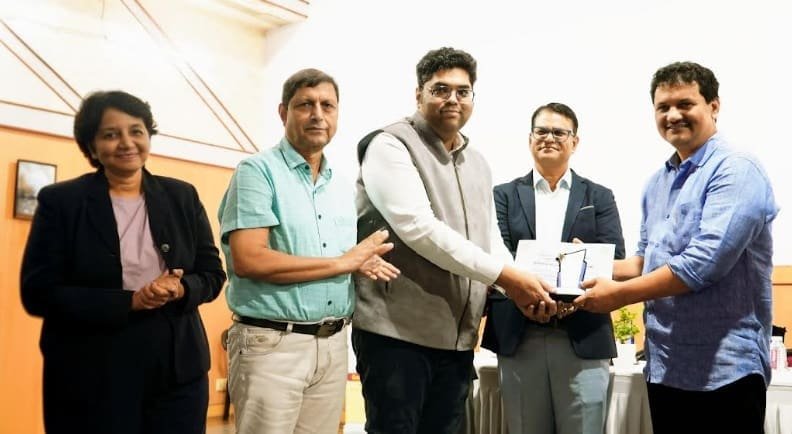
Marking Earth Day 2026, Sattva Group, in partnership with Knowledge Realty Trust (KRT) and rePurpose Global, has launched the Karnataka Zero Waste Initiative, a multi-year programme designed to establish structured and community-led waste management systems across Karnataka’s coastline.
The initiative reflects the commitment of Sattva Group and Knowledge Realty Trust to sustainable development by integrating environmental stewardship with community well-being and long-term ecological resilience.
Addressing Coastal Waste Challenges
The three-year programme aims to tackle the growing issue of plastic pollution along Karnataka’s 320-kilometre coastline, where plastic waste currently accounts for nearly 60% of coastal litter.
Through locally managed and financially sustainable waste management systems, the initiative seeks to create long-term solutions that deliver measurable environmental and social impact.
Key targets of the programme include:
- Connecting over 80,000 households to formal waste management systems.
- Integrating 50 coastal villages into structured waste collection and processing networks.
- Supporting 200 waste workers through improved livelihoods, skill development, and safer working conditions.
- Recovering and responsibly processing approximately 4.5 million kilograms of waste over a three-year period.
The initiative aims to significantly reduce waste leakage into marine ecosystems while improving overall coastal cleanliness and environmental health.
Building Community-Led Solutions
Commenting on the initiative, Shivam Agarwal, Vice President – Strategy, Sattva Group, emphasized the importance of protecting Karnataka’s coastline and creating sustainable systems that benefit local communities.
He noted that the coastline serves as both an ecological and economic asset, and improving waste management practices can directly strengthen local livelihoods while enhancing environmental outcomes.
The programme places strong emphasis on awareness generation and behavioural change, encouraging communities to adopt sustainable practices such as waste segregation, responsible disposal, and recycling at the household level.
ESG and Sustainable Development Focus
Jiji Thomas, Head – ESG & Sustainability at Knowledge Realty Trust, highlighted the broader sustainability goals behind the initiative.
According to Thomas, environmental stewardship extends beyond real estate assets and into the ecosystems that support communities and businesses. He noted that coastal waste presents a significant ESG challenge with implications for climate resilience, biodiversity, and long-term environmental sustainability.
The programme will focus not only on waste collection and recovery but also on creating awareness around upstream waste reduction and responsible consumption practices to reduce the flow of waste from urban centres to coastal ecosystems.
Partnership for Scalable Impact
The Karnataka Zero Waste Initiative is being implemented in collaboration with rePurpose Global, a leading packaging sustainability and compliance platform, and the Centre for Applied Research and People’s Engagement (CARPE).
rePurpose Global will lead the design and execution of waste recovery systems aligned with global best practices, while CARPE will contribute expertise in waste management, environmental restoration, and research-driven impact measurement.
Knowledge Realty Trust will support governance, transparency, and accountability mechanisms to ensure the programme delivers measurable and scalable outcomes.
Aditya Siroya, Founder and Chief Impact Officer at rePurpose Global, said that large-scale waste management requires locally embedded systems capable of generating both environmental and social value.
Towards a Cleaner and More Resilient Karnataka
The Karnataka Zero Waste Initiative reflects a broader movement toward responsible and inclusive development models that combine environmental protection with economic opportunity.
By focusing on community ownership, sustainable waste management infrastructure, and measurable impact, the programme aims to create a replicable model for coastal waste management while contributing to a cleaner, healthier and more resilient Karnataka.