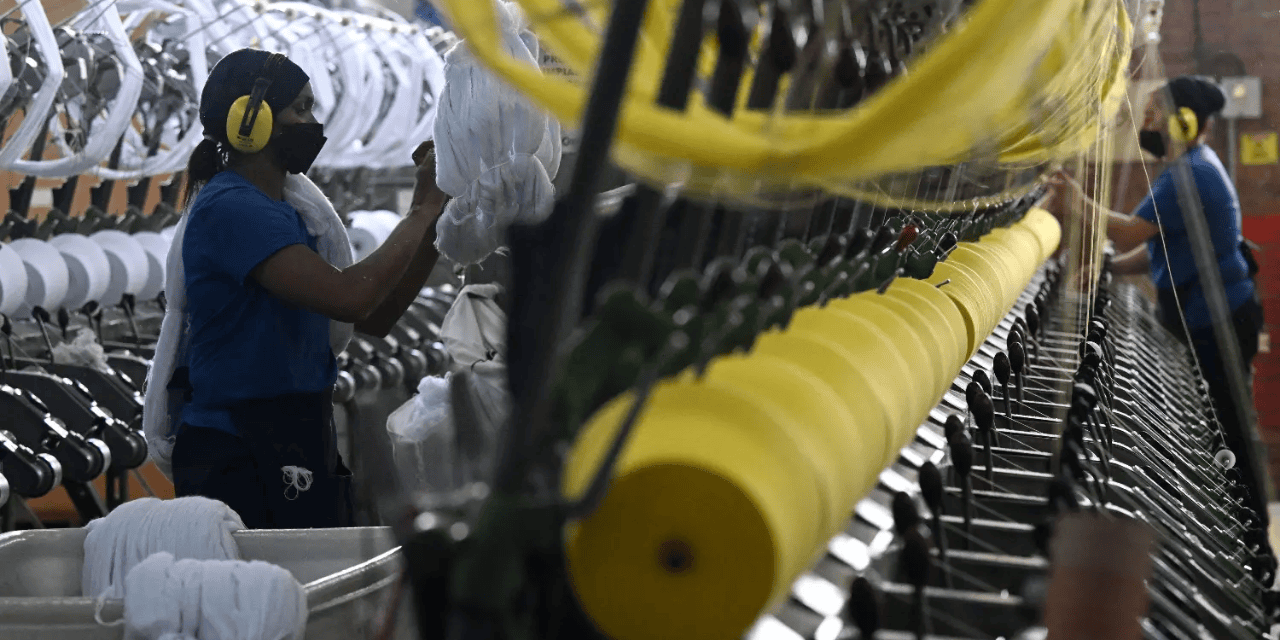
Telangana’s textile clusters could benefit from India’s new textile recycling roadmap. The plan promotes different recycling technologies to turn textile waste into fresh fibre.
Key textile hubs include Warangal, Sircilla, Gundla Pochampally, Jadcherla and Mahabubnagar. Export units around Hyderabad and Karimnagar could also benefit from better recycling systems.
India Generates 7,073 Kilotonnes of Textile Waste
The Union Ministry of Textiles recently released a study titled Mapping of Textile Waste Value Chain in India. The study estimates that India generates about 7,073 kilotonnes of textile waste each year.
Post-consumer waste makes up around 58% of the total. This includes used clothes and other discarded textiles. The remaining 42% is pre-consumer waste from factories.
Around 97% of pre-consumer textile waste is already reused or downcycled. However, post-consumer waste recovery remains low. Infrastructure and policy gaps continue to limit recovery.
Recycling Infrastructure Could Support Telangana
The new roadmap could encourage investment in textile waste sorting and recycling. Telangana could see new sorting centres, baling hubs and mechanical recycling units.
Chemical recycling plants could also be developed in the future. These facilities could connect with existing polyester and blended-fibre units.
Dr Kavitha, a textile technologist and consultant based in Balanagar, said better links between textile production and recycled feedstock could create new opportunities.
She said regional pre-sorting and baling hubs could help mills use more recycled cotton blends. These materials could be used to make yarn for workwear, home textiles and technical fabrics.
Different Technologies Have Different Roles
Experts say India needs more than one recycling technology. Textile waste varies by fibre type, condition and composition.
Mechanical recycling is a mature and lower-cost option. However, it can reduce fibre quality. It is therefore suitable for products such as mats, insulation and non-wovens.
Chemical recycling can break fibres into monomers or polymers. These materials can then be used to produce new fibres. The technology can support textile-to-textile recycling but requires high investment and energy.
Thermo-chemical methods, including pyrolysis and gasification, can process mixed or soiled waste. These methods can produce syngas and other feedstocks. However, they are not yet ready for closed-loop fibre production at scale.
Telangana Could Use a Hybrid Recycling Model
A combination of technologies could support Telangana’s textile clusters. Mechanical recycling could process large volumes of cotton waste from garment units.
Chemical recycling could handle polyester-rich waste from sportswear and uniforms. This approach could help maintain fibre quality while increasing recycling capacity.
The study estimates that India’s textile recycling market could reach Rs 35,000 crore by 2030. It also projects around one lakh green jobs.
The report calls for policy support to expand mechanical and advanced recycling. It also highlights the need to formalise the informal recycling sector, which supports around 4–4.5 million livelihoods.