
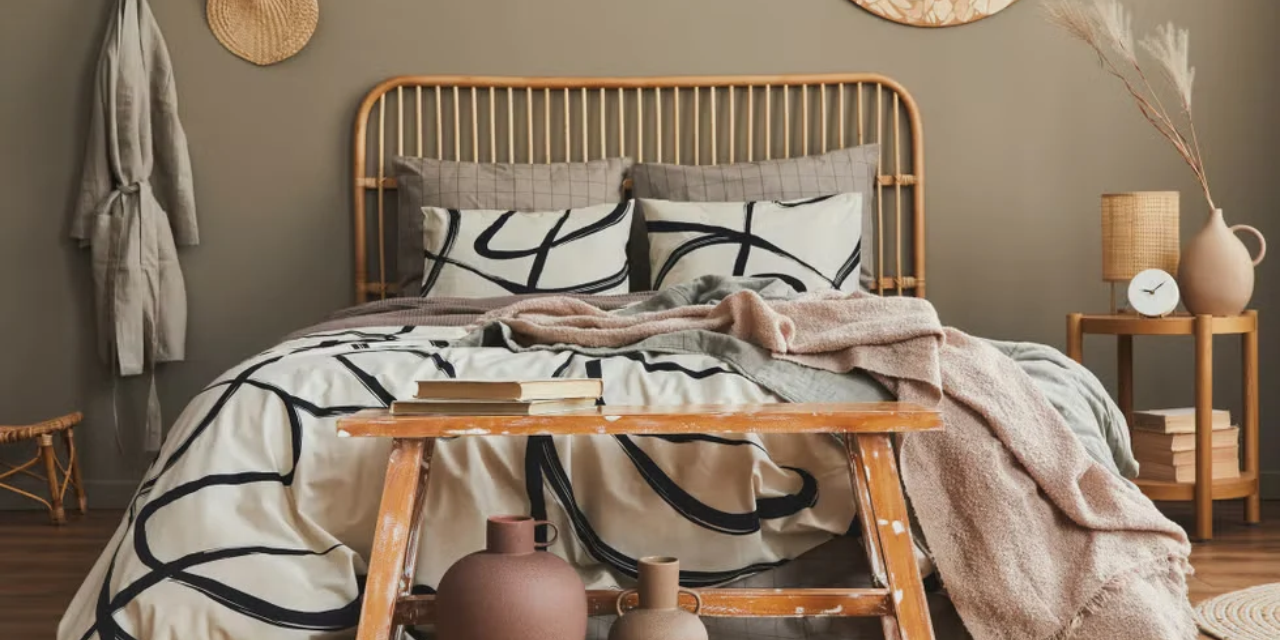
As 2027 approaches, interior designers are reconsidering several popular textile patterns. According to designers featured in House Beautiful, five prints are beginning to look dated as preferences shift towards more detailed, subtle and distinctive designs.
The patterns include abstract brushstrokes, mass-market block prints, faux tapestry, ikat and oversized watercolor florals. Designers suggest that the way patterns are produced, their colors and their compatibility with other fabrics influence their appeal.
1. Abstract Brushstroke Prints
Abstract brushstroke patterns may feel overwhelming when they feature strong contrasts and competing marks. Designer Sara Swabb prefers subtle color variations and the natural irregularities of hand-painted designs. These details can add depth to interiors and help different fabrics work together.
2. Mass-Market Block Prints
Block printing has a long history in Indian textile art. However, designers distinguish handmade prints from mass-produced versions. Hand-carved blocks create small variations that give each fabric its own character. These imperfections are often missing from machine-produced or mass-printed designs.
3. Faux Tapestry Prints
Tapestry-inspired prints are another design choice facing criticism. Designer Adnan Anwar prefers using actual tapestries as wall decorations rather than covering entire sofas with tapestry-style fabric. He also suggests using genuine tapestry remnants for smaller upholstery projects.
4. Ikat Patterns
Ikat patterns can be challenging to combine with other prints and textures. Designer Meghan Jay notes that saturated colors may compete with other elements in a room. Careful coordination of colors and patterns can help maintain visual balance.
5. Oversized Watercolor Florals
Large watercolor-style floral prints are also losing appeal among some designers. Meghan Jay and Eve Jean favor floral patterns with clearer details and more defined designs. Smaller botanical prints offer an alternative for interiors seeking a more timeless look.
A Shift Towards Distinctive Textile Designs
These observations point to a changing approach to interior textiles ahead of 2027. Rather than relying on widely available prints, designers are showing greater interest in handcrafted details, subtle color variations and patterns with a distinct character.
For home textile manufacturers, fabric designers and retailers, these preferences offer useful insight into evolving design discussions around bedding, cushions, upholstery and decorative fabrics.


