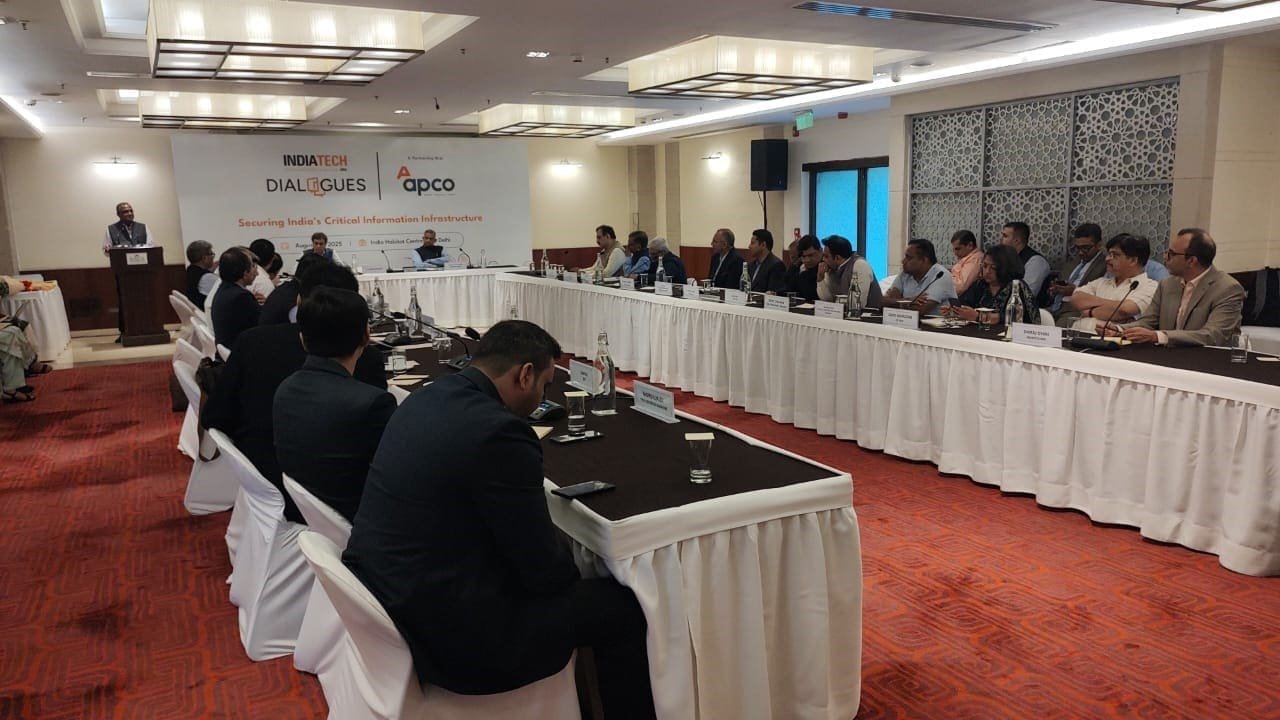


In a world where mass production and instant gratification have long dominated the consumer market, a refreshing shift is redefining what luxury truly means. This transformation was at the heart of a compelling panel discussion at HGH India 2025 in Mumbai, where some of the country’s leading architects and interior designers gathered to share their perspectives on “The New Luxury: Personalisation, Craftsmanship, and Conscious Design.
The panel featured distinguished voices from the industry, including architects, interior stylists, and product designers who brought forward a rich mix of insights. What became clear through their conversation was a shared belief: luxury today is not defined by price or opulence, but by meaning, individuality, and responsibility. Gone are the days when luxury was synonymous with excess. In today’s design world, personalisation takes precedence. “What feels luxurious to one person might be overwhelming to another. That’s the beauty of subjectivity in design,” remarked one panellist. For instance, a custom-crafted reading nook designed around a client’s childhood memories, or a dining table carved from reclaimed wood from their ancestral home are examples of how deeply personal design has become. In fashion too, labels are increasingly offering made-to-measure pieces, monogramming, and even AI-assisted style customisation to cater to individual personalities. As designers, the panel agreed, the role is no longer just about aesthetics. It’s about understanding the client’s lifestyle, values, and emotional needs, then translating them into tangible forms through a thoughtful, collaborative process.
Another pillar of the new luxury is a reverence for craftsmanship. Fast furniture and factory-made products are slowly giving way to hand-finished details, heritage techniques, and artisanal quality. Whether it’s a hand-knotted carpet from Kashmir, a bespoke terrazzo floor, or a hand-painted wall mural, each speaks of time, care, and cultural depth. Designers at HGH 2025 reflected on how craftsmanship tells stories, preserves legacies, and creates products with soul. There’s growing admiration, especially among the younger demographic, for items that are rare not because they are expensive, but because they are irreplicable.
Perhaps the most urgent dimension of the conversation was conscious design. With climate change, ethical sourcing, and responsible production at the forefront of global concern, luxury is now measured in footprints, not finishes.
“Sustainable design is not a trend — it is the new standard,” stated one panellist. In interior spaces, that translates into low-VOC paints, upcycled furniture, energy-efficient lighting, and passive cooling techniques. In fashion, slow production cycles, natural dyes, and zero-waste pattern making are becoming markers of true luxury. The designers at HGH also emphasised process-driven design thinking, that the journey from idea to outcome matters just as much as the final product. A conscious designer considers material life cycles, local community impact, and long-term utility, making luxury more ethical and more enduring.

As we navigate this exciting era of transformation, the future of luxury will belong to those who design with intention. Whether through personalised experiences, a commitment to traditional craftsmanship, or conscious material choices, true luxury is becoming less about having more and more about having meaning.