Social media, visual culture and shifting consumer preferences are accelerating the lifecycle of home décor trends
Interior design trends are evolving at a faster pace than in previous decades, with styles that once remained popular for years now being replaced within a much shorter period.
Industry observers point to the growing influence of social media and digital content as key factors behind the rapid turnover of design aesthetics. Furniture, décor and styling choices are increasingly displayed across platforms such as Instagram, Pinterest, TikTok and video calls, transforming living spaces into highly visible environments.
Homes Have Become More Public Spaces
Traditionally, homes were designed primarily for personal comfort and functionality. Today, interior spaces are frequently shared online through photographs, videos and virtual meetings. As a result, design elements are often selected for their visual impact and ability to create an immediate impression.
This visibility can accelerate the popularity of specific items and styles. Once a particular design feature becomes widely adopted, it may quickly lose its sense of novelty, leading consumers to seek new alternatives.
Social Media Is Accelerating Design Cycles
The availability of constant design inspiration has changed how consumers engage with home décor. Rather than drawing ideas from occasional magazine features or visits to friends’ homes, users now encounter a continuous stream of interior content.
In recent years, styles such as Scandinavian interiors, Japandi, organic-shaped furniture, Quiet Luxury and chrome-focused aesthetics have each gained significant attention. The rapid circulation of images and design concepts has contributed to shorter trend cycles and the emergence of new micro-aesthetics.
The Debate Around ‘Timeless’ Design
The term “timeless” has become increasingly common in design and marketing discussions. However, as large numbers of consumers adopt similar aesthetics simultaneously, those styles can become closely associated with a particular period.
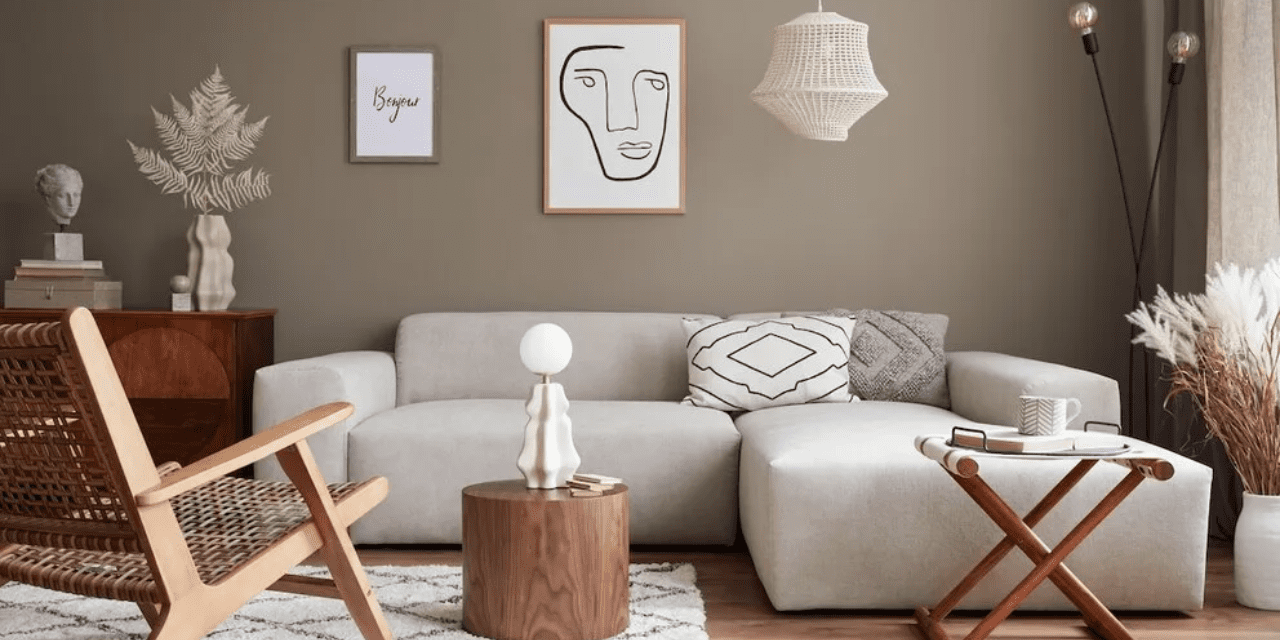
Features such as beige bouclé furniture, black fixtures, dried flowers and wavy mirrors have become defining elements of many interiors during the 2020s, making them easily identifiable with the era.
Consumers Are Buying Lifestyle Aspirations
Another shift within the home décor sector is the growing focus on the emotions and lifestyles associated with design choices. Consumers increasingly select products that reflect a particular atmosphere or identity, whether inspired by Mediterranean living, minimal luxury, artistic expression or historic architecture.
As preferences and cultural influences change, these lifestyle-driven aesthetics also evolve. Following a period where neutral palettes and minimalist interiors dominated many homes, there is growing interest in more colourful, expressive and personalised spaces.
The changing nature of digital culture, consumer behaviour and visual media continues to influence how interior design trends emerge, spread and eventually give way to new styles.