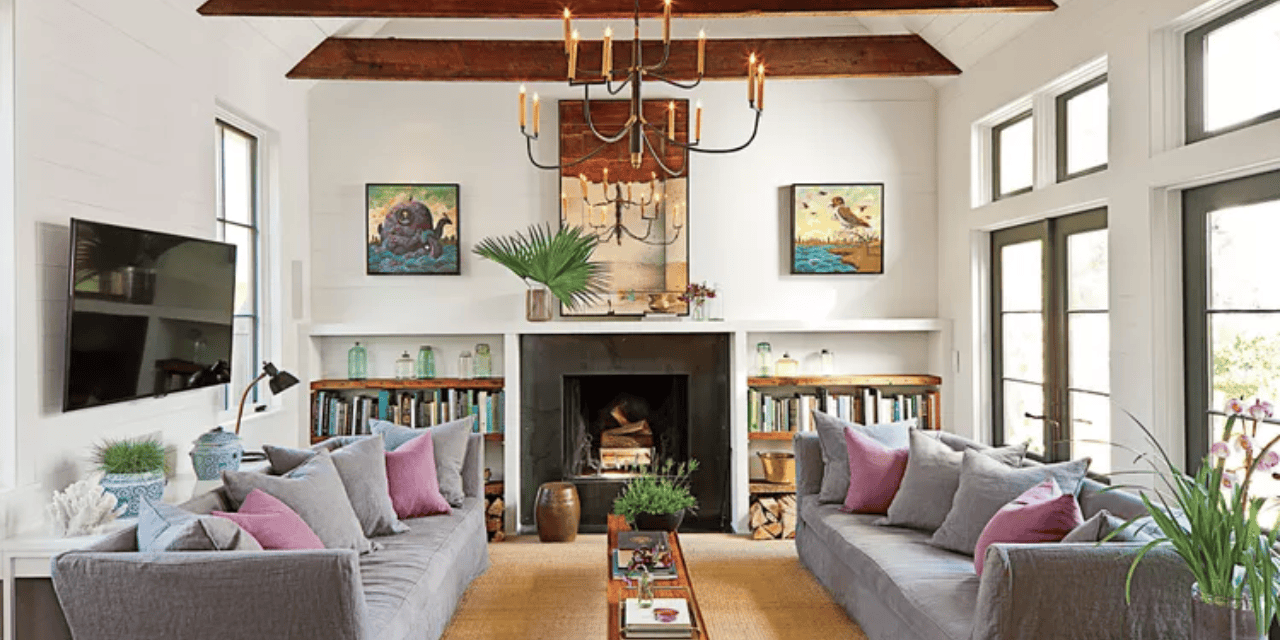
Interior design is often associated with carefully selected furniture, premium finishes and investment-worthy decor. However, experienced designers believe that not every element of a home needs a high price tag. In fact, some decorative and functional pieces can look just as stylish when purchased at more affordable price points.
Southern interior designers have shared eight categories where homeowners can save money without compromising the overall look and feel of their spaces.
1. Trend-Driven Decor
Following every interior design trend can quickly become an expensive habit. Designers recommend avoiding major investments in pieces that are strongly associated with a particular trend or era.
Marya Karlton, founder of Karlton Kelly Interiors in Washington, D.C., believes timeless and classic styles are a smarter investment. Emily Mangus, founder of Emily Mangus Interiors in Roanoke, Virginia, similarly recommends prioritising pieces that reflect personal style and bring individuality to a home.
The idea is simple: invest in elements that will remain appealing even as design trends change.
2. Newly Made Candlesticks
Candlesticks can add character to dining tables, consoles and shelves, but designers suggest that homeowners don’t necessarily need to buy expensive new versions.
Evan Millárd, founder of millárd in Nashville, recommends exploring secondhand, antique and thrift stores for distinctive candlesticks. Artisan-made or vintage pieces can bring personality to a room while also serving as conversation starters.
For homeowners looking to create an individual aesthetic, vintage finds can often offer more character than mass-produced alternatives.
3. Expensive Cut Flowers
Fresh flowers can instantly brighten an interior, but maintaining elaborate arrangements doesn’t have to become a regular luxury expense.
J.P. Horton, founder of J.P. Horton Interior Design in Charlottesville, Virginia, suggests looking for affordable flowers at supermarkets or using flowers and greenery from the garden. Foraging responsibly can also provide natural materials for casual, seasonal arrangements.
This approach allows homeowners to refresh their interiors regularly without spending heavily on professional floral arrangements.
4. Extra-Large Televisions
A massive television may seem impressive, but designers argue that bigger isn’t always better when it comes to living-room design.
Horton recommends choosing a smaller screen unless the home has a dedicated theatre room. An oversized television can dominate a living space and become the visual focal point rather than complementing the room’s overall design.
Choosing a screen that is appropriately scaled to the room can therefore save money while creating a more balanced interior.
5. Accent Decor
Vases, decorative objects, frames and other small accessories are areas where homeowners can mix high-end pieces with affordable finds.
Amy Munger, founder of Munger Interiors in Houston, Texas, recommends combining a few premium accessories with more accessible pieces from mainstream retailers. Dominique DeLaney, founder of Dominique DeLaney Interior Design in Cornelius, North Carolina, also suggests sourcing accent pieces from antique shops and accessible retailers.
Because these accessories are relatively easy to replace, homeowners can gradually upgrade them as their budgets allow.
6. Artwork
Investing in original artwork can certainly add value and personality to a home, but not every wall needs an expensive statement piece.
Dominique DeLaney notes that smaller accent artworks can help complete a room without requiring a significant financial investment. Secondhand shops, online marketplaces and emerging artists can provide interesting alternatives to expensive gallery pieces.
The key is to choose artwork that works with the room and reflects the homeowner’s personality rather than focusing solely on its price.
7. Towels
Luxury towels may feel appealing in a showroom, but designers say they aren’t always worth the additional expense.
Jamie Krywicki Wilson, founder of Krywicki Design in Marietta, Georgia, says expensive towels can eventually look worn and dingy after repeated use and washing. For households with children, this wear can happen even faster.
A good-quality mid-range or economical towel can therefore offer a practical balance between comfort, appearance and cost.
8. Small Decorative Accessories
Beyond individual accent pieces, designers also recommend taking a flexible approach to smaller decorative elements throughout the home. Items such as vases, mirrors, frames and shelf accessories can be refreshed relatively easily, making them less suitable for major investments.
Instead, homeowners can create a layered look by combining a few investment pieces with affordable finds. This approach allows interiors to evolve over time without requiring a complete redesign every time tastes change.
Smart Spending Can Still Create a Stylish Home
Interior designers agree that creating a beautiful home isn’t necessarily about spending the most money. Strategic investment can make a bigger difference than purchasing expensive versions of every item.
Timeless furniture and long-lasting foundational pieces may deserve a larger share of the budget, while trend-led accessories, decorative accents, towels, flowers and other easily replaceable items can often be sourced affordably.
By knowing where to save and where to splurge, homeowners can create interiors that feel personal, stylish and considered—without overspending.