
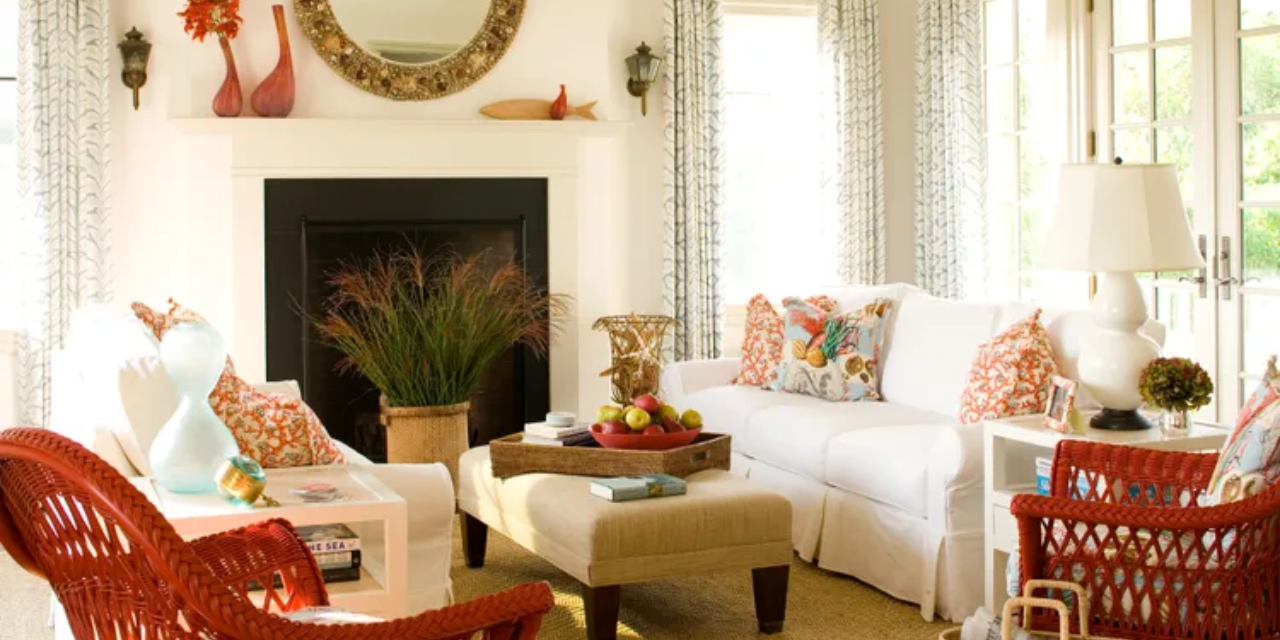
Several popular 1990s interior design trends are losing their appeal as homeowners move towards brighter, more personalised spaces. Designers say sponge-painted walls, matching furniture sets and heavy window treatments can make modern interiors look dated.
According to Better Homes & Gardens, some elements of 90s décor have returned in updated forms. However, six decorating trends are better replaced with simpler finishes, balanced colours and natural materials.
1. Sponge-Painted Walls and Faux Finishes
Sponge-painted walls and rag-rolled finishes were popular in the 1990s. However, designers say these decorative techniques can make rooms look busy and outdated.
A fresh coat of neutral paint offers a cleaner alternative. Textured wallpaper, limewash and Venetian plaster can also add depth to walls.
2. Matching Furniture Sets
Matching coffee tables, side tables and other furniture pieces can make a room feel flat. Designers recommend mixing different materials, finishes and shapes.
A consistent colour, style or furniture scale can help maintain balance while creating a more individual look.
3. Teal and Mauve Colour Combinations
Dusty mauve, cool teal and greyish pastels were widely used in 1990s interiors. Designers say the combination now feels strongly associated with that decade.
Homeowners can still use these colours separately. Updated shades and carefully selected colour palettes can create a more contemporary appearance.
4. Heavy Window Treatments
Swags, fringes, tassels and layered curtains were common features of 90s homes. Today, homeowners increasingly prefer window treatments that allow more natural light into rooms.
Simple curtains, horizontal shades and tailored Roman blinds offer practical alternatives. They provide privacy and light control without overwhelming the space.
5. Wall-to-Wall Carpeting
Wall-to-wall carpets once represented comfort and luxury. However, they can collect dust, trap allergens and become difficult to maintain in busy living areas.
Designers recommend hardwood, engineered wood or luxury vinyl flooring. Area rugs can add warmth, texture and visual contrast.
6. Dark Tuscan-Style Kitchens
Tuscan-inspired kitchens often featured dark wood cabinets, ornate ironwork and dark granite countertops. Designers say these elements can make kitchens appear heavy and less open.
Warm neutral or soft white cabinets offer a lighter alternative. Homeowners can also choose light quartz, simple hardware and natural woven textures to refresh the space.
Updating 90s Interiors for Modern Homes
The shift away from these decorating trends highlights a preference for simplicity, natural materials and individual style. Designers recommend focusing on thoughtful furniture choices, lighter finishes and balanced colours.
Rather than following short-lived trends, homeowners can create lasting interiors by selecting practical materials and meaningful decorative pieces.


