Designers explore colour psychology, layered aesthetics and hobby-driven interiors in evolving home trends
Interior design trends in 2026 are increasingly centred around emotional connection, personal expression, and functional comfort, reflecting a shift away from highly standardised minimalist aesthetics toward more individualised living environments.
Design analysis for the year highlights how homeowners are embracing digital nostalgia, layered interiors, and customised spaces without necessarily adopting highly experimental or surreal design concepts. Instead, current trends focus on integrating personal preferences into contemporary interiors through colour, lighting, materials, and decorative structure.
One area gaining attention is the role of colour psychology in interior planning. Comparisons have also been drawn between behavioural design principles used in digital platforms and those applied within physical environments. Warm tones such as reds, ambers, and golds are associated with excitement and visual stimulation, while greens and blues are commonly linked with calmness and reduced cognitive load.
Deeper tones including black and gold continue to be associated with luxury and visual hierarchy in interiors, often used to define architectural boundaries or highlight decorative focal points. High-contrast colour accents are also being used to direct visual attention toward selected décor zones and create subconscious navigation patterns within spaces.
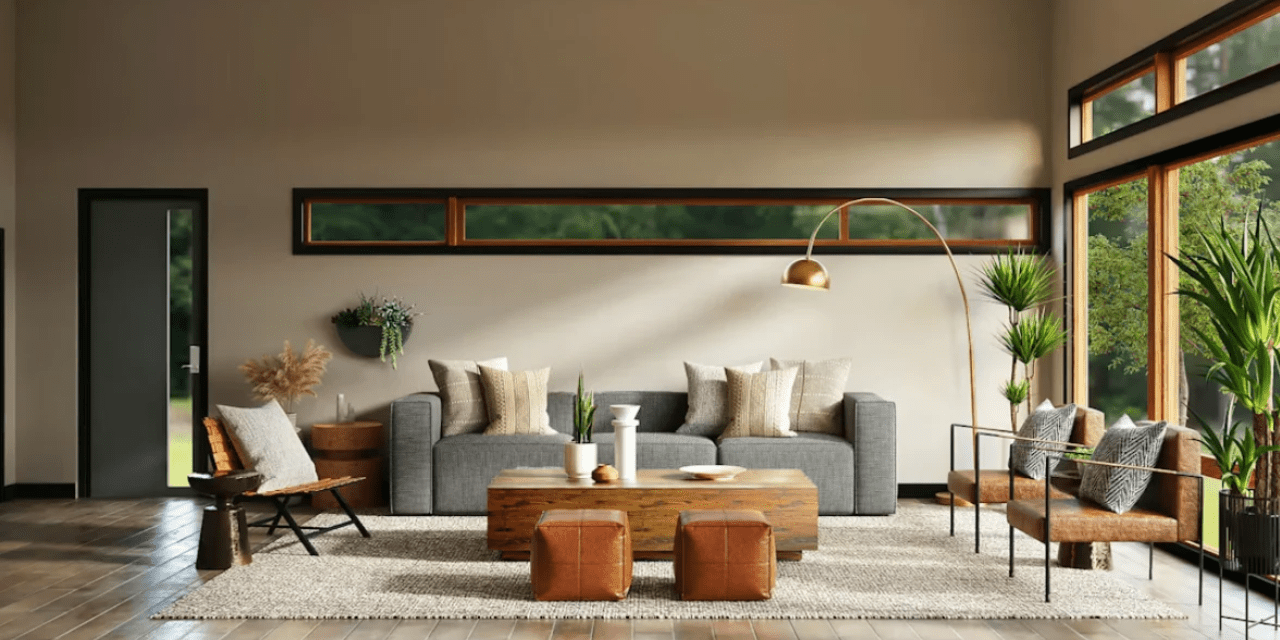
The broader shift in 2026 design trends reflects growing interest in emotionally responsive interiors rather than spaces designed primarily for visual uniformity or social media appeal. Designers are increasingly combining sustainable materials, warm minimalism, and smart living concepts with personalised decorative elements.
Among the emerging design features are thick and heavily matted frames, which are being used to introduce layered architectural depth and create stronger focal points within open-plan interiors. Materials such as matte wood and brushed metals are contributing to textured visual environments without creating excessive visual clutter.
Statement ceilings, often referred to as the “fifth wall,” are also becoming a significant feature in residential interiors. Ceiling murals, patterned wallpapers, wood panelling, and layered lighting installations are being incorporated to add vertical focal points, emotional depth, and spatial character. Designers are also using ceiling treatments to influence mood perception through reflected lighting and colour interaction.
Another notable trend is the rise of “hobby havens,” where homeowners dedicate spaces to personal interests and collections. Shelving systems displaying books, figurines, gaming setups, or hobby-related décor are being integrated into living spaces while maintaining functional organisation and accessibility.
Architectural lighting continues to play a larger role in 2026 interiors, with ambient, accent, and indirect lighting solutions being used to shape atmosphere and spatial dynamics. Lighting is increasingly viewed not only as a functional necessity but also as a defining architectural and emotional component of interior environments.
The broader direction of interior design in 2026 reflects growing emphasis on tactile materials, personalised layouts, and emotionally engaging spaces designed around the preferences and routines of homeowners.