
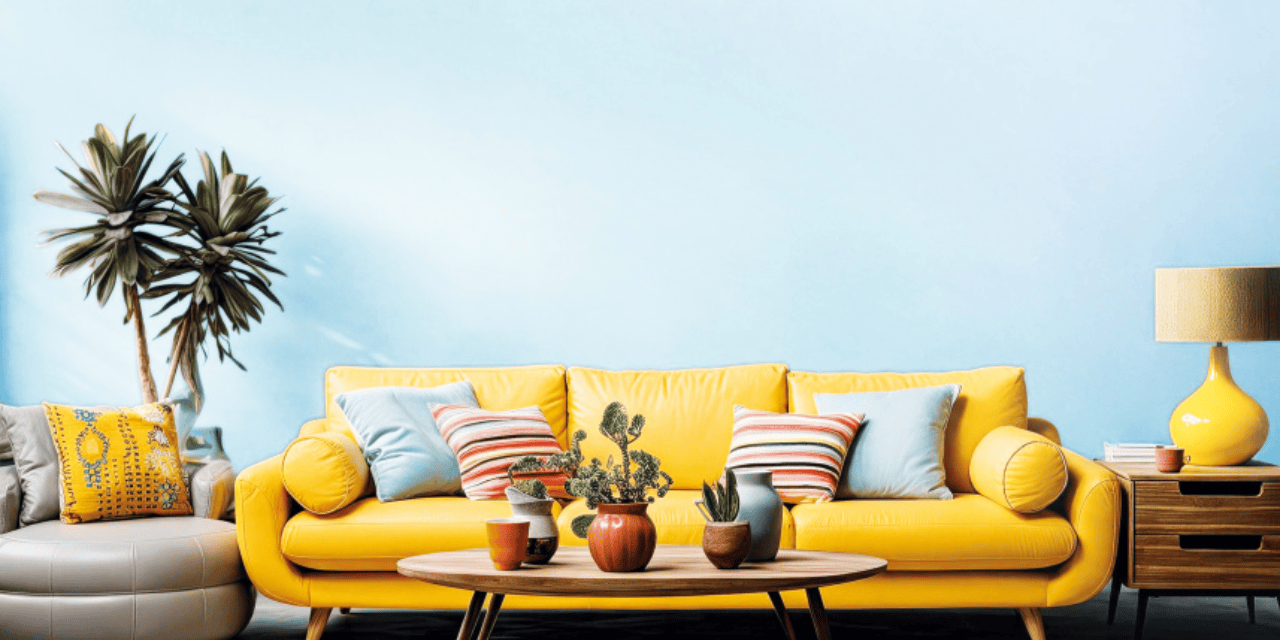
Bangladesh’s home furniture market is moving toward lighter designs, smarter storage, and more flexible living. Urban homeowners are replacing heavy traditional furniture with pieces that suit compact apartments and modern lifestyles.
The shift is especially visible in cities, where apartments commonly range from 1,200 to 1,800 square feet. As space becomes more valuable, consumers are looking for furniture that combines comfort, functionality, and visual appeal.
Compact Living Drives Furniture Change
The traditional living room once centred on heavy mahogany or Chittagong teak furniture. Large carved sofa sets were durable, imposing, and designed to remain in place for years.
Today, preferences are changing. Consumers increasingly favour modular, minimalist, and space-saving furniture. Engineered wood, lacquered finishes, and Scandinavian-inspired designs are becoming more popular.
This change reflects a broader focus on practical urban living. Furniture must now look attractive while making better use of available space.
Warm Colours and Softer Forms Gain Popularity
Modern Bangladeshi interiors are also moving away from dark furniture and plain white walls. Warm neutrals are gaining attention across living rooms, bedrooms, and dining spaces.
Popular shades include beige, cream, light grey, and earthy tones. These colours help create a relaxed and spacious atmosphere.
Furniture shapes are changing too. Sharp edges are giving way to softer curves. Rounded sofas, arched details, and circular dining tables can make compact rooms appear lighter and more welcoming.
Modern Furniture Meets Local Heritage
Modern design does not mean abandoning local identity. Instead, homeowners are finding new ways to combine contemporary furniture with traditional Bangladeshi materials.
Slim wooden and metal frames are being paired with cane, bamboo, and jute. Cushions and wall art may feature Jamdani patterns, block prints, or Nakshi Kantha-inspired designs.
Indoor swings, known as dolnas, and small balcony gardens are also helping bring a stronger connection with local culture and nature.
Smart Storage Becomes Essential
Space optimisation is now a major consideration for urban homeowners. Multi-functional furniture helps residents keep smaller homes organised without compromising style.
Storage beds with hydraulic lifts are increasingly useful in bedrooms. Foldable dining tables can serve different purposes throughout the day. Drop-down study desks also provide practical workspaces without taking up permanent floor space.
Floor-to-ceiling wardrobes are another popular solution. Hidden handles and fluted wood panels create a clean appearance while keeping everyday clutter out of sight.
Urban Boho-Chic Takes Root
Bohemian interiors are developing a distinct urban identity in Bangladesh. The emerging Urban Boho-Chic look combines natural materials with contemporary furniture forms.
Rattan, bamboo, cane, and jute are central to the style. Cane-backed armchairs, woven rattan headboards, bamboo side tables, and handwoven jute rugs add texture without making rooms feel heavy.
Natural wood finishes are also replacing darker polishes. Light mahogany, natural oak, blonde teak, and honey-toned cane create a warmer foundation.
Accent colours include sand, off-white, oat, terracotta, mustard yellow, sage green, and rusty orange. Together, these shades create a relaxed and artistic atmosphere.
Furniture Fabrics Reflect Changing Tastes
Fabric preferences have also evolved. Traditional reddish-brown wood was once commonly paired with red, golden, or cream upholstery.
Today, homeowners are exploring a wider range of colours and textures. Popular options include blue, mint, ivory, grey, celery, marmalade orange, charcoal, pewter, fawn grey, and warm brown.
These shades add personality while keeping smaller interiors visually balanced.
Furniture Brands Adapt to New Demand
Bangladeshi furniture manufacturers are responding to changing consumer expectations. HATIL, Regal, Partex Furniture, Akhter Furniture, Brothers Furniture, Partex Furniture Industries Limited, Trendy Furniture Ltd, Nadia Furniture Ltd, and ISHO are among the established names serving the market.
HATIL is recognised for its wooden furniture and customer-focused approach. Brothers Furniture combines traditional and contemporary influences. ISHO has built a strong position among urban consumers with its minimalist and modern furniture designs.
Buyers Prioritise Comfort and Personal Style
Consumer choices show that furniture is becoming more personal. Buyers want products that match their lifestyle, available space, and design preferences.
Some shoppers prefer clean and lightweight furniture that keeps rooms looking open. Others combine engineered wood with solid wood to balance modern finishing with durability.
Natural materials are also gaining attention. Cane sofas, rocking chairs, woven furniture, and other handcrafted pieces can create a calm and authentic atmosphere.
The growing popularity of these choices highlights an important change. Consumers are no longer selecting furniture only for durability or status. They are also considering how each piece contributes to the overall feeling of a home.
Price Range Offers Options for Different Budgets
The market offers furniture across a broad range of price points.
Branded beds can start at around BDT 18,950 and rise above BDT 148,000 for larger solid-wood king-sized sets. Engineered and veneered wood beds generally offer more affordable options.
Sofas range from approximately BDT 15,000 for smaller processed-wood and fabric designs to more than BDT 130,000 for larger modular or L-shaped sets.
Dining sets typically range from BDT 35,000 to BDT 110,000, depending on materials and construction.
Cane furniture provides another accessible option. Cane armchairs can cost around BDT 2,500 to BDT 8,000, while small tea tables can range from BDT 1,500 to BDT 4,000.
Cane sofa sets generally start around BDT 12,000 and can reach BDT 55,000 for premium, lacquered designs.
The Future of Furniture Is Flexible
The evolution of furniture in Bangladesh reflects wider changes in urban lifestyles. Smaller homes, changing aesthetics, and greater interest in functionality are influencing purchasing decisions.
The new generation of homeowners is looking for furniture that is lighter, adaptable, comfortable, and visually appealing. At the same time, traditional materials such as cane, bamboo, jute, and local wood remain important.
This balance between modern functionality and local character is shaping a new direction for Bangladeshi interiors. The result is furniture designed not only to fill a room, but also to make urban living more comfortable and personal.