Bangladesh is expanding the use of jute beyond traditional sacks and ropes. The country is developing diversified jute products for fashion, home décor, packaging and other markets.
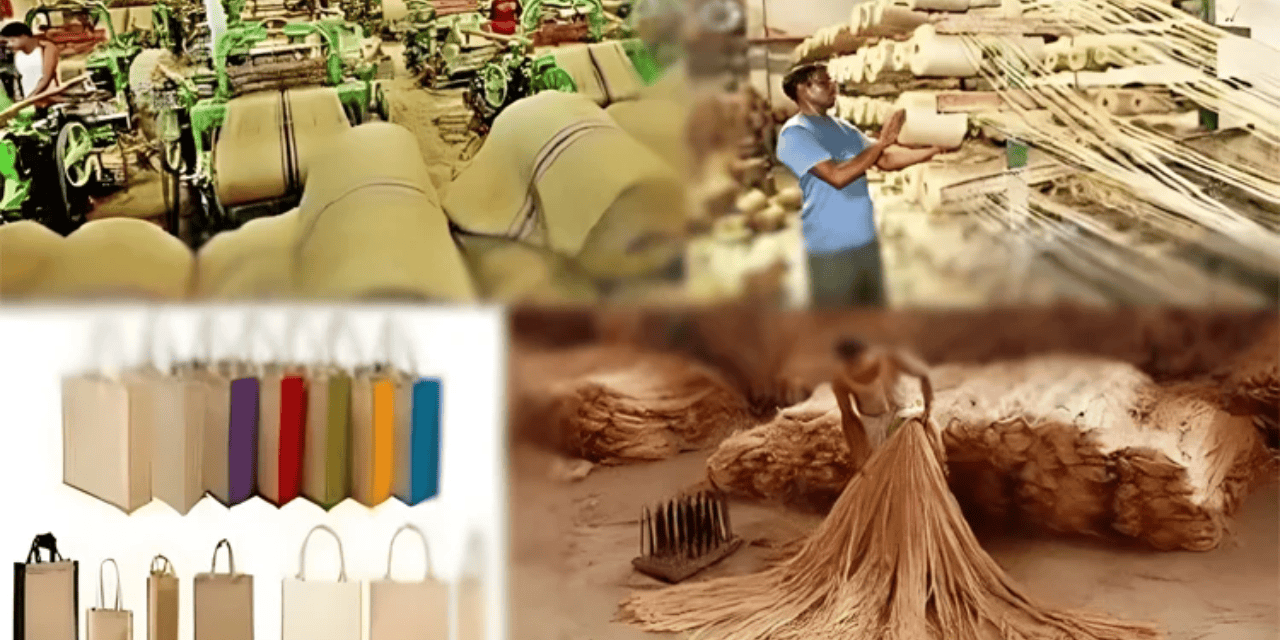
The Ministry of Textiles and Jute has identified around 282 diversified jute products. These include handbags, laptop bags, shoes, jackets, carpets, curtains, cushion covers and shopping bags.
Jute Products Enter Global Markets
Bangladeshi jute products are gaining demand in international markets. The shift is supported by growing interest in biodegradable and eco-friendly alternatives to plastic.
In the 2025–26 fiscal year, Bangladesh exported jute and jute goods worth USD 883.7 million. This represented growth of about 7.8% and marked the highest export value in three years.
Bangladeshi diversified jute products now reach around 138 countries, according to the report.
Jute Sticks Create New Opportunities
The value of jute is also extending to its by-products. Jute sticks can be processed into activated charcoal and carbon powder.
These materials are exported to countries including China. They are used in products such as batteries, cosmetics, carbon paper and face washes.
Bangladesh Sets New Jute Export Targets
The government has finalized the Bangladesh Jute Sector Development Strategy and Action Plan 2026–2031.
The plan aims to double jute sector export earnings to USD 1.64 billion by 2031. It also targets a 70% share for high-value diversified jute products.
The government is also working to restart closed state-owned jute mills. Fourteen of 25 mills have been leased to private operators. Commercial production has started at nine mills.
Focus on Quality and Global Promotion
Bangladesh plans to strengthen international promotion of jute products. A joint working group involving the Ministry of Foreign Affairs and Ministry of Textiles and Jute is working to attract global buyers.
The government also plans to organize an international jute exhibition in Dhaka. Display centres for jute products are also planned at international airports.
Testing laboratories in Dhaka and Khulna are being modernized. The move is aimed at improving product quality and export competitiveness.
Jute Gains Domestic Support
Bangladesh also promotes jute use in its domestic market. The Mandatory Use of Jute Packaging Act, 2010 requires jute packaging for 19 essential commodities.
These include paddy, rice, wheat, fertilizer and sugar.
The growing use of diversified jute products is creating new opportunities for Bangladesh’s jute sector. Continued raw material supply, quality standards and fair prices for farmers will remain important for future growth.