
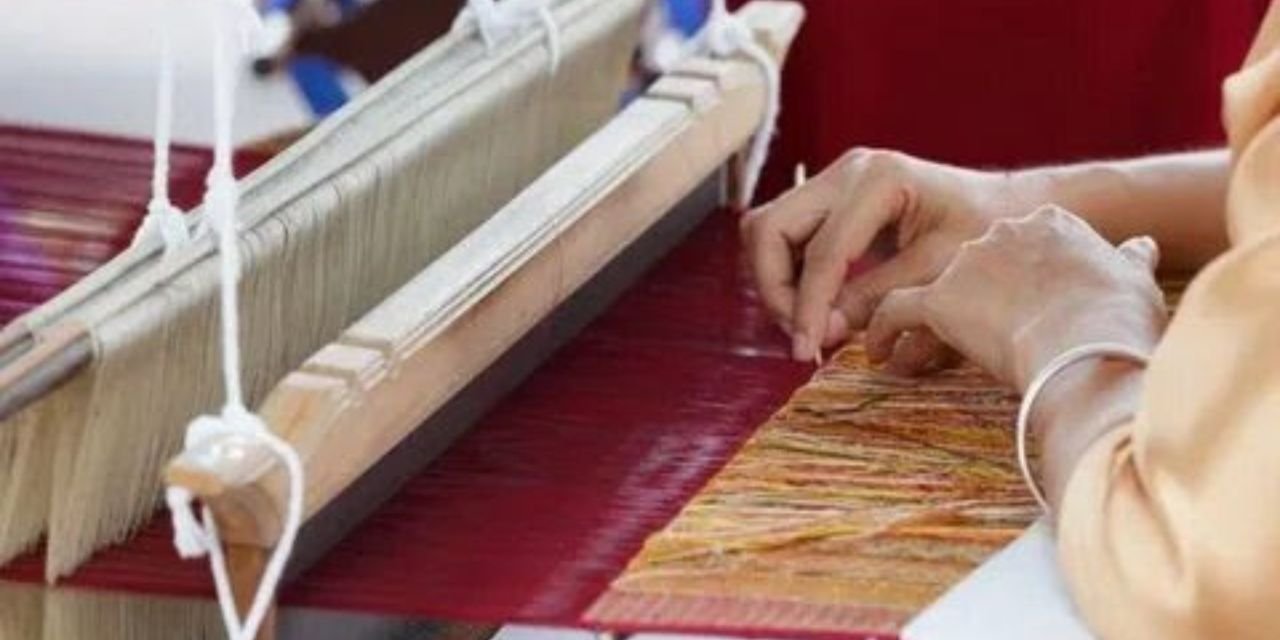
For generations, handloom textiles have represented cultural heritage, skilled craftsmanship, and regional identity across South Asia, Southeast Asia, Africa, and Latin America. Traditionally, however, these products remained confined to local markets, exhibitions, and limited export channels. The rise of digital platforms has dramatically changed this landscape, enabling the Handloom Product Market to connect with global consumers like never before.
Digital Transformation of a Heritage Industry
E-commerce, social media, and digital storytelling have opened new pathways for artisans and cooperatives to showcase handloom products beyond geographical boundaries. Today, handloom sellers are no longer dependent on physical marketplaces alone. Instead, digital channels are creating visibility, demand, and commercial sustainability for traditional crafts on a global scale.
E-Commerce Platforms Connecting Artisans to Global Buyers
Global online marketplaces such as Amazon, Etsy, and specialized craft-focused platforms have emerged as key enablers for handloom sellers. These platforms reduce reliance on intermediaries and allow artisans to reach customers directly across Europe, North America, and East Asia. Features like international shipping, secure digital payments, and multilingual product listings have significantly lowered entry barriers for small and medium handloom enterprises aiming for global expansion.
Social Media Driving Storytelling and Brand Identity
Unlike mass-produced textiles, handloom products thrive on authenticity and narrative. Social media platforms such as Instagram, Pinterest, and Facebook have become powerful tools for visual storytelling—highlighting weaving techniques, artisan communities, and cultural roots. Influencer collaborations and short-form video content have further amplified reach, positioning handloom products as premium, value-driven offerings aligned with ethical and conscious consumption trends.
Digital Payments Enabling Seamless Cross-Border Trade
The adoption of digital payment systems has addressed one of the longstanding challenges faced by handloom exporters. International payment gateways, digital wallets, and fintech solutions now enable faster, safer cross-border transactions. This has improved cash flow and financial inclusion for artisans, empowering rural weaving communities to participate confidently in the global marketplace.
Government and NGO-Led Digital Support Initiatives
Governments and non-profit organizations are playing an important role in strengthening the digital handloom ecosystem. Online catalogues, virtual exhibitions, and digital certification systems help authenticate genuine handloom products and protect artisans from counterfeit competition. In countries such as India, government-backed portals actively promote regional handloom clusters to international buyers, improving transparency and market trust.
Using Data Analytics to Understand Global Consumer Demand
Digital platforms also provide access to valuable consumer insights. Analytics tools help handloom sellers understand buying patterns, seasonal demand, pricing sensitivity, and emerging design trends. By using this data, artisans can adapt product offerings while preserving traditional craftsmanship, striking a balance between innovation and cultural authenticity.
Logistics and Fulfilment Enhancing Market Accessibility
Integrated logistics and fulfilment services offered by digital platforms have further simplified international trade. From warehousing and packaging to customs clearance and last-mile delivery, these solutions reduce operational complexity for handloom sellers. Improved delivery timelines and return policies have increased consumer confidence in purchasing handloom products online.
Sustainability Driving Online Demand
The growing global focus on sustainability and slow fashion has strongly benefited the handloom sector. Digital platforms allow brands to communicate eco-friendly attributes such as natural dyes, low energy consumption, and biodegradable materials. As ethical purchasing becomes mainstream, handloom products are increasingly discovered and preferred through online channels.
Challenges and the Road Ahead
Despite rapid progress, challenges such as limited digital literacy, inconsistent internet access, and branding gaps remain for many artisans. However, training programs, mobile-first platforms, and AI-assisted design and marketing tools are gradually addressing these issues. As digital infrastructure continues to improve, broader participation in global handloom trade is expected.
A Digitally Connected Future for Handloom
Digital platforms have fundamentally reshaped how handloom products are produced, marketed, and consumed worldwide. What was once a localized craft sector is now becoming an integral part of the global creative economy. With continued investment in technology, logistics, and digital education, the Handloom Product Market is set for sustained international growth—connecting artisans, consumers, and cultures across borders.