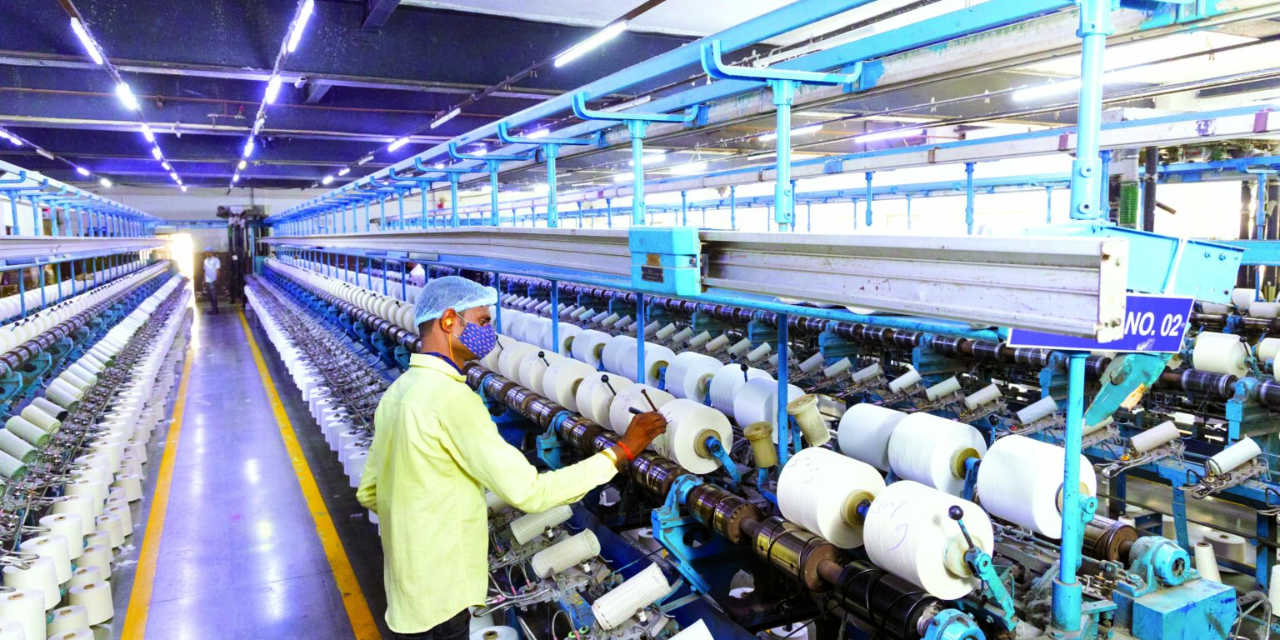
India is becoming a major textile hub. The country is also creating new chances for U.S. textile companies.
These chances cover manufacturing, technical textiles, green production and supply chains.
A new trade deal between the United States and India could help boost trade. The deal was announced in February.
It aims to lower tariffs and improve market access. It also aims to build closer ties between the two countries.
For textile firms, India offers many key benefits. These include large-scale production, raw materials and strong supply chains.
These benefits are becoming more important as brands rethink where they make their products.
India Has a Strong Textile Base
India has one of the largest textile supply chains in the world.
The country has strong skills across the full textile process. This includes fibres, spinning, weaving, dyeing and finished goods.
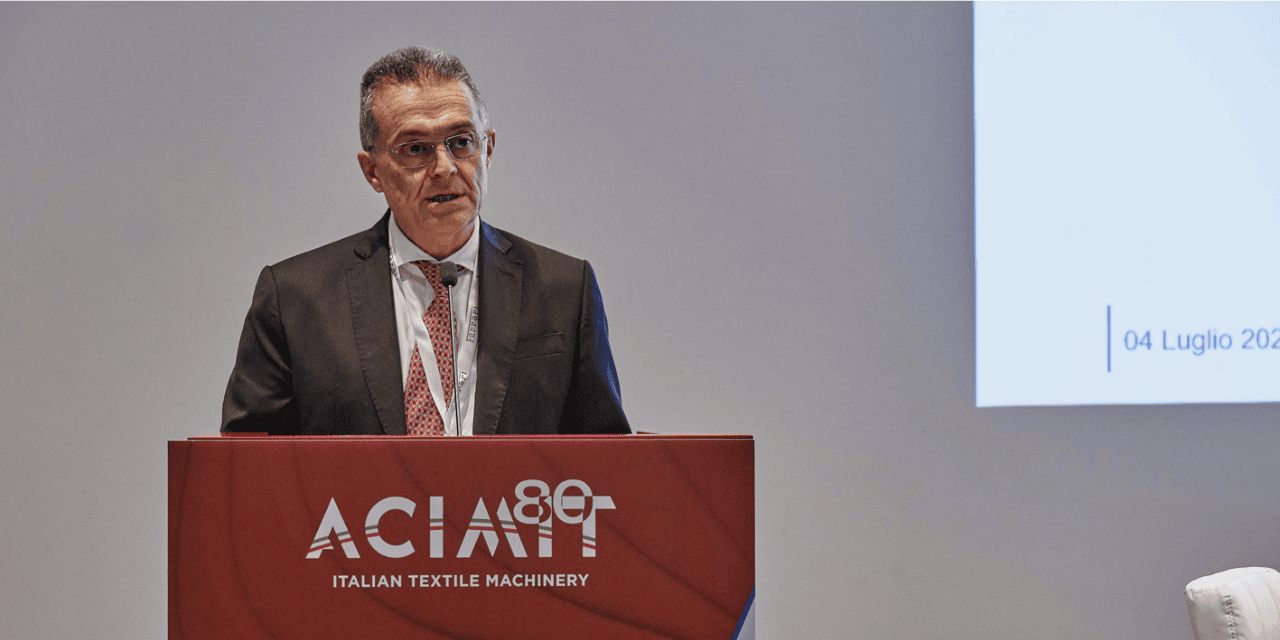
Sidharth Agarwal is a director at Mumbai-based Creative Group. He says India’s supply chain is a key strength.
“India offers something very few countries can offer today: scale, diversification and supply chain depth,” Agarwal says.
India is the world’s largest producer of jute.
It is also one of the top producers of cotton, silk and synthetic fibres.
This wide supply of raw materials helps support local textile firms. It can also lower supply risks for global brands.
Creative Group has more than 20 factories. The company is 52 years old.
It employs more than 16,000 people.
The company makes apparel, home textiles, outdoor goods and yarn.
It has also seen strong growth in its U.S. retail business since the COVID-19 pandemic.
Technical Textiles Have Strong Growth Potential
Technical textiles are a fast-growing part of India’s textile market.
The market was worth about $28 billion in 2024.
Demand is growing in many areas. These include roads, health care, transport and defence.
The Indian government is also backing this sector.
One key effort is the National Technical Textiles Mission.
The programme supports research, new standards and market growth.
It has an investment of about $180 million.
This could create new chances for U.S. firms.
Companies that make advanced fabrics and textile products may find new partners in India.
Synthetic Fibres Are Also Growing
Synthetic fibres are another key growth area in India.
The government’s Production Linked Incentive, or PLI, scheme supports higher output.
The scheme covers some fabrics, clothing and technical textile products.
More than $1 billion in incentives is linked to the programme.
The scheme gives rewards based on higher production.
Its goal is to help build large and competitive textile firms.
Invest India representatives Rhea Sampat and Akshita Wadhwa say this could help U.S. sportswear brands.
Synthetic fabrics are widely used in sportswear and athleisure.
Higher fibre output in India could lead to more supply deals.
It could also create new manufacturing links between U.S. and Indian firms.
Textile Hubs Across India
India has many textile hubs.
Each region has its own area of strength.
Surat is well known for synthetic textiles.
Tiruppur is a major hub for knitwear.
Ludhiana has strong skills in wool and related goods.
These hubs give global firms access to skilled workers and local suppliers.
They can also help firms choose the right place to make their products.
For U.S. firms entering India, this local skill base can be a major benefit.
Partnerships Can Go Beyond Sourcing
U.S. firms do not have to use only basic buyer-seller deals.
They can also look at joint ventures and long-term supply deals.
Co-manufacturing is another option.
These models let U.S. firms use India’s factories and supply chains.
U.S. firms can also bring their own skills to the table.
These may include product design, tech, branding and product growth.
Tech firms may also look at licensing deals.
Technology transfer can be another area for growth.
Research is also a good option.
U.S. firms can work with Indian colleges and research groups. They can also work with trade groups.
Such work can help create new textile products and methods.
India Supports Textile Investment
India has several plans to support textile investment.
The textile sector allows 100% foreign direct investment through the automatic route.
In most cases, this means firms do not need prior government approval.
Another key plan is the PM Mega Integrated Textile Regions and Apparel Parks Scheme.
The plan aims to build large textile parks.
These parks can offer shared roads, power, water and other services.
They can also offer better links to ports and other forms of transport.
This may help firms lower costs and get goods to market faster.
Invest India can also help foreign firms.
It can help them find sites, learn about incentives and build supply chain links.
Sustainability Creates New Chances
Sustainability is another area of growth.
U.S. brands face more rules on climate and social issues.
As a result, brands need more data on where and how goods are made.
They also need