
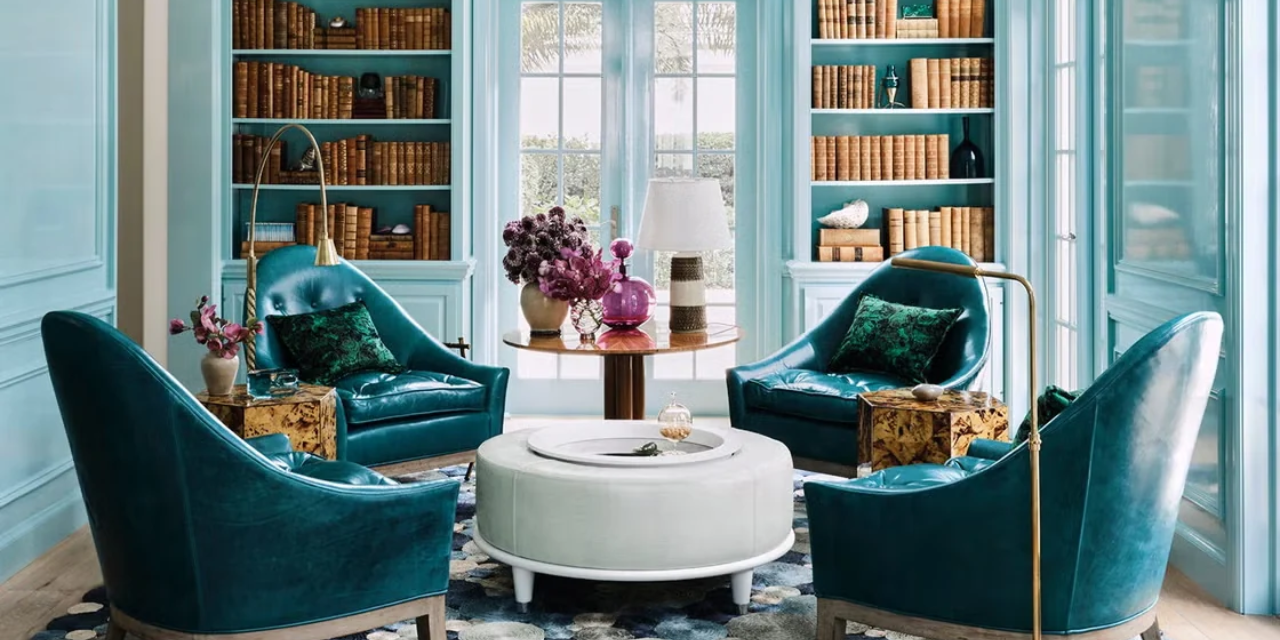
Timeless home design choices continue to influence interiors as homeowners look for lasting style, comfort and functionality. From antique wooden furniture and golden mirrors to natural materials and classic textiles, designers highlight 10 elements that can maintain their appeal across changing trends.
While following interior design trends can refresh a space, constantly changing décor can become expensive and impractical. Instead, investing in well-made furniture, versatile materials and classic decorative details can create interiors that remain relevant for years.
Interior stylist and set designer Abby Pendergrast explains that timeless design combines beauty, functionality and personal meaning. These elements help create spaces that feel comfortable and welcoming.
10 Timeless Home Design Choices for Lasting Interiors
1. Antique Wooden Chests
Antique wooden chests and dressers bring history, warmth and character to interiors. Their craftsmanship and durability make them valuable furniture pieces that can last for generations.
Designers also appreciate their versatility. These chests can provide storage, serve as decorative surfaces and move easily between different rooms.
2. Golden Mirrors
Golden mirrors add elegance and visual interest to different interior styles. They complement traditional spaces while introducing a decorative contrast in contemporary settings.
Giltwood mirrors, particularly those with simple shapes and understated detailing, can work beautifully in entrance halls, dining rooms, bedrooms and living areas.
3. Bookshelves
Bookshelves offer both practical storage and opportunities for personal expression. They can display books, artwork, photographs and decorative accessories.
As personal interests evolve, homeowners can rearrange their shelves to reflect changing tastes. Built-in bookshelves also add character and create an attractive focal point.
4. Natural Materials
Wood and stone remain popular choices because of their durability, texture and natural appeal. Wooden flooring, furniture and ceiling beams can add warmth to interiors.
Similarly, stone surfaces offer durability and understated elegance. Both materials develop character over time and complement contemporary, traditional and rustic design styles.
5. Marble Mixed with Wood
Combining marble and wood creates a balance between natural warmth and refined elegance. This pairing works across different areas of the home.
For example, homeowners can introduce wooden dining chairs with marble tables or choose coffee tables and consoles with marble tops. The combination creates visual contrast without overwhelming the space.
6. Leather Armchairs
Leather armchairs bring texture, comfort and character to living spaces. As leather ages, its surface develops a distinctive patina that adds to its appeal.
These chairs also complement different design approaches, including traditional and mid-century interiors. Their versatility makes them a lasting furniture investment.
7. Paint Colours Inspired by Nature
Nature-inspired colours such as soft blue, calming green, warm tan and white help create peaceful interiors.
These shades work well as neutral backgrounds and allow homeowners to update accessories without changing the entire colour scheme. They also bring a relaxed and balanced atmosphere to living spaces.
8. Wooden Tables
Wooden tables remain practical and versatile furniture choices. Whether used as dining tables, coffee tables or side tables, they provide a strong foundation for different interior styles.
Antique and solid wood designs can also introduce natural texture while complementing lighter furnishings and decorative accessories.
9. Stripes in Textiles and Wallpaper
Striped patterns offer a classic way to introduce structure and visual interest. They can be used across curtains, rugs, cushions and wallpaper.
Depending on the colour and scale, stripes can create either a subtle or bold decorative effect. Their simple pattern also makes them easy to combine with other prints.
10. Architectural Details
Architectural features such as crown moulding, wainscoting and built-in elements add depth and character to interiors.
These details create a more finished appearance without requiring extensive decorative changes. They also complement both traditional and contemporary spaces.