
The Ink Efficiency Gap: Why Indian Textile Printers Should Rethink Their Ink Strategy
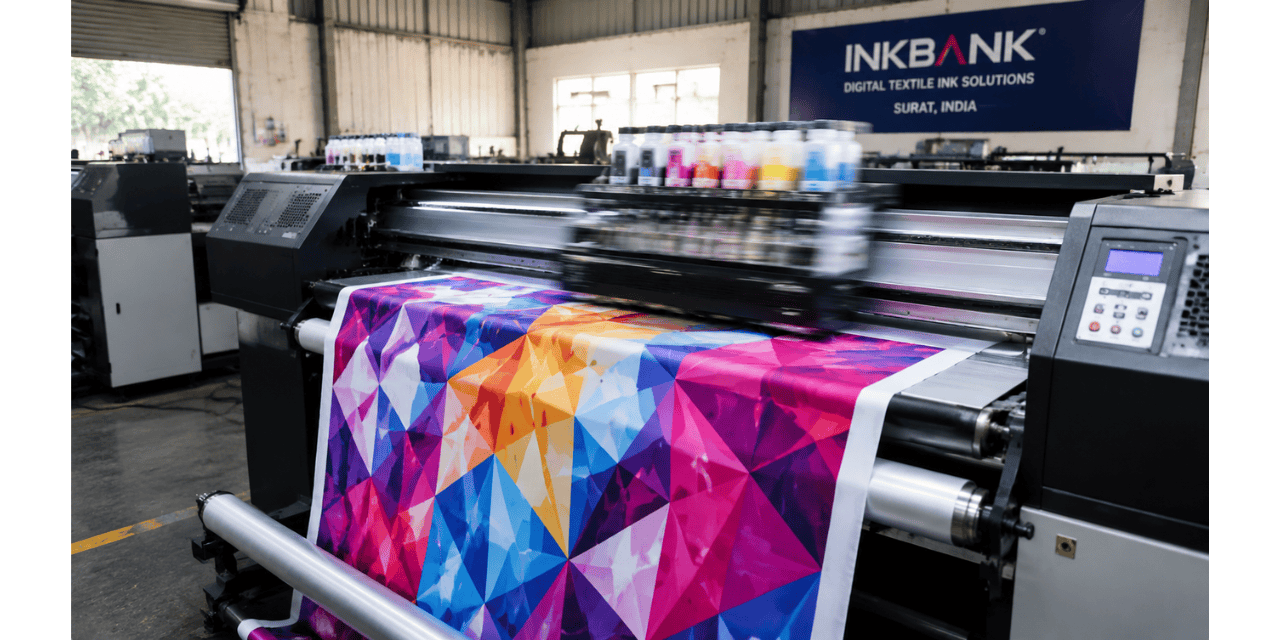
India’s digital textile printing industry is expanding rapidly, driven by shorter production cycles, increasing customization, and growing export opportunities. While investments in faster printers and advanced printheads continue to dominate industry discussions, one critical factor remains significantly underappreciated—ink efficiency.
Ink accounts for nearly 30–45% of the per-metre operating cost in digital textile printing, making it one of the largest recurring expenses for print houses. Yet many manufacturers continue to evaluate ink based primarily on its purchase price per litre rather than its overall impact on productivity, logistics, sustainability, and compliance.
Digital Printing Growth Creates New Challenges
India’s digital textile printing segment is witnessing robust growth as brands increasingly shift away from conventional rotary printing to meet the demands of fast fashion, small production runs, and personalised designs.
Alongside this transformation, exporters are facing stricter sustainability regulations, particularly in Europe. Requirements such as Digital Product Passports (DPPs), Extended Producer Responsibility (EPR), and chemical traceability standards are making certified printing materials essential for accessing global markets.
At the same time, water scarcity and tighter environmental regulations across India’s major textile hubs are encouraging manufacturers to adopt more resource-efficient production methods.
Why Ink Concentration Matters
Traditional sublimation inks contain a significant proportion of carrier fluids, with only a portion consisting of active dye pigments responsible for colour transfer.
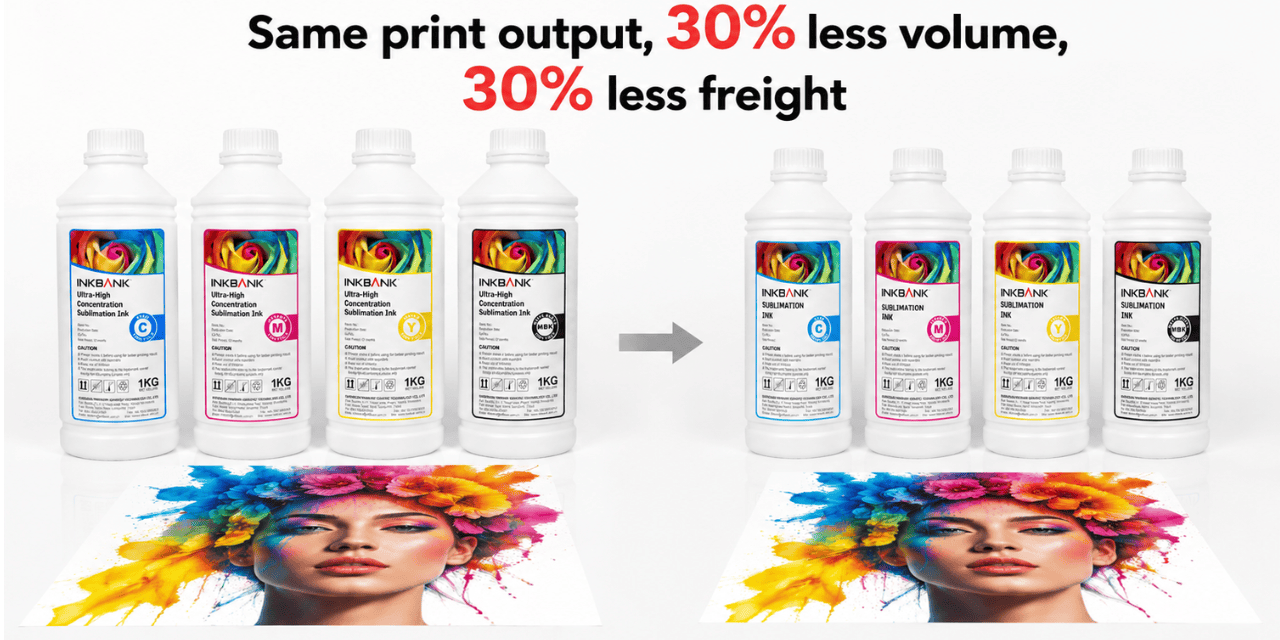
Ultra-high concentration sublimation inks increase the amount of colourant in every litre while maintaining stable jetting performance. This allows printers to produce the same output using substantially less ink volume.
For printing businesses, this translates into several operational advantages:
- Lower ink consumption for the same production output.
- Reduced freight and transportation costs.
- Smaller warehouse storage requirements.
- Lower packaging waste.
- Reduced carbon emissions throughout the supply chain.
Unlike machinery upgrades, switching to higher-concentration inks requires no capital investment or production downtime, allowing businesses to realize savings immediately after implementation.
Improving Sustainability Without Additional Investment
Digital textile printing already consumes significantly less water than conventional screen printing. Higher-concentration inks further improve sustainability by reducing the overall volume of ink manufactured, transported, stored, and disposed of throughout the production cycle.
For textile manufacturers operating on narrow profit margins, reducing logistics costs while simultaneously lowering environmental impact represents a practical approach to sustainable manufacturing.
Compliance Becomes a Competitive Advantage
As international buyers place greater emphasis on responsible sourcing, certified inks are becoming increasingly important for exporters.
Manufacturers supplying premium global brands are increasingly expected to use inks certified under internationally recognised standards such as:
- OEKO-TEX® ECO PASSPORT for chemical safety.
- ZDHC MRSL Level 3 for restricted substance compliance.
- GOTS for organic textile production.
These certifications help simplify buyer audits, strengthen supply-chain transparency, and improve access to export markets with stringent environmental requirements.
Looking Beyond Purchase Price
Industry experts increasingly recommend evaluating inks based on total cost of ownership rather than price per litre alone.
Key considerations include:
- Printhead compatibility under real production conditions.
- Batch-to-batch colour consistency.
- Ink consumption per square metre.
- Storage and logistics costs.
- Environmental certifications.
- Long-term operational efficiency.
Side-by-side production trials using identical designs remain one of the most reliable methods for measuring actual cost savings.
The Future of Digital Textile Printing
As sustainability regulations become stricter and customers demand faster turnaround with consistent quality, ink technology is emerging as an important competitive differentiator.
Higher-concentration sublimation inks demonstrate that operational efficiency and environmental responsibility do not have to be competing objectives. By reducing material consumption, lowering logistics costs, and supporting global compliance standards, advanced ink formulations can help textile printers improve profitability while strengthening their sustainability credentials.
For India’s rapidly growing digital textile printing industry, the future may depend not only on smarter machines but also on smarter chemistry.